

Offer
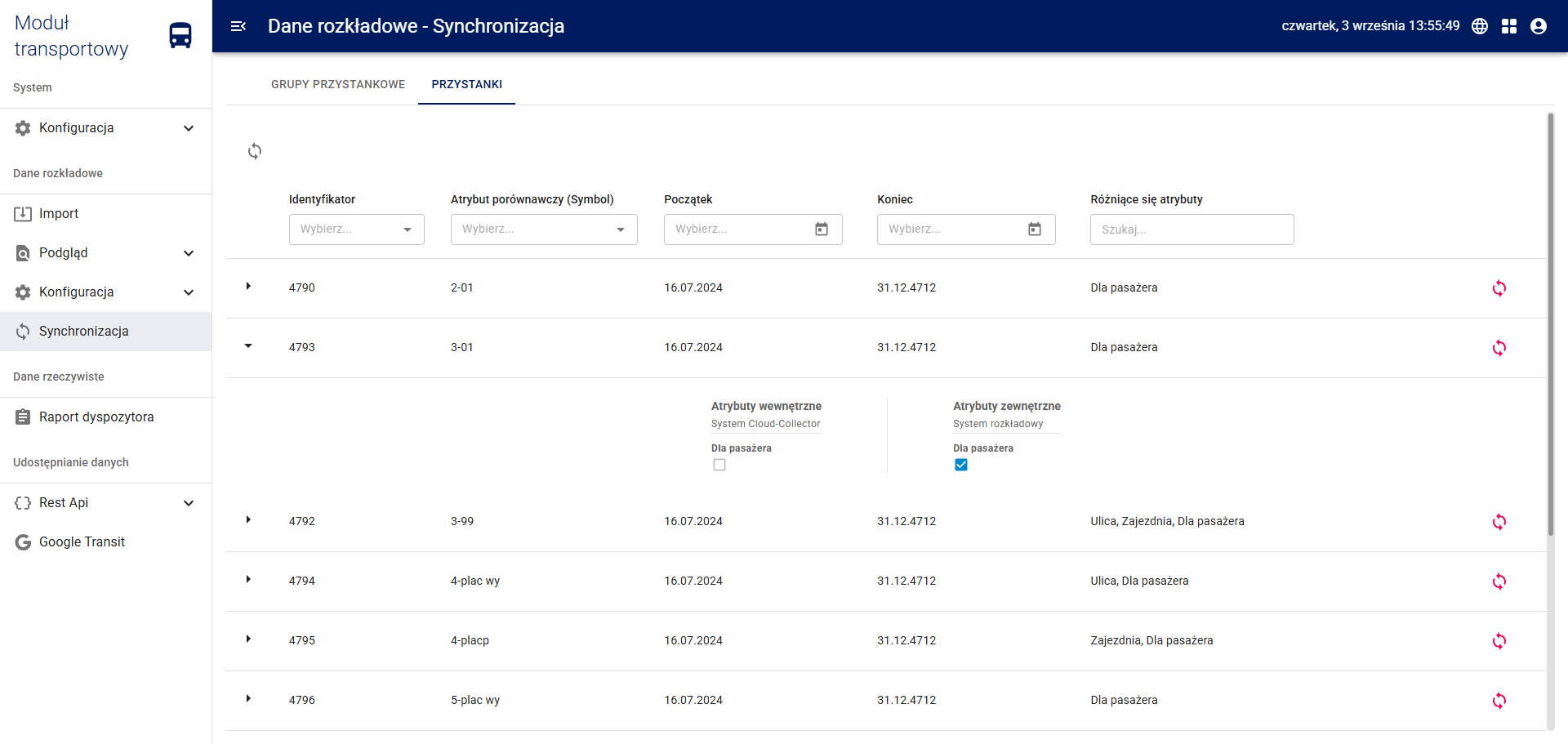
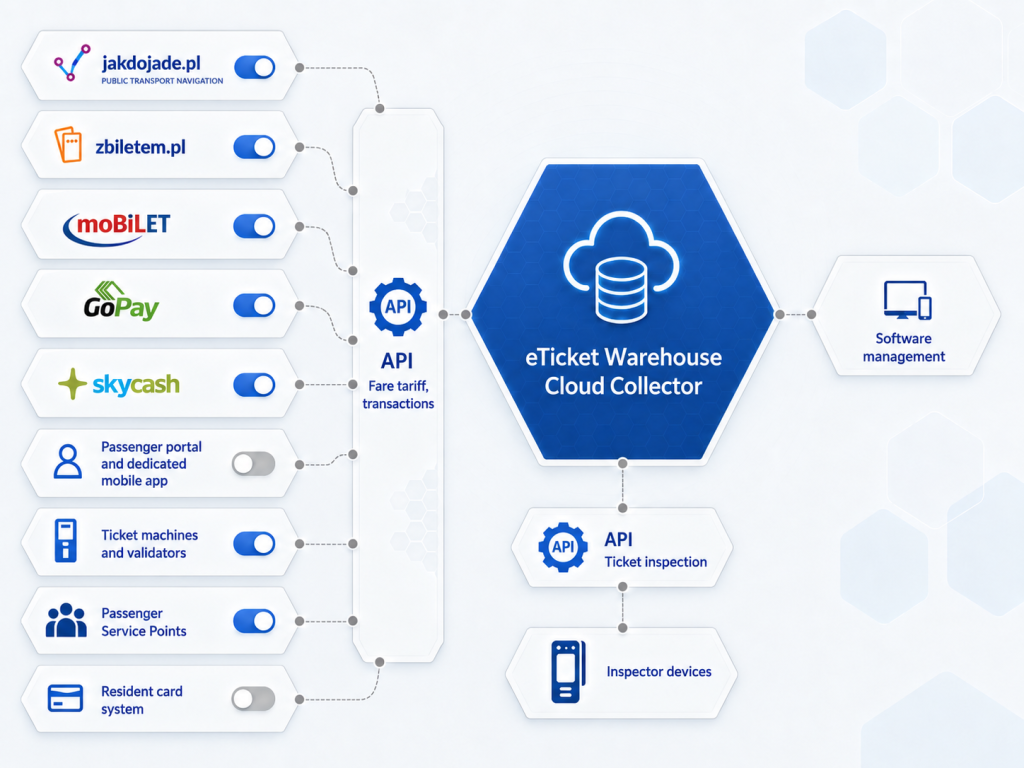
One of the systems designed for public transport authorities and operators is the Cloud Collector (CC) Data Warehouse. CC software was designed as a modular solution whose individual components can be enabled and implemented according to the specific needs and requirements of each project.
The system, in various configurations, is currently in operation in Kraków, Bielsko-Biała, Szczecin, Grudziądz, Ełk, Zakopane, Żywiec, and Wolsztyn.
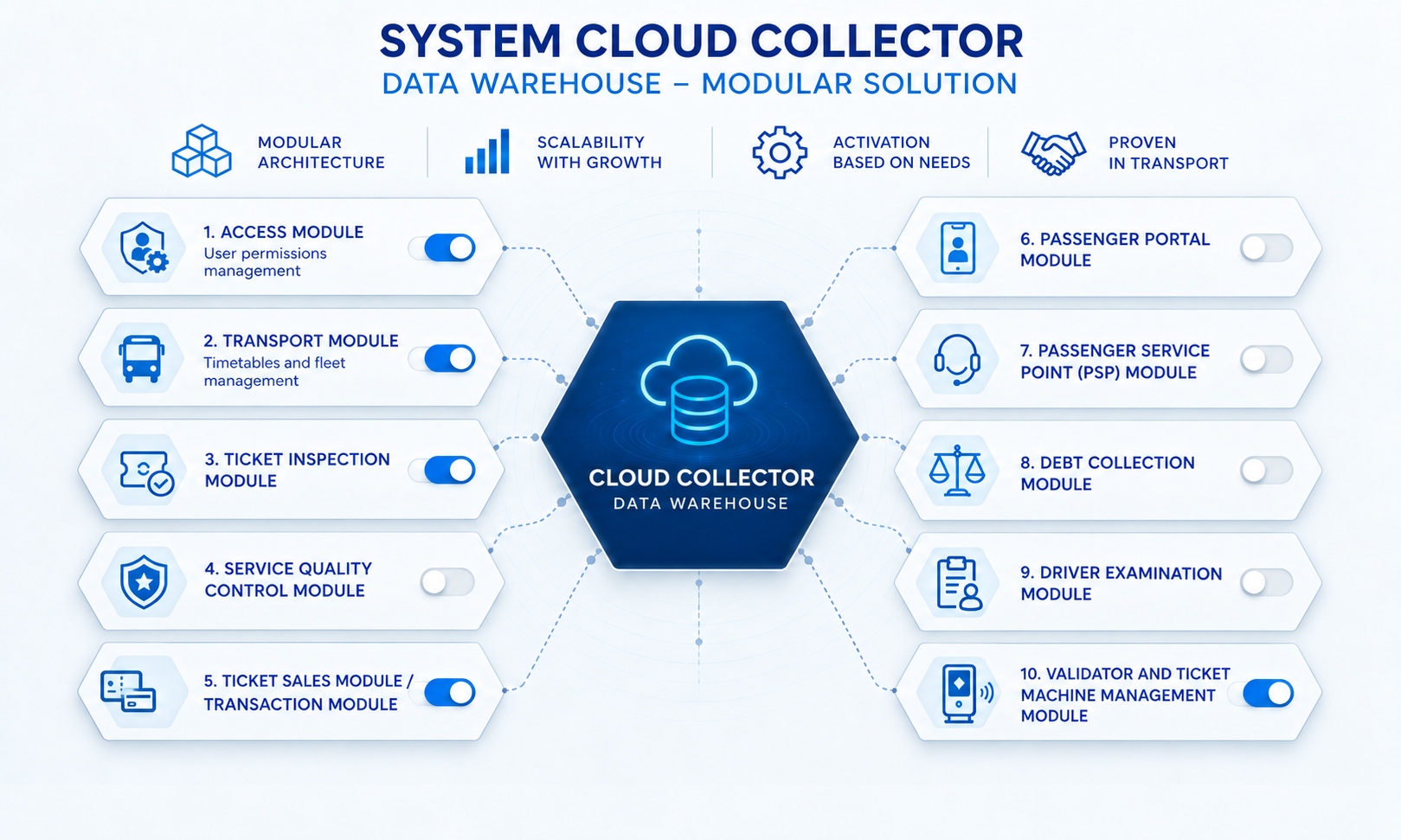
Cloud Collector is a solution that supports ticket sales across multiple channels, including external ones, effective ticket inspection, timetable and fleet management, the issuance of payment notices and high-volume debt collection through the WindyFlow module, verification of service quality in the relationship between transport authorities and operators, including the condition of vehicles and stop infrastructure, as well as the management of driver and tram driver records and their qualifications, including examinations.
The Cloud Collector system consists of the following modules:
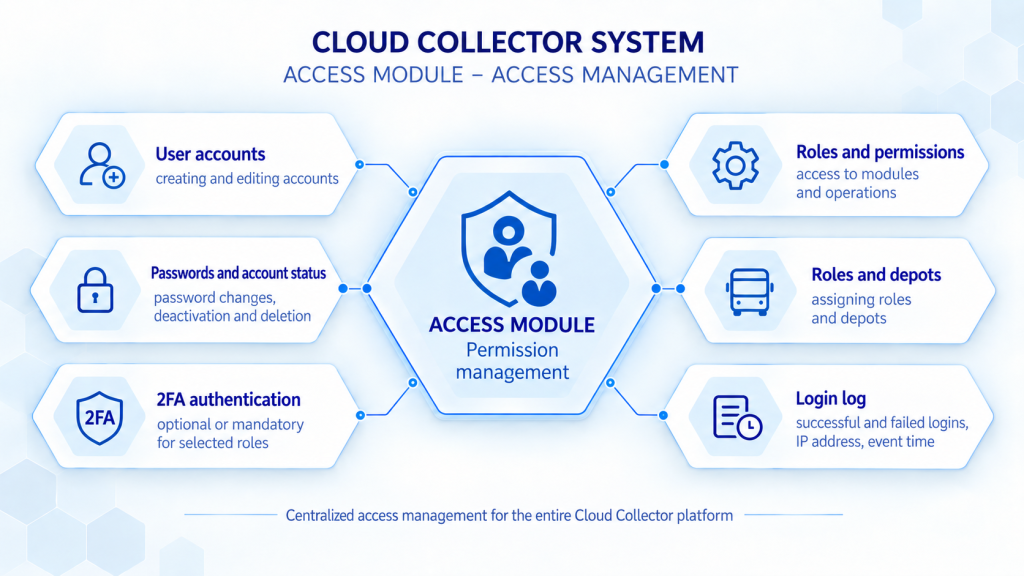
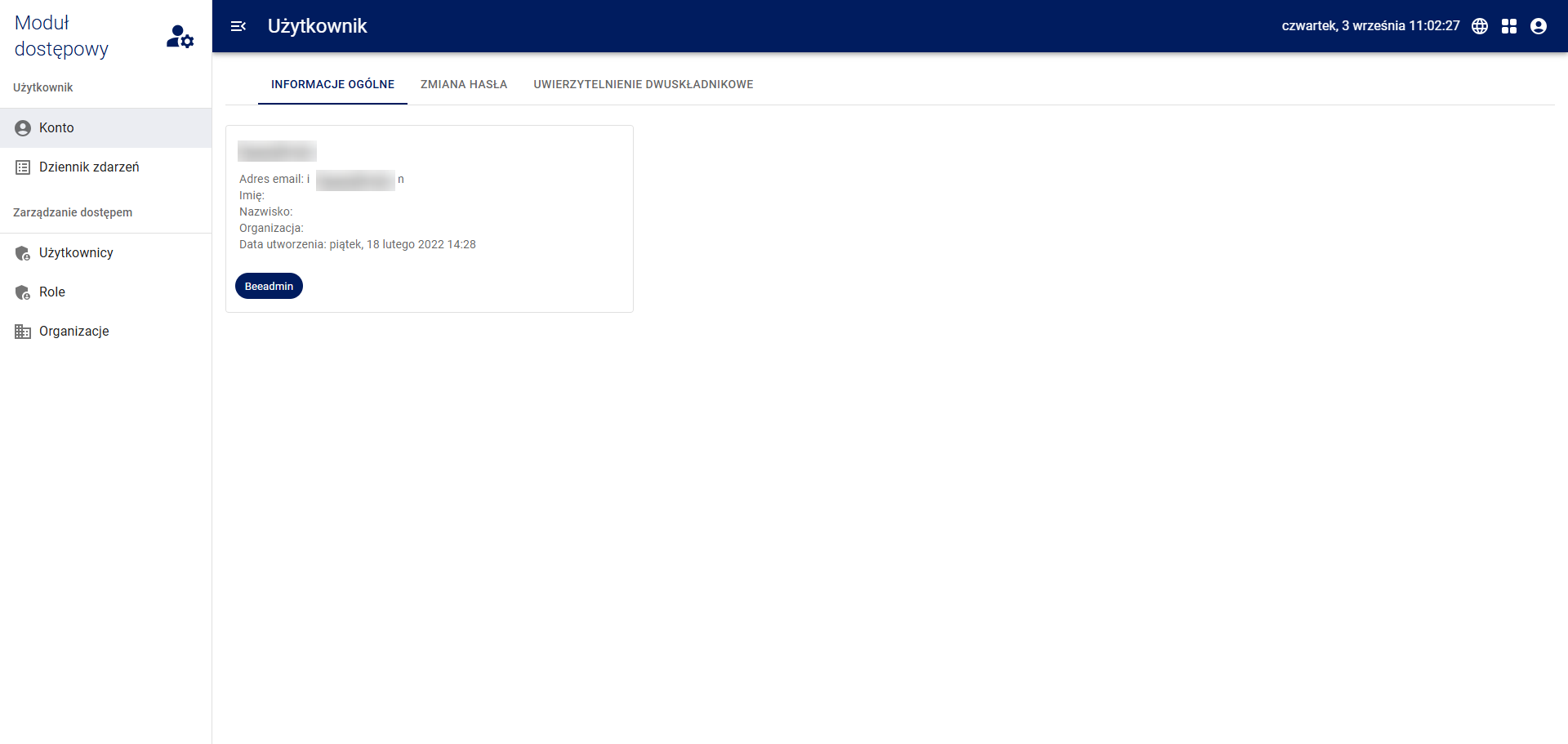
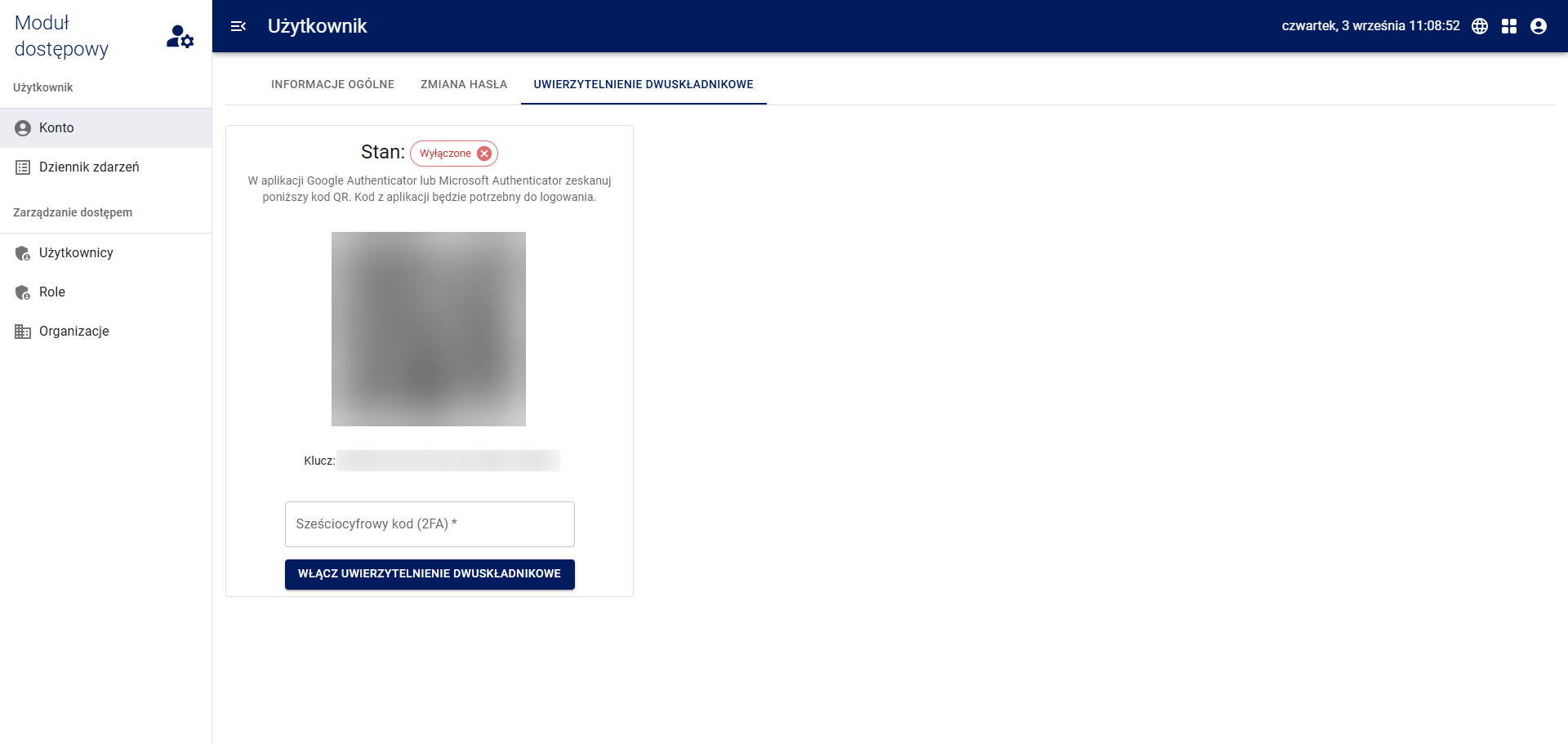
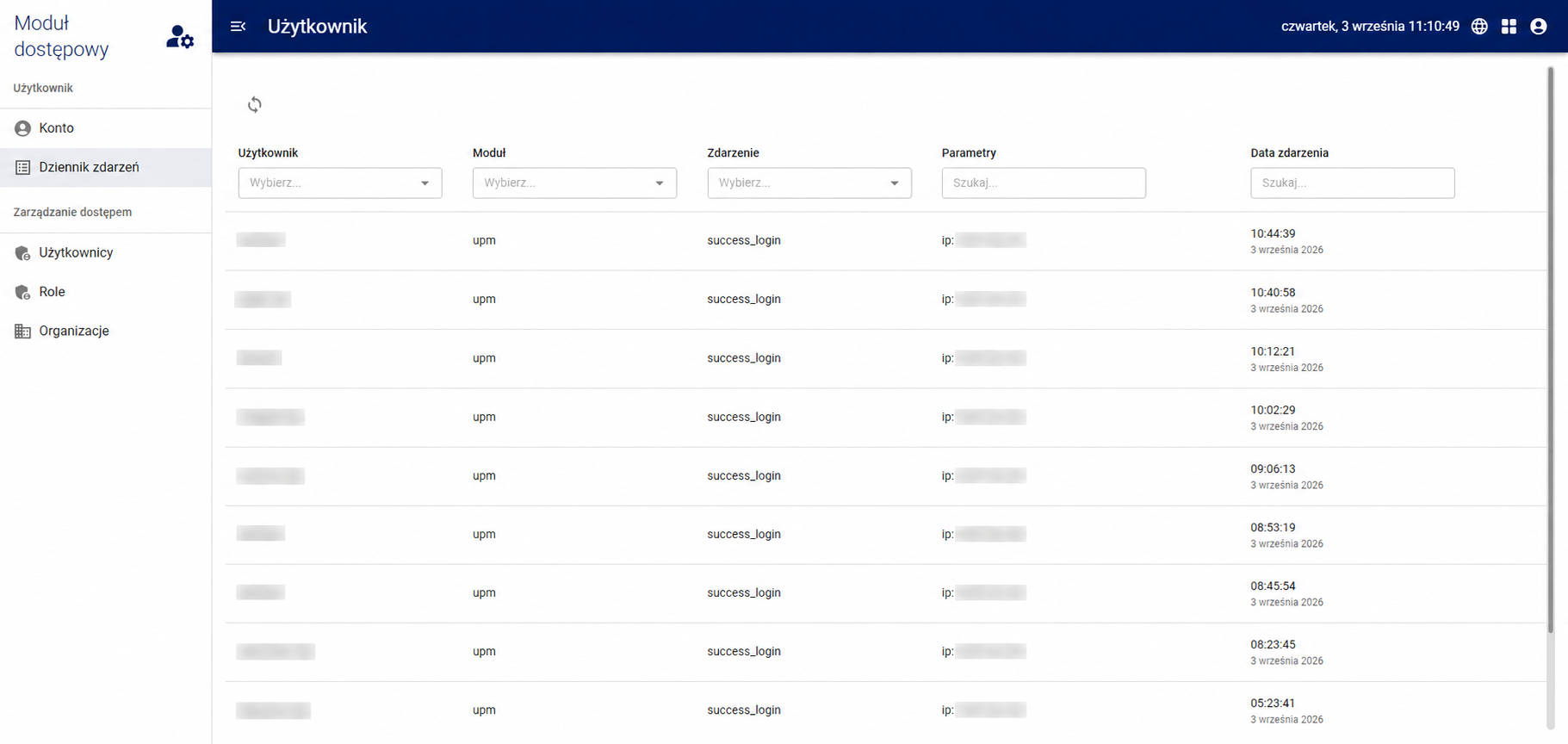
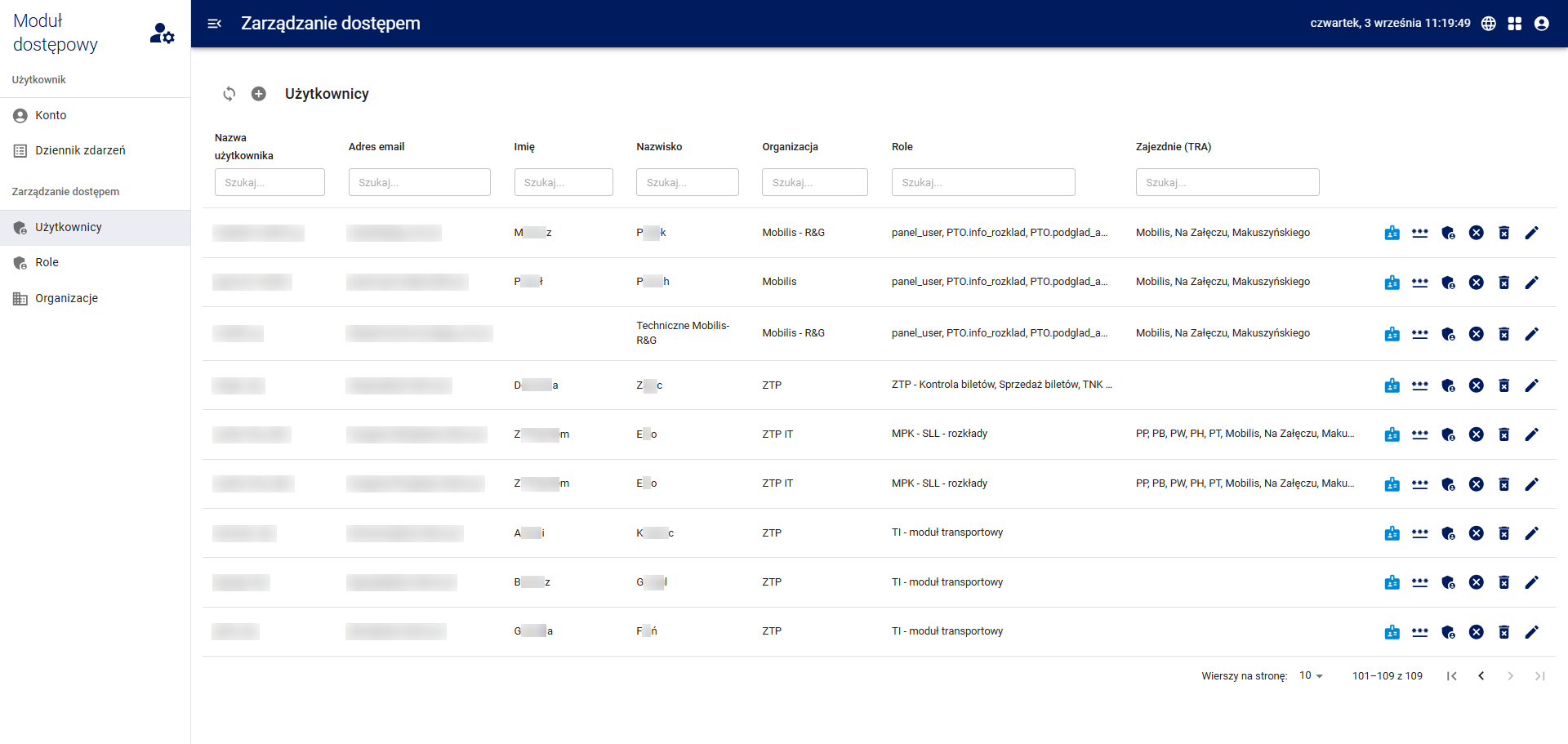
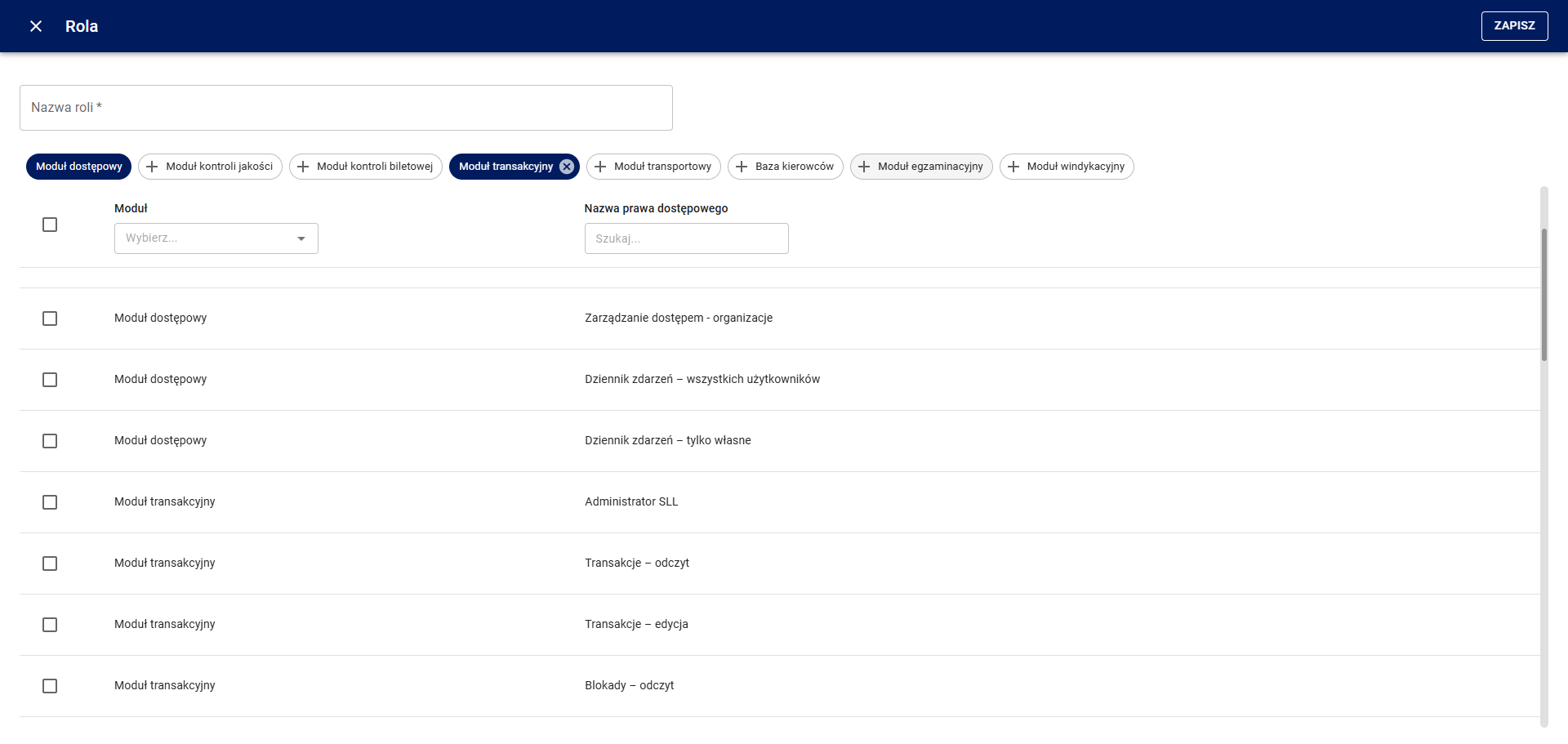
- Access Module – administration of users of the Cloud Collector e-Data Warehouse system.
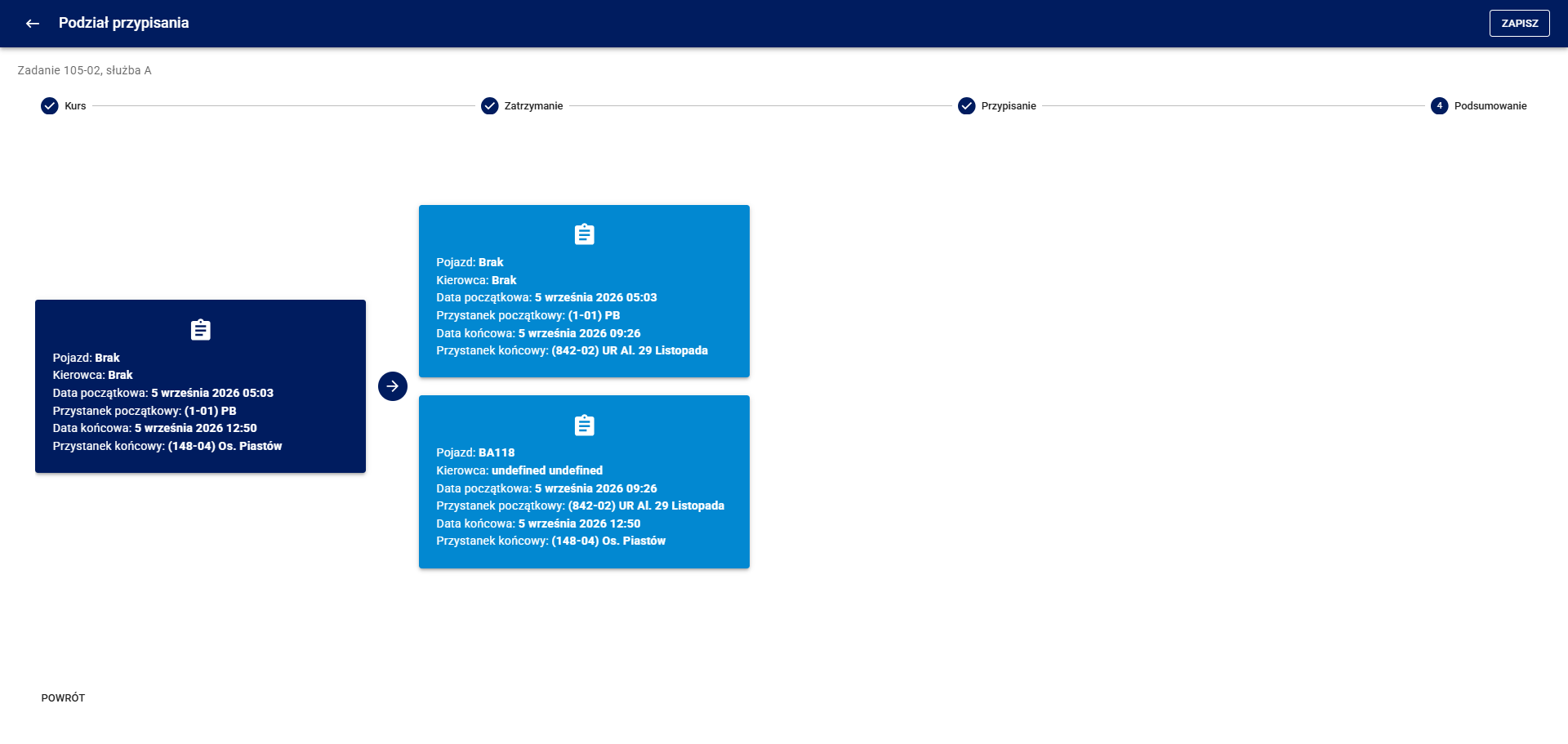
- Transport Module – timetable management, fleet management, and departure forecasting.
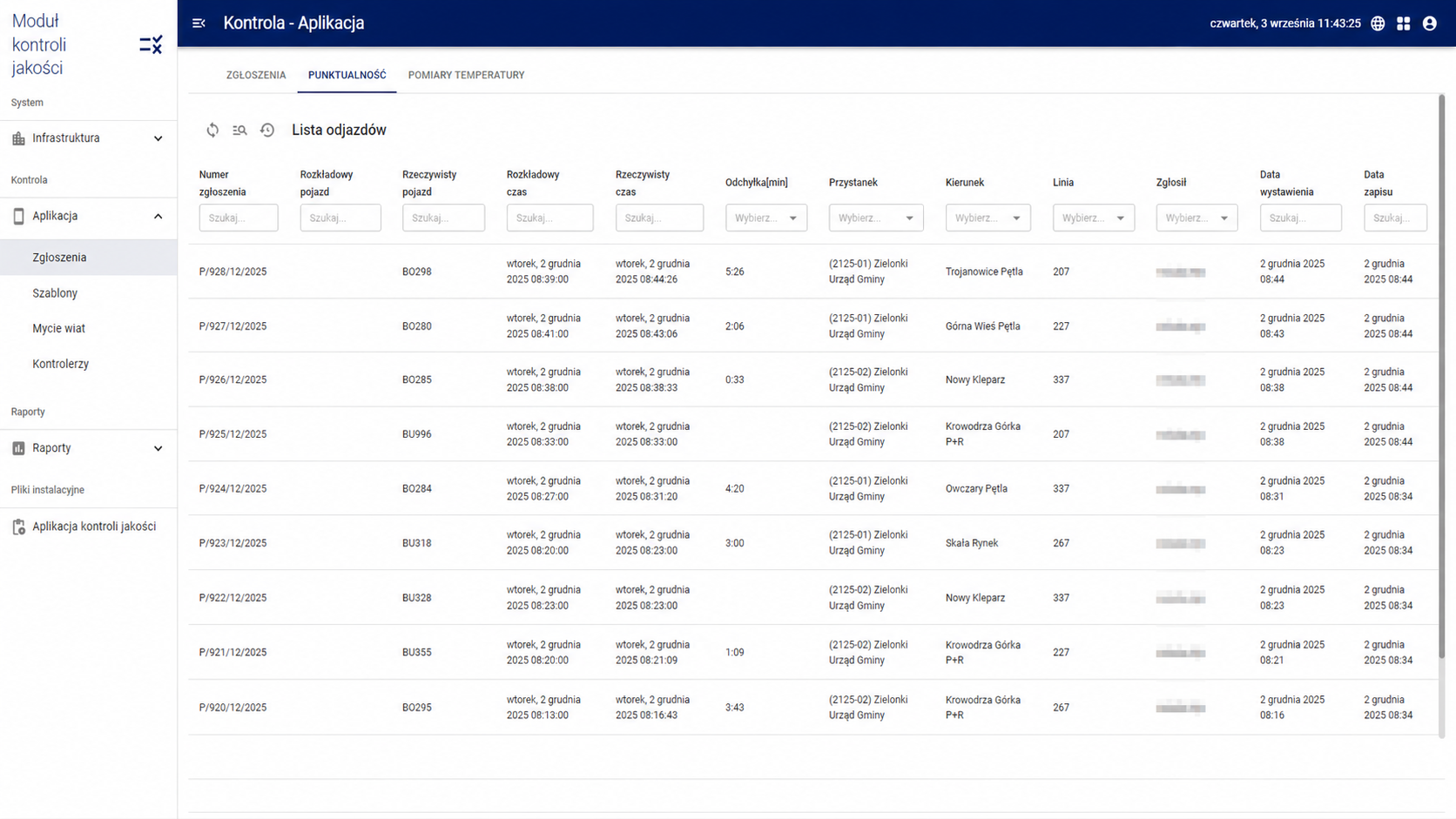
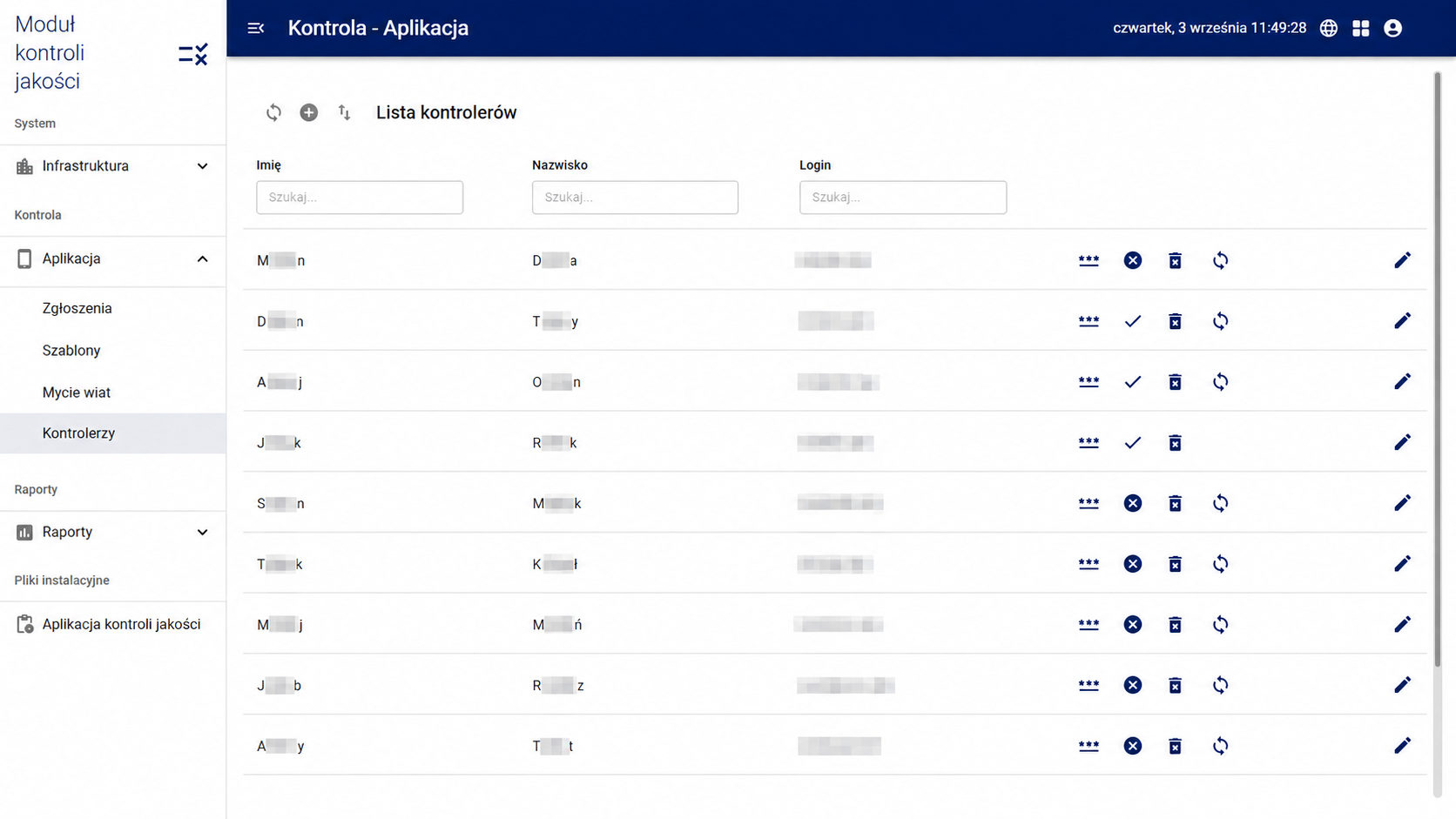
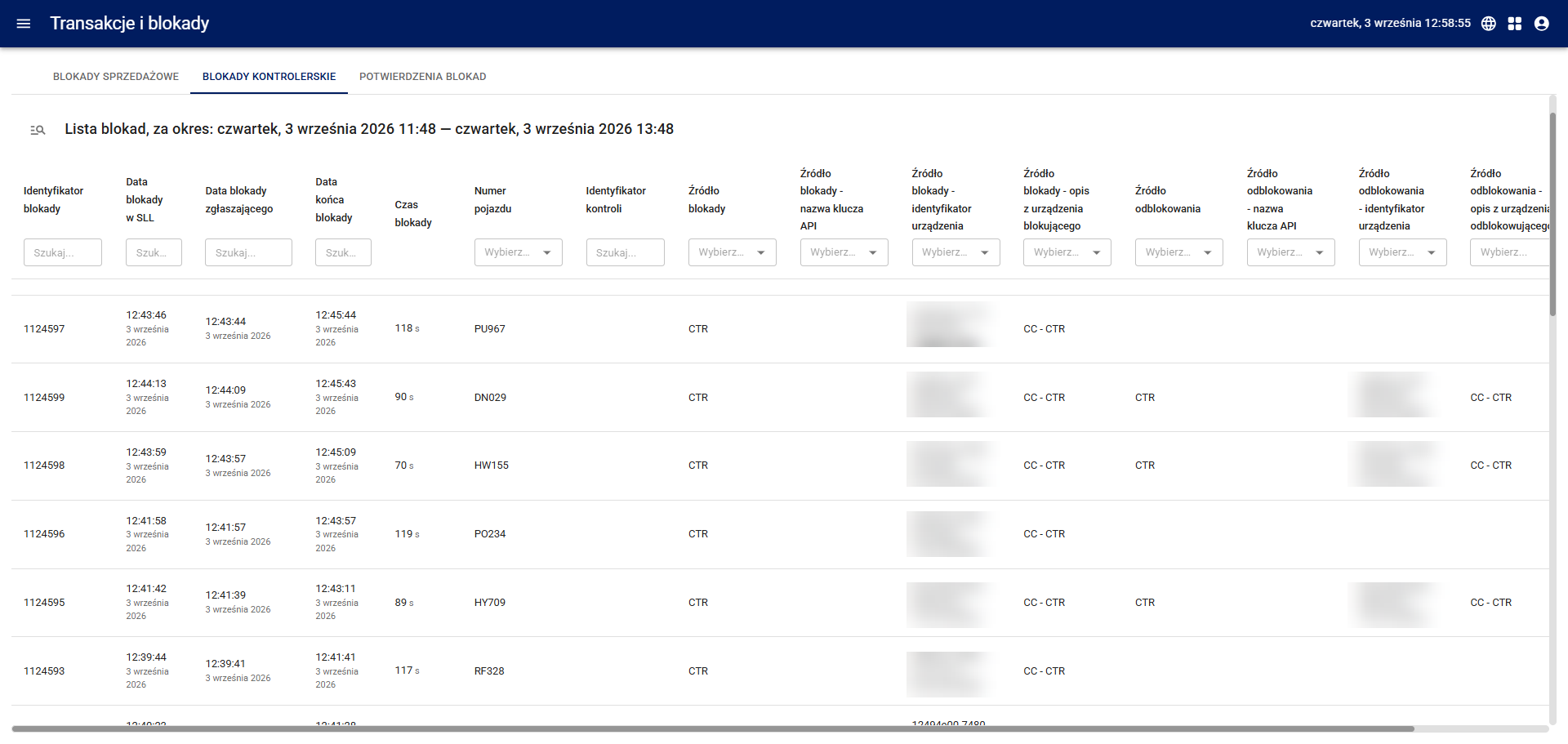
- Ticket Inspection Module – organization and management of resources related to ticket inspections in public transport, as well as processing data from a dedicated mobile application.
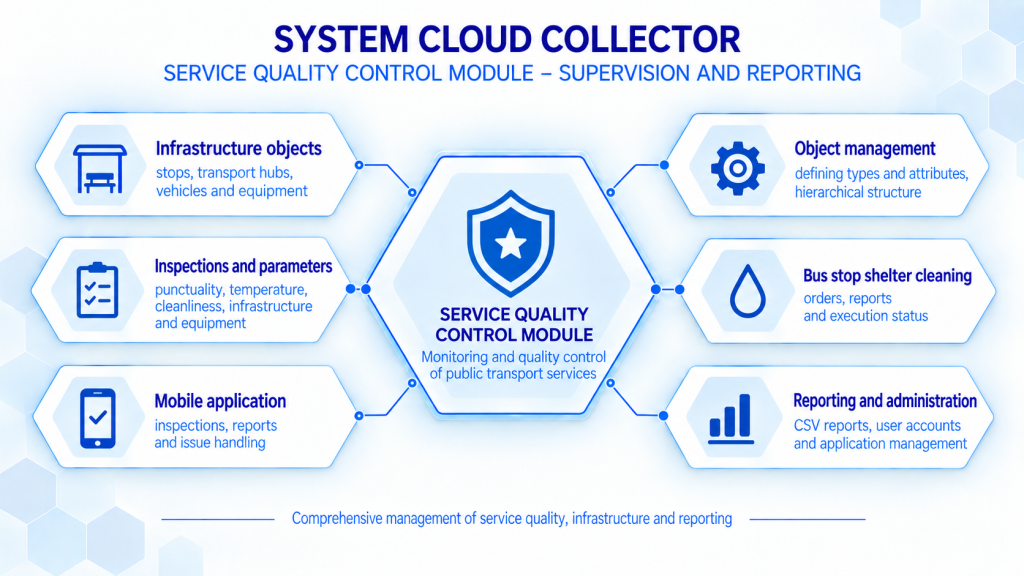
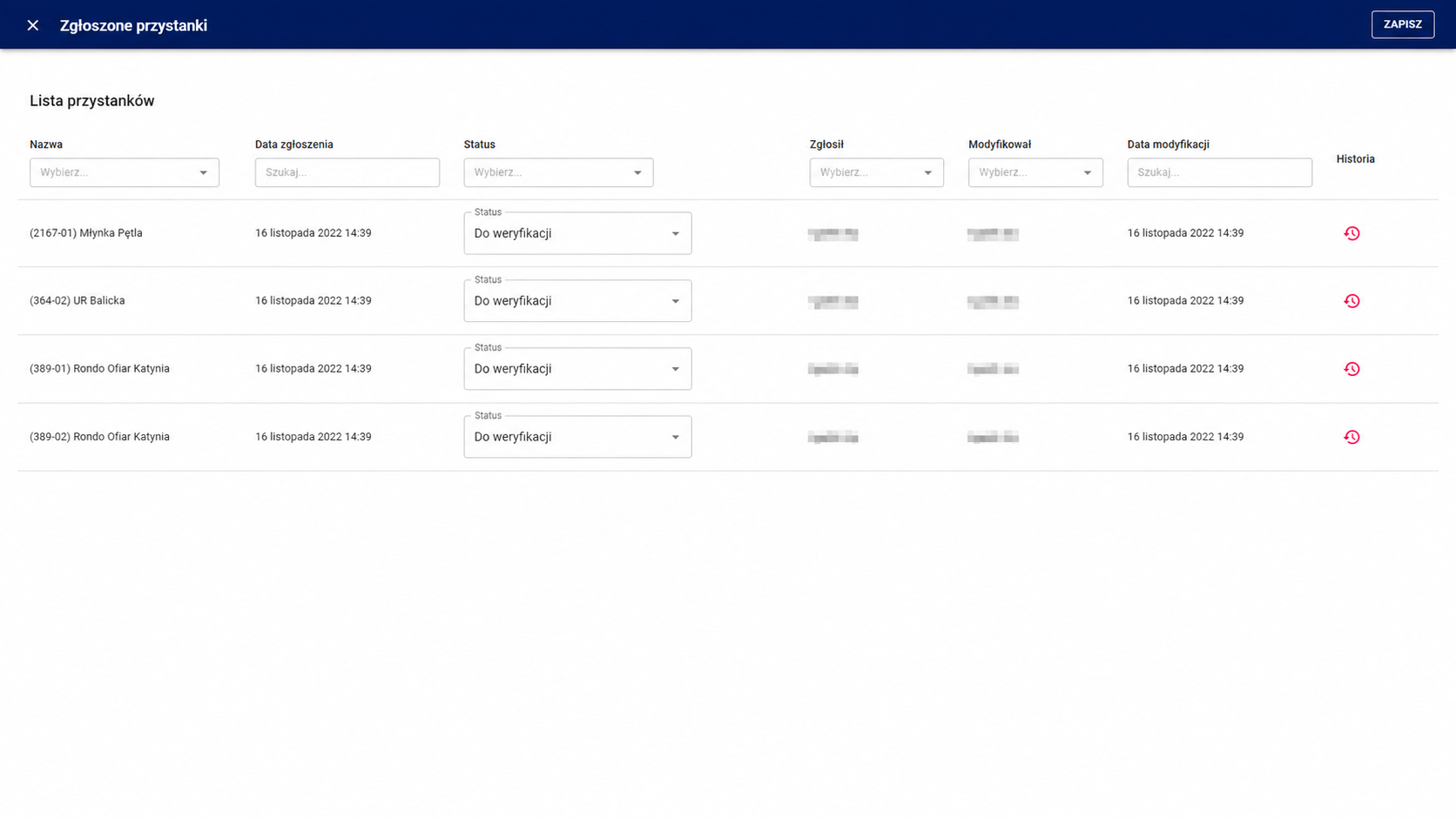
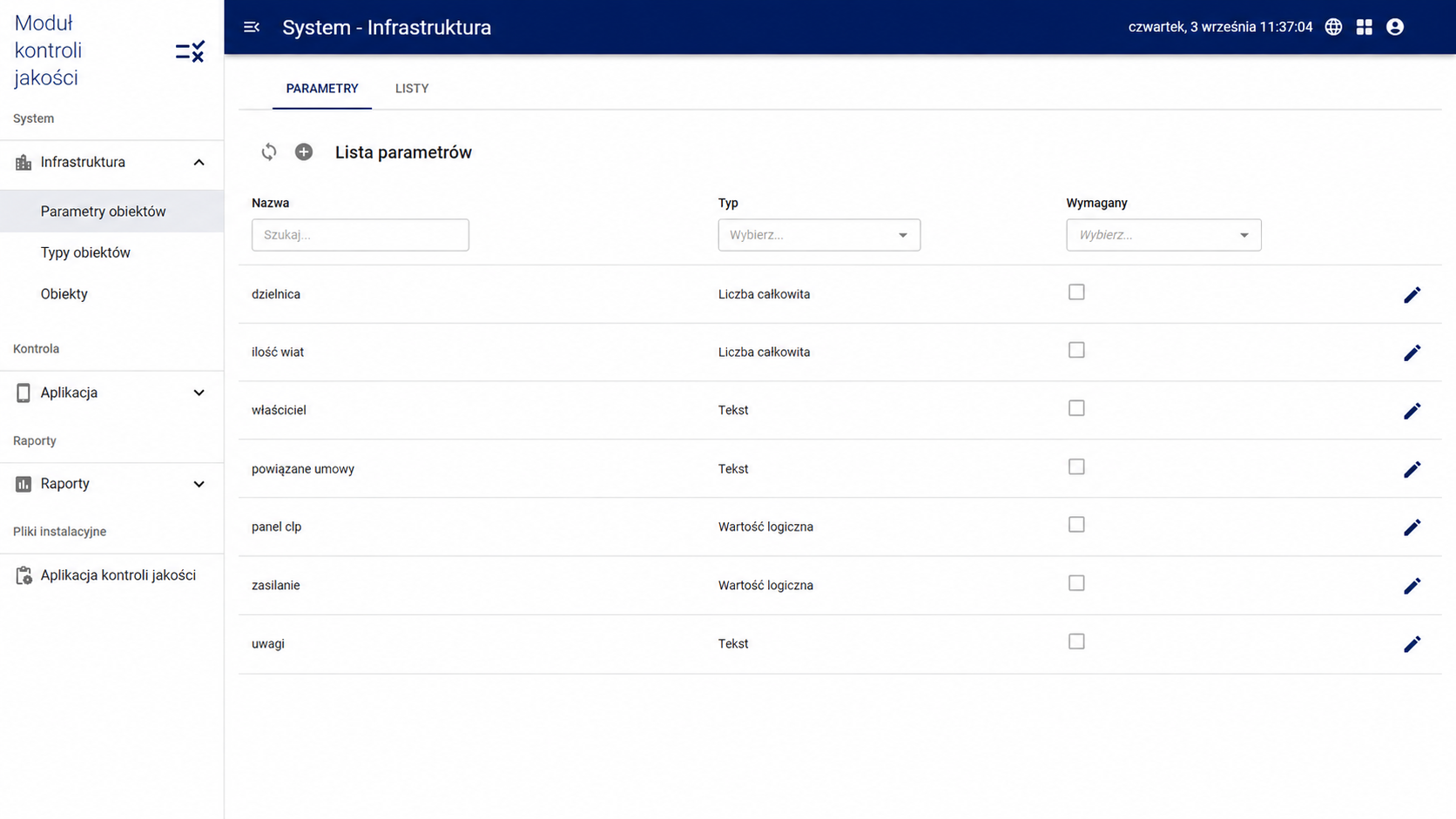
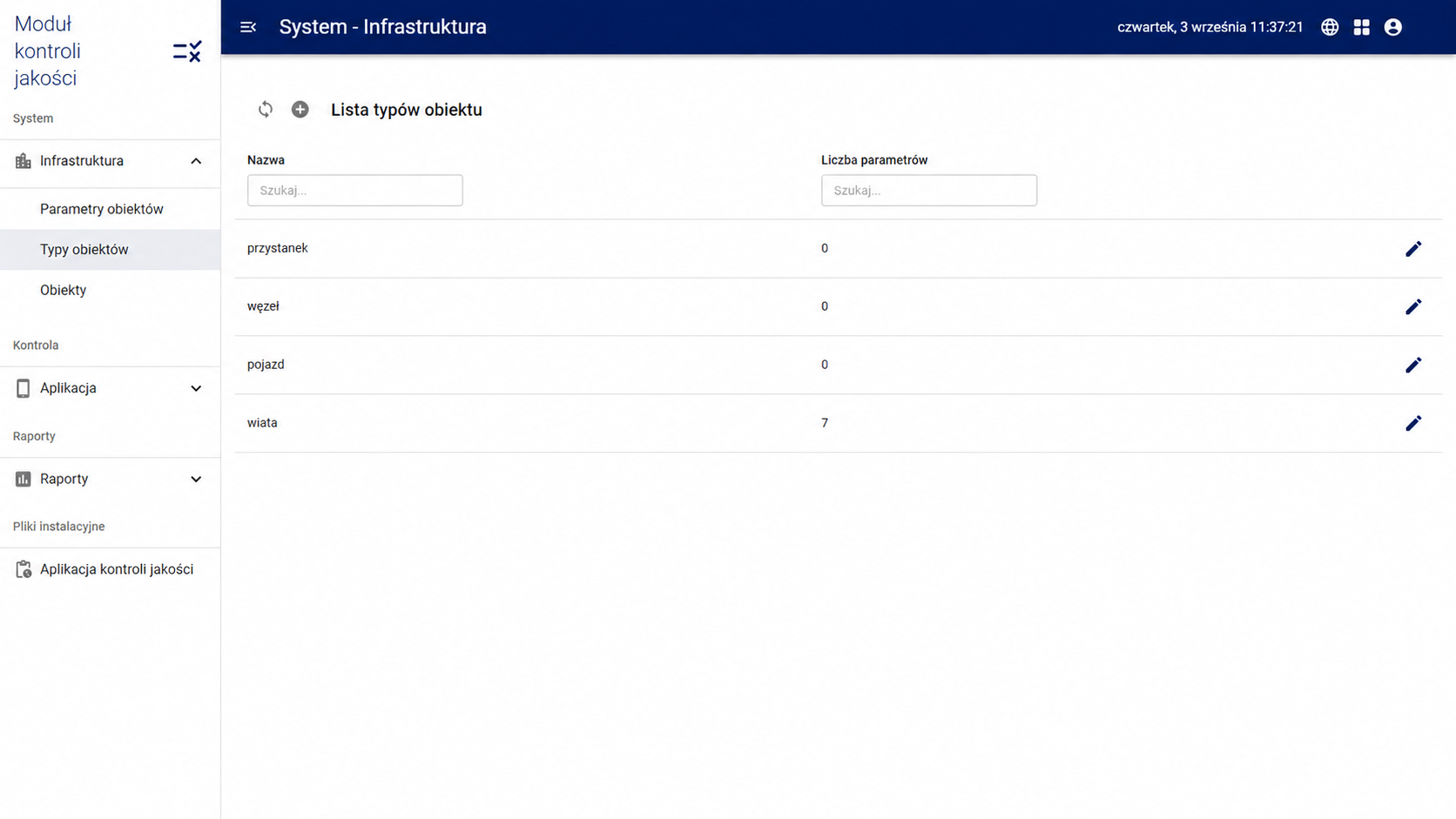
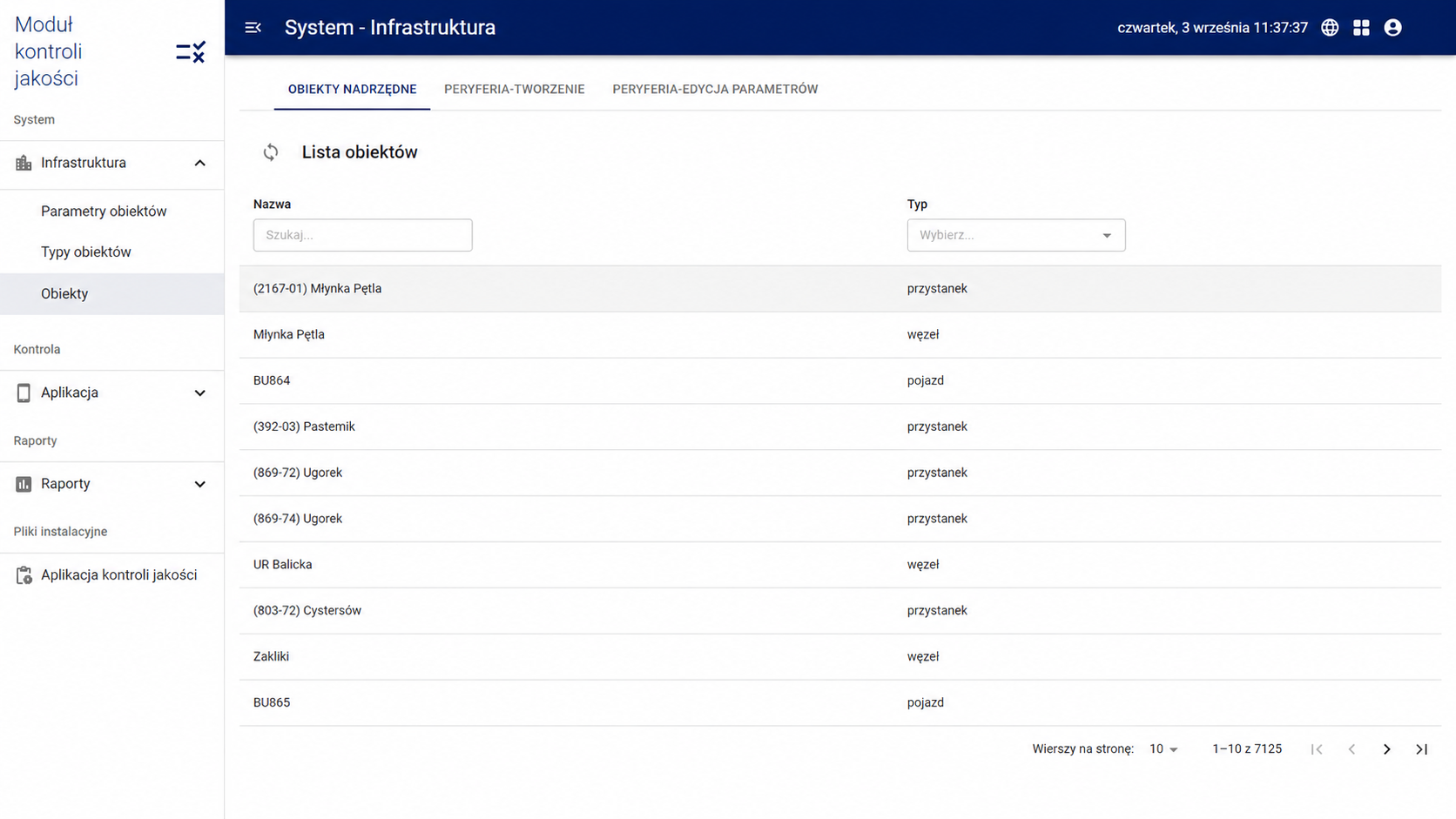
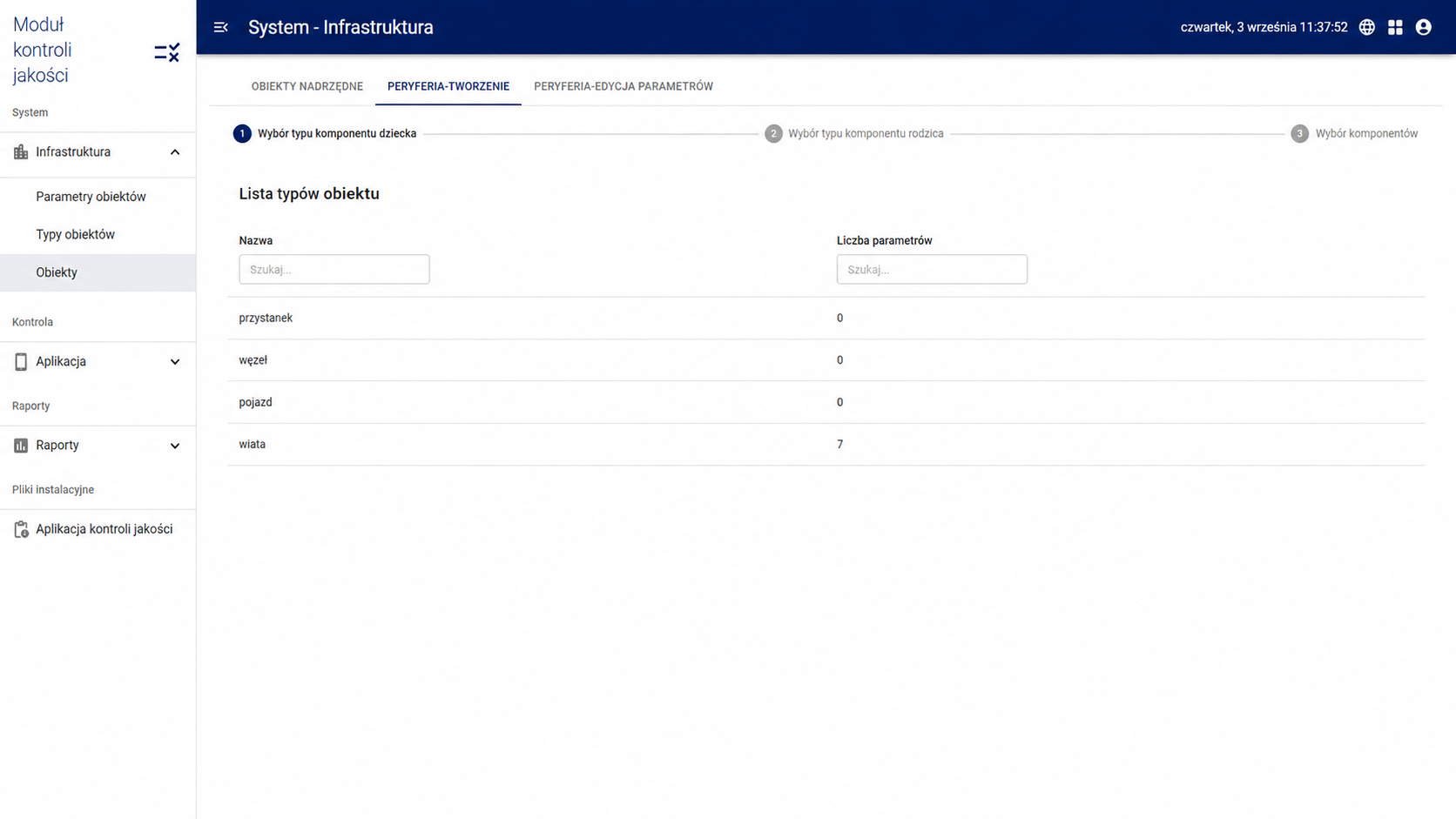
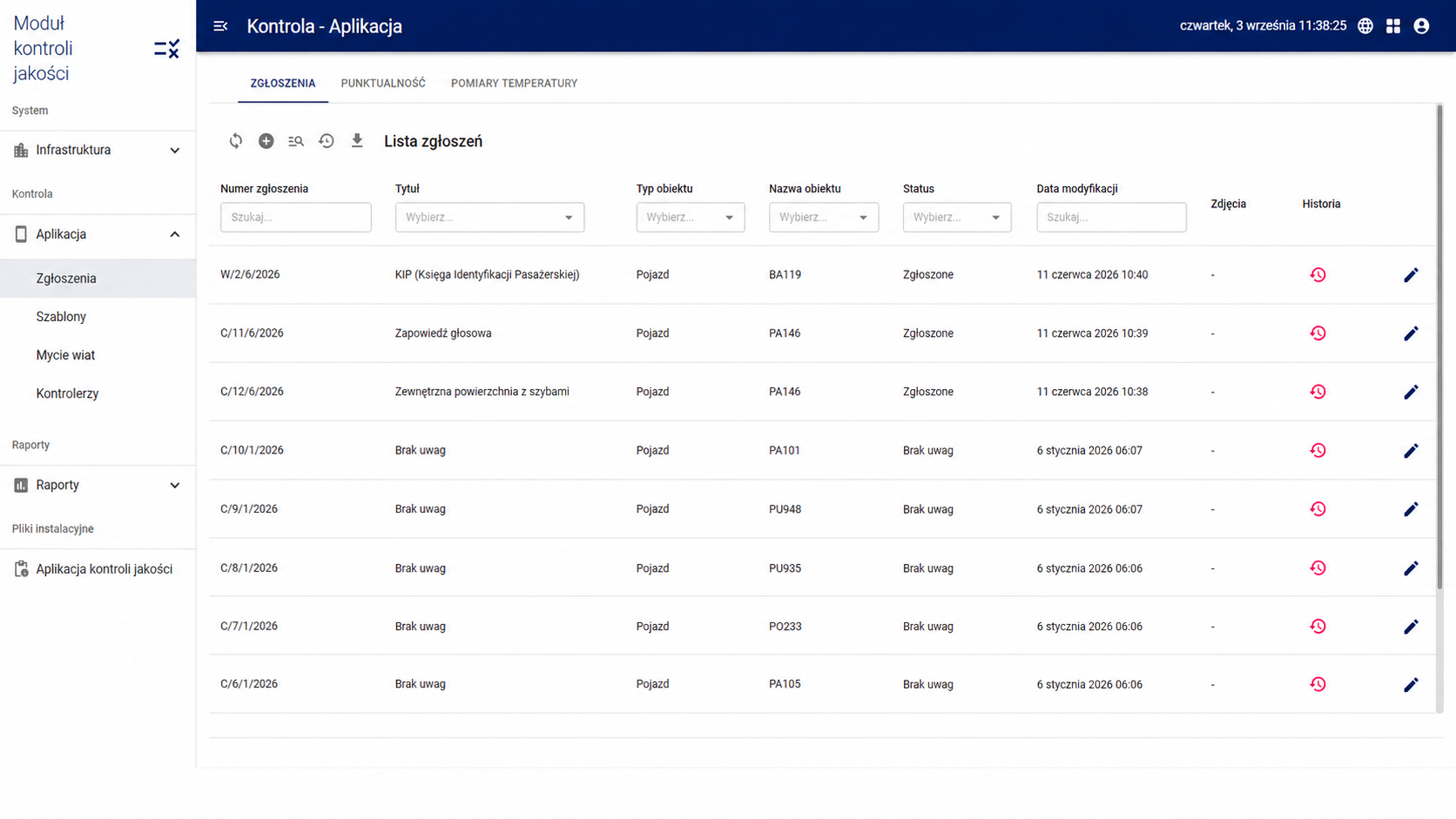
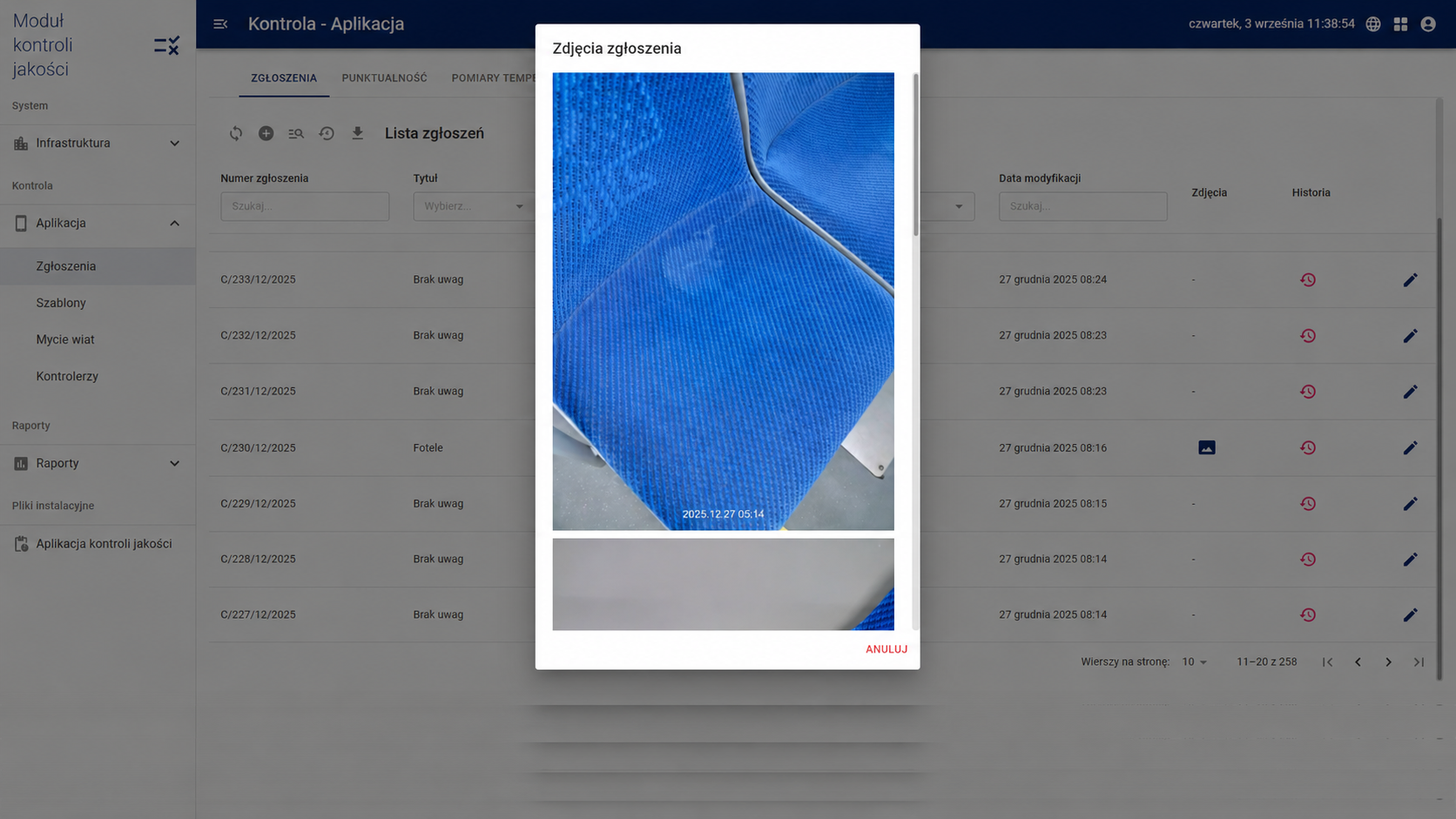
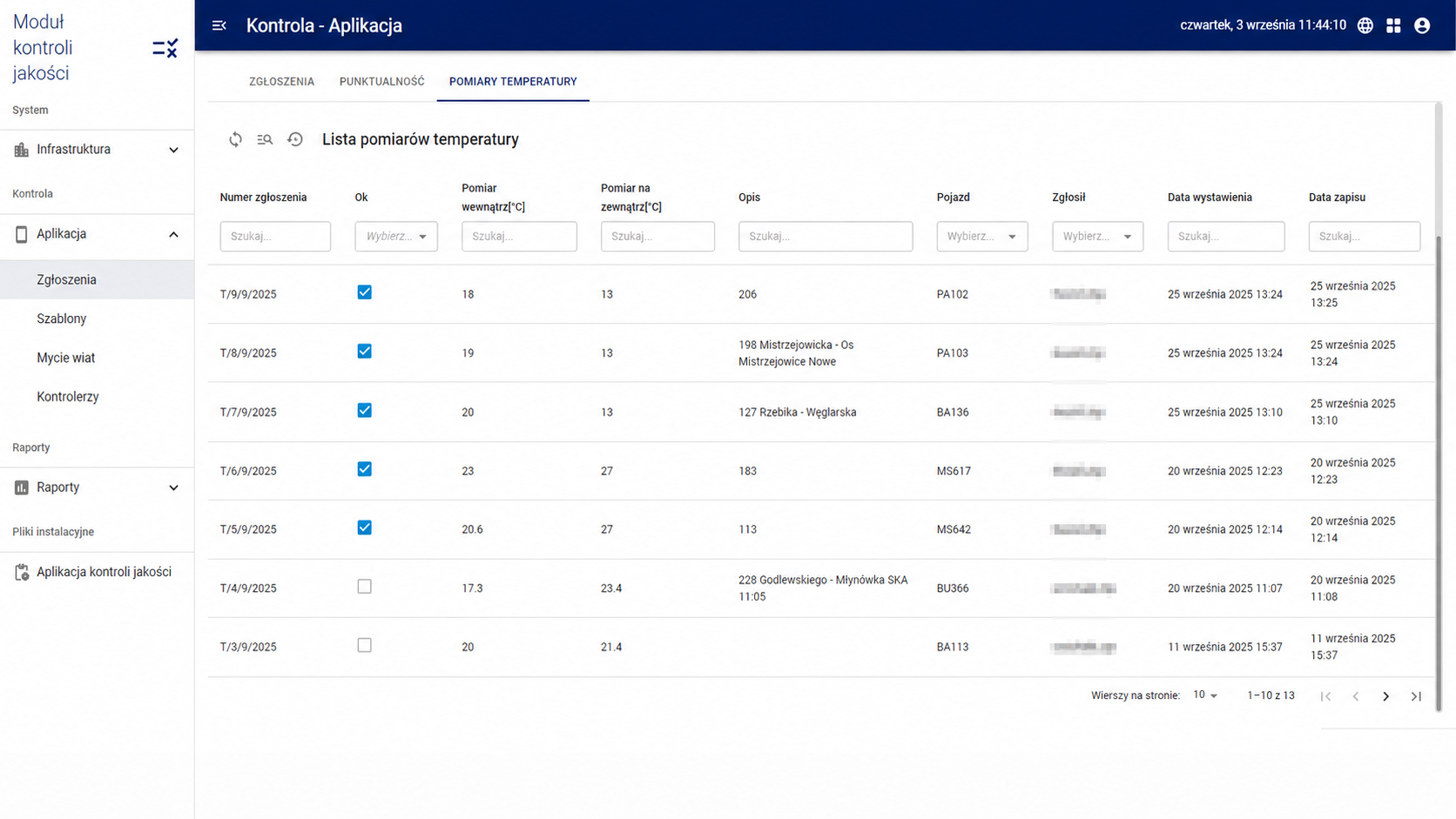
- Transport Service Quality Control Module – supervision of the condition of stop and transport infrastructure, including through a dedicated mobile application integrated with the central system.
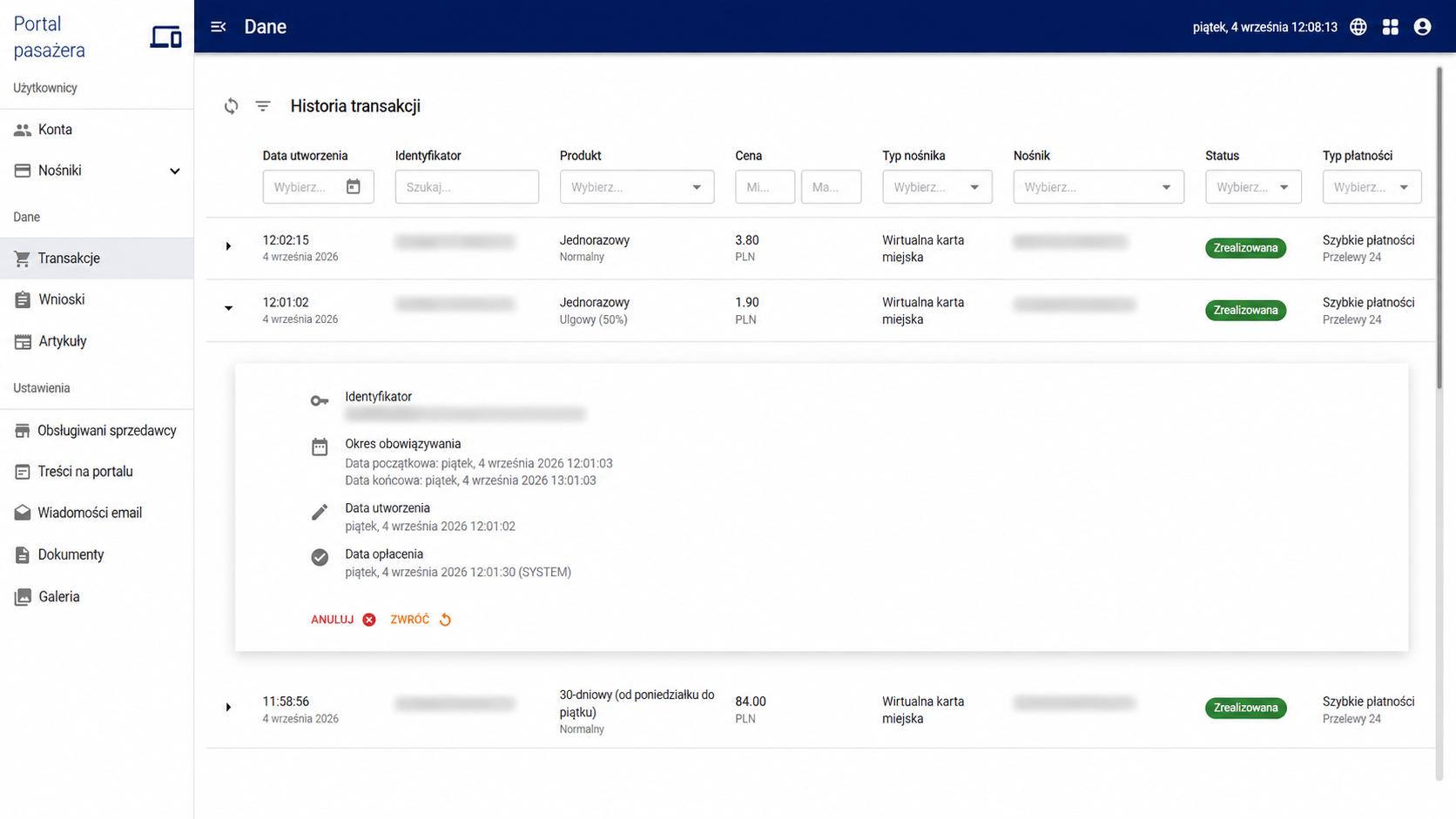
- Ticket Sales / Transaction Module – management of ticket types and distribution, supervision of sellers and sales channels, and definition and handling of season ticket media.
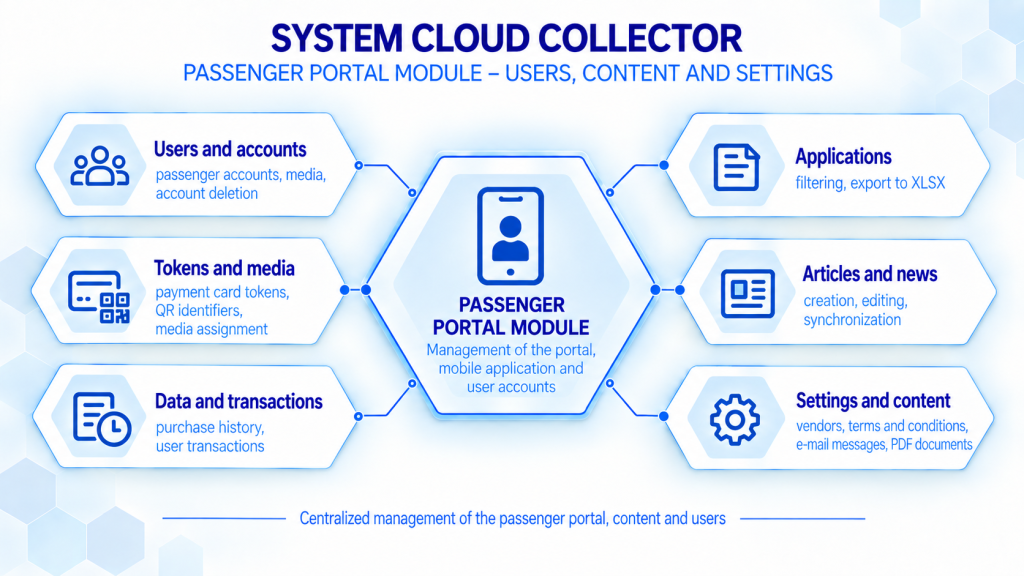
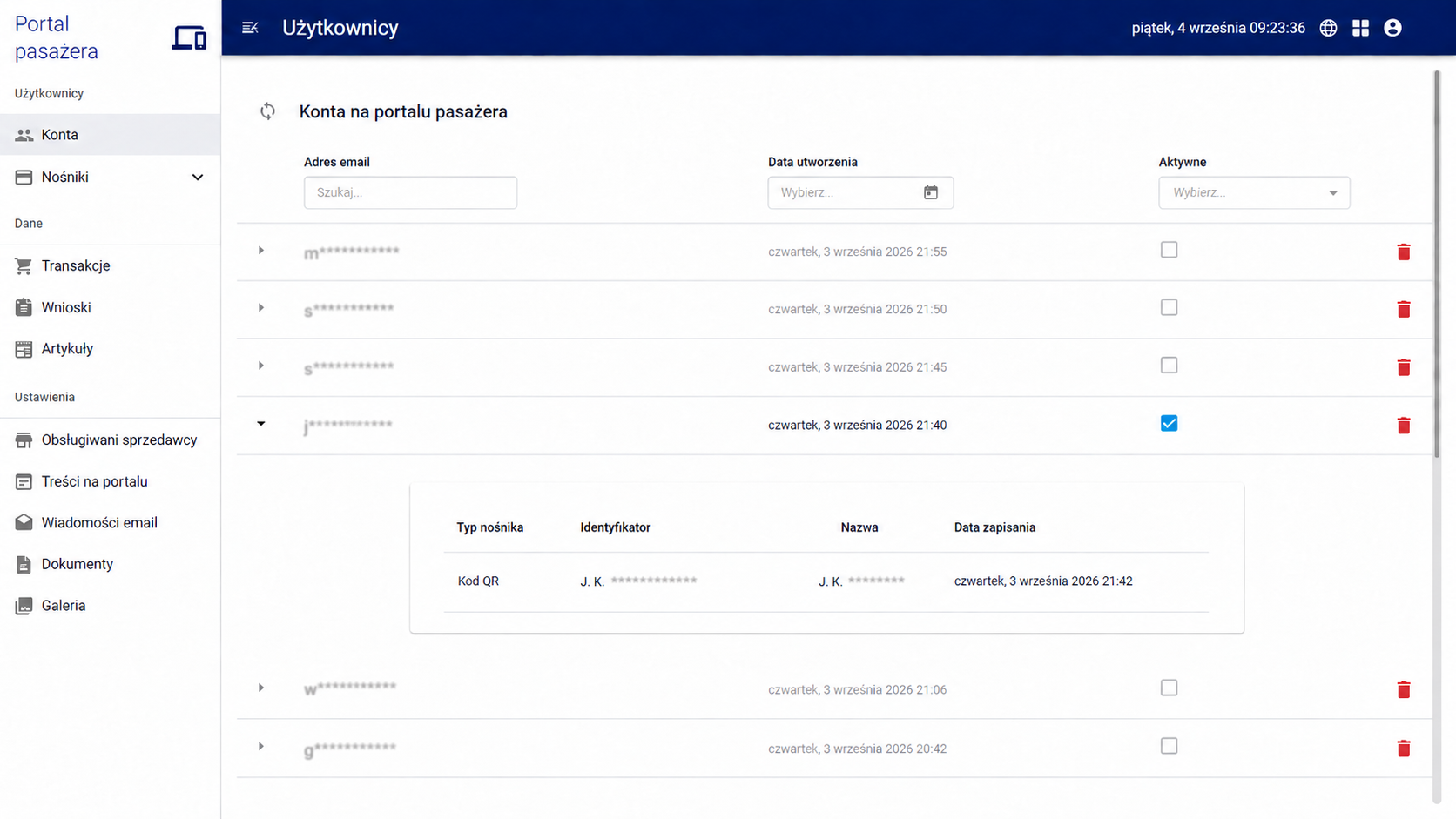
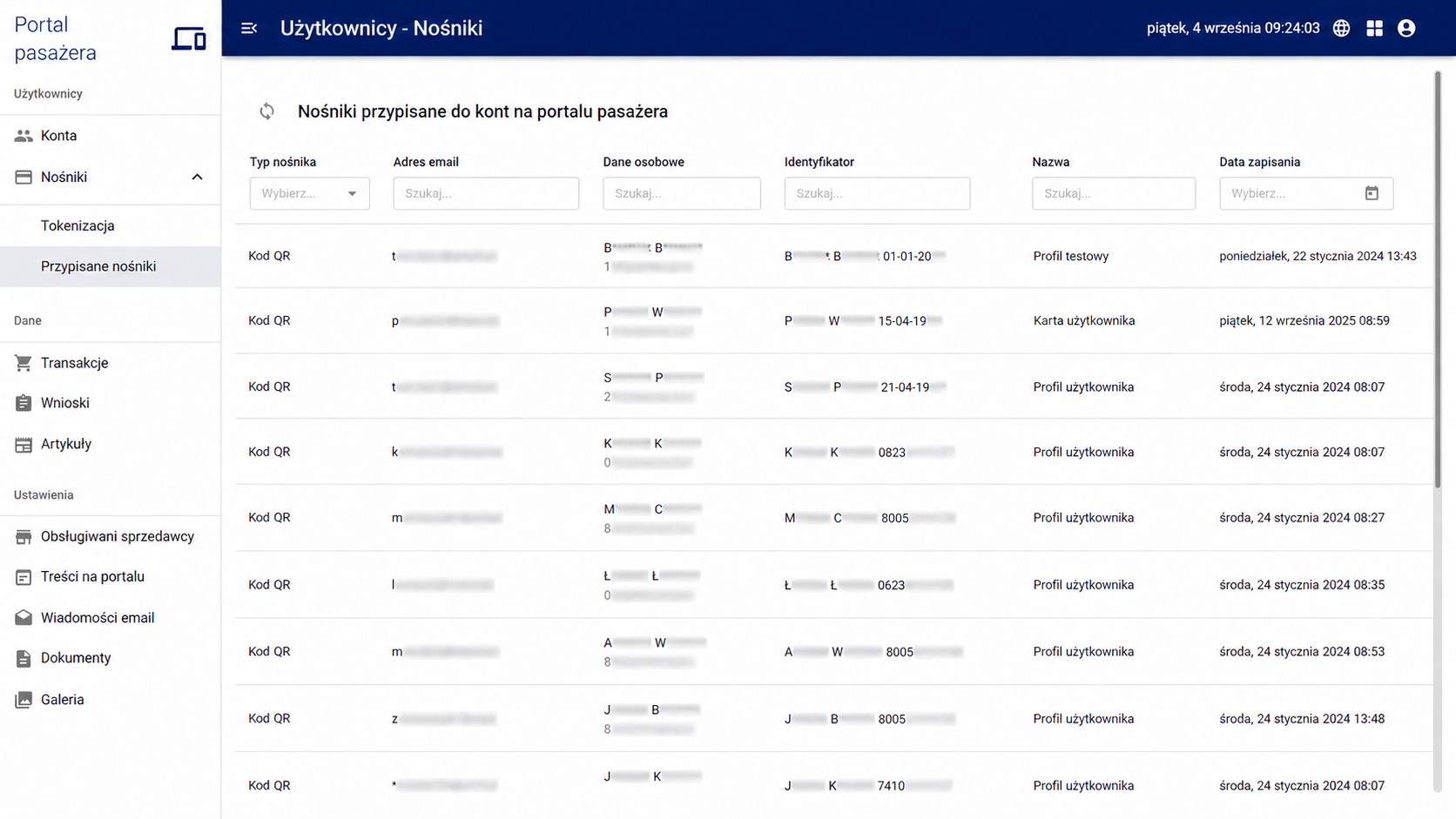
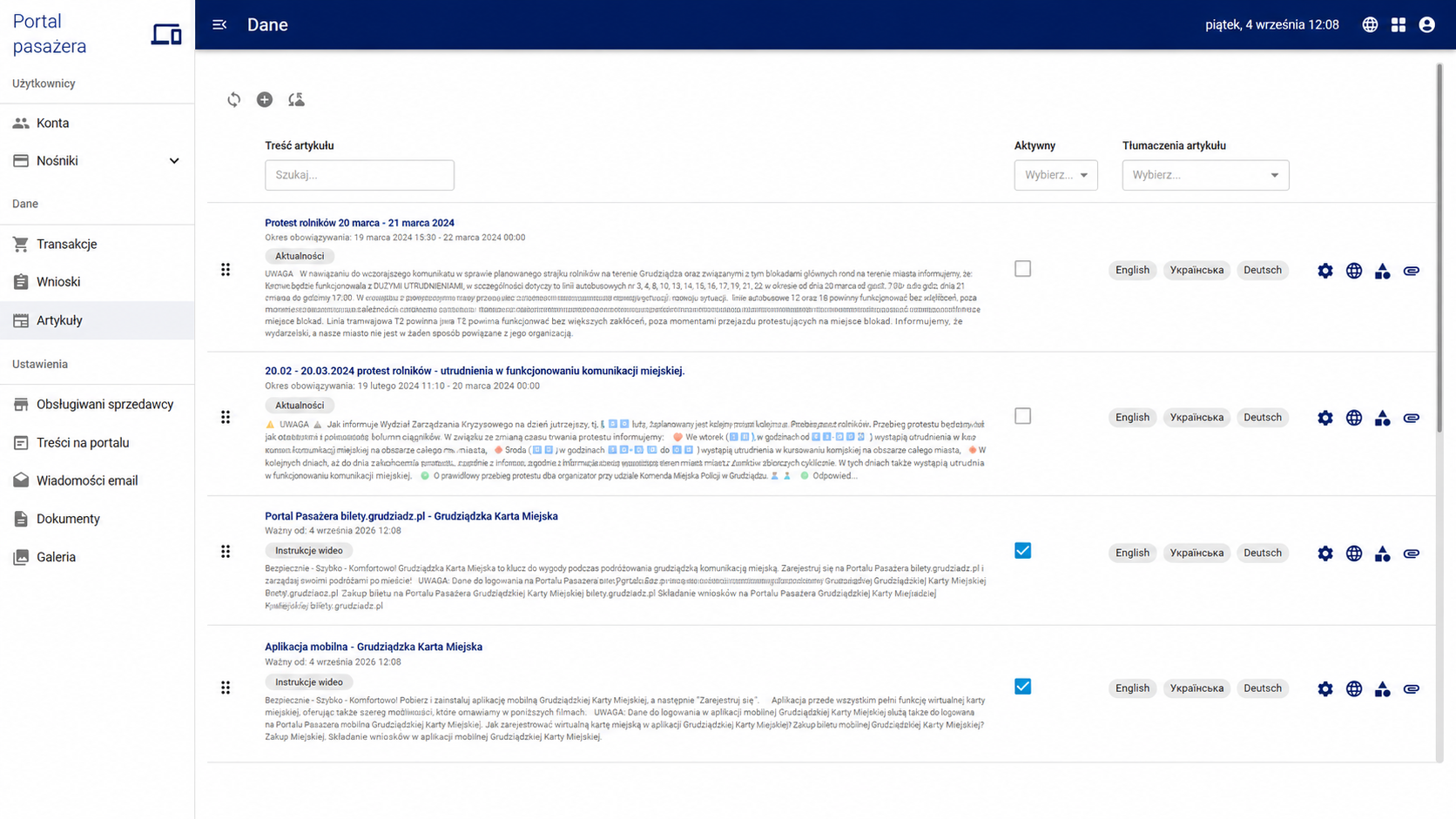
- Passenger Portal Module – management of user accounts on the public passenger portal and editing of content published on the portal.
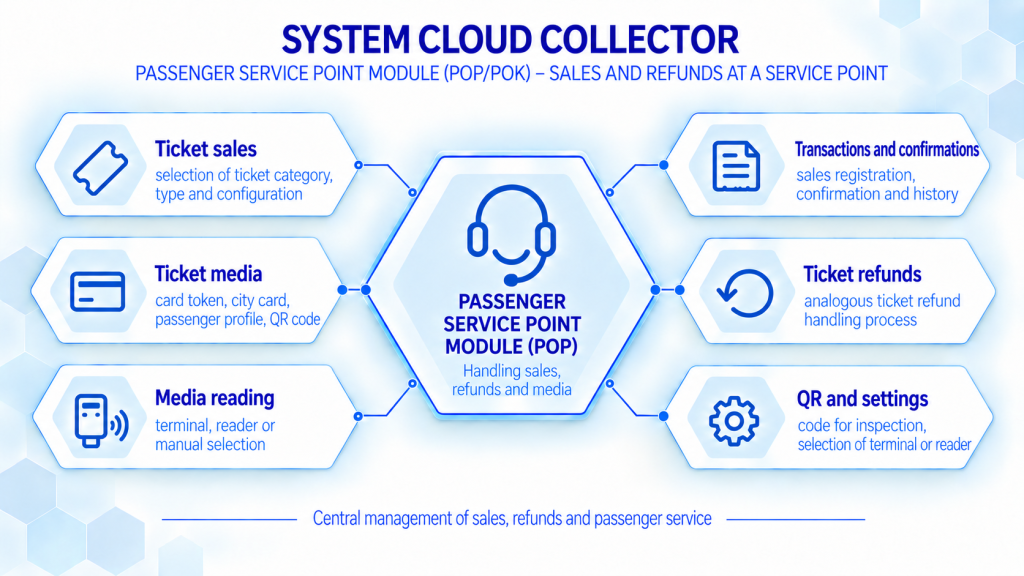
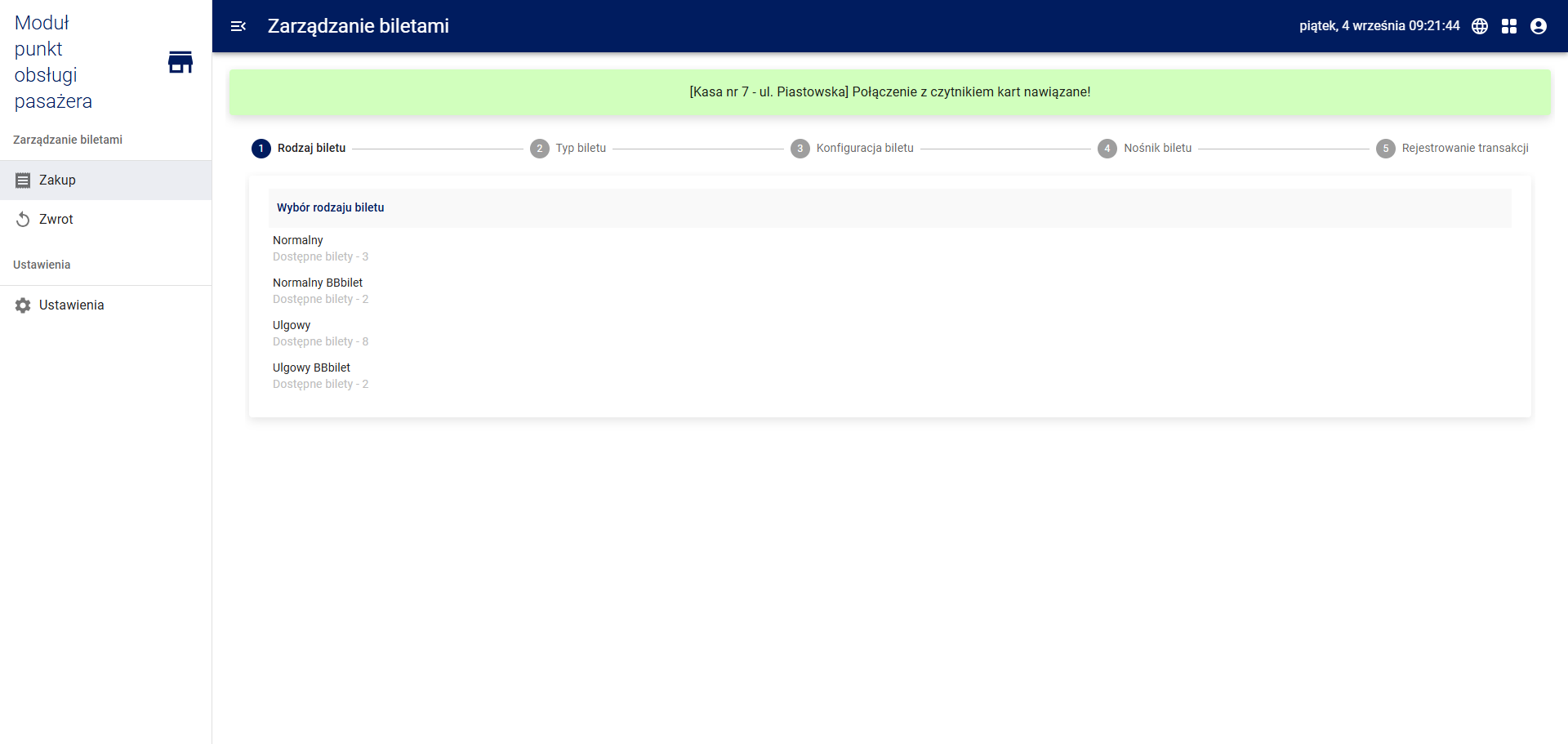
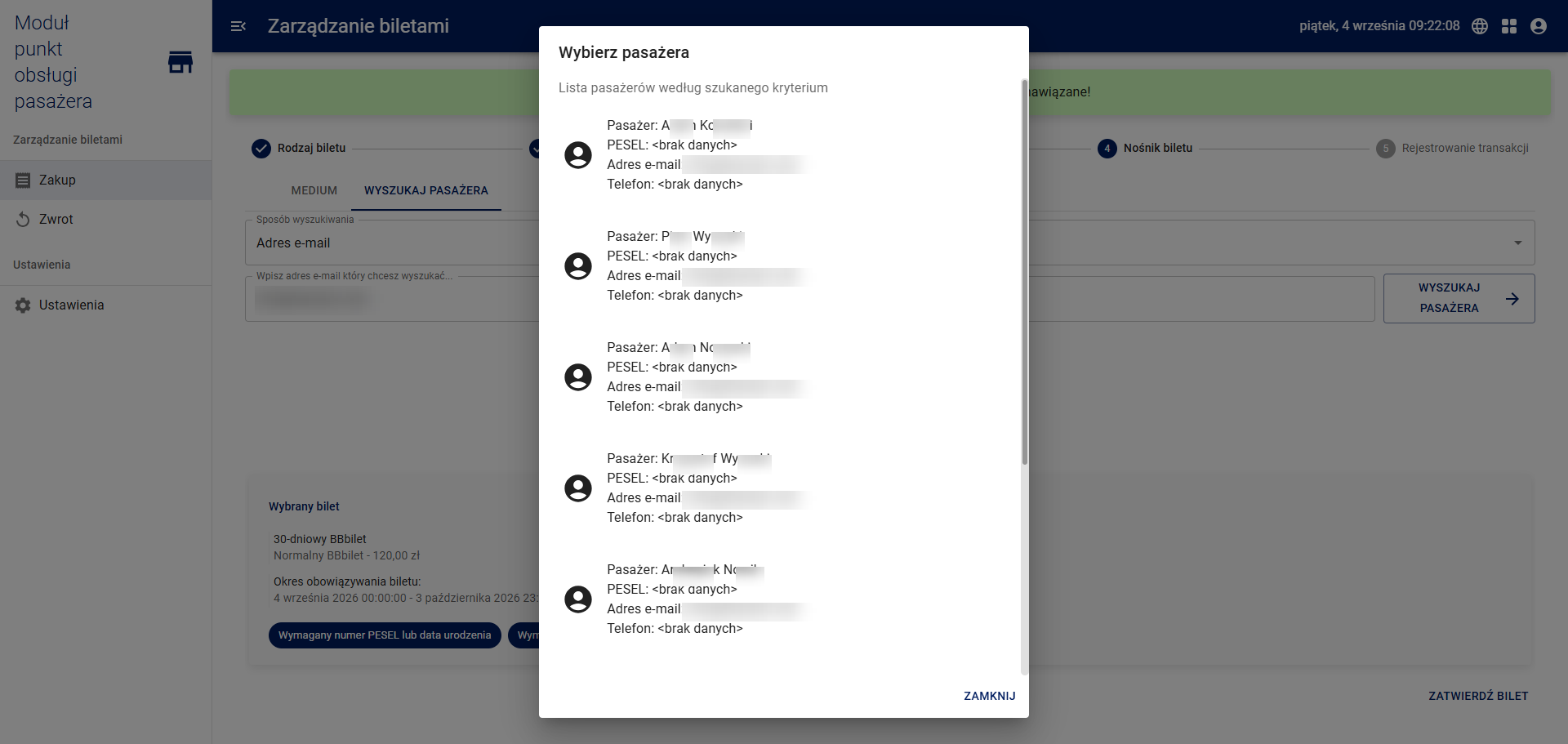
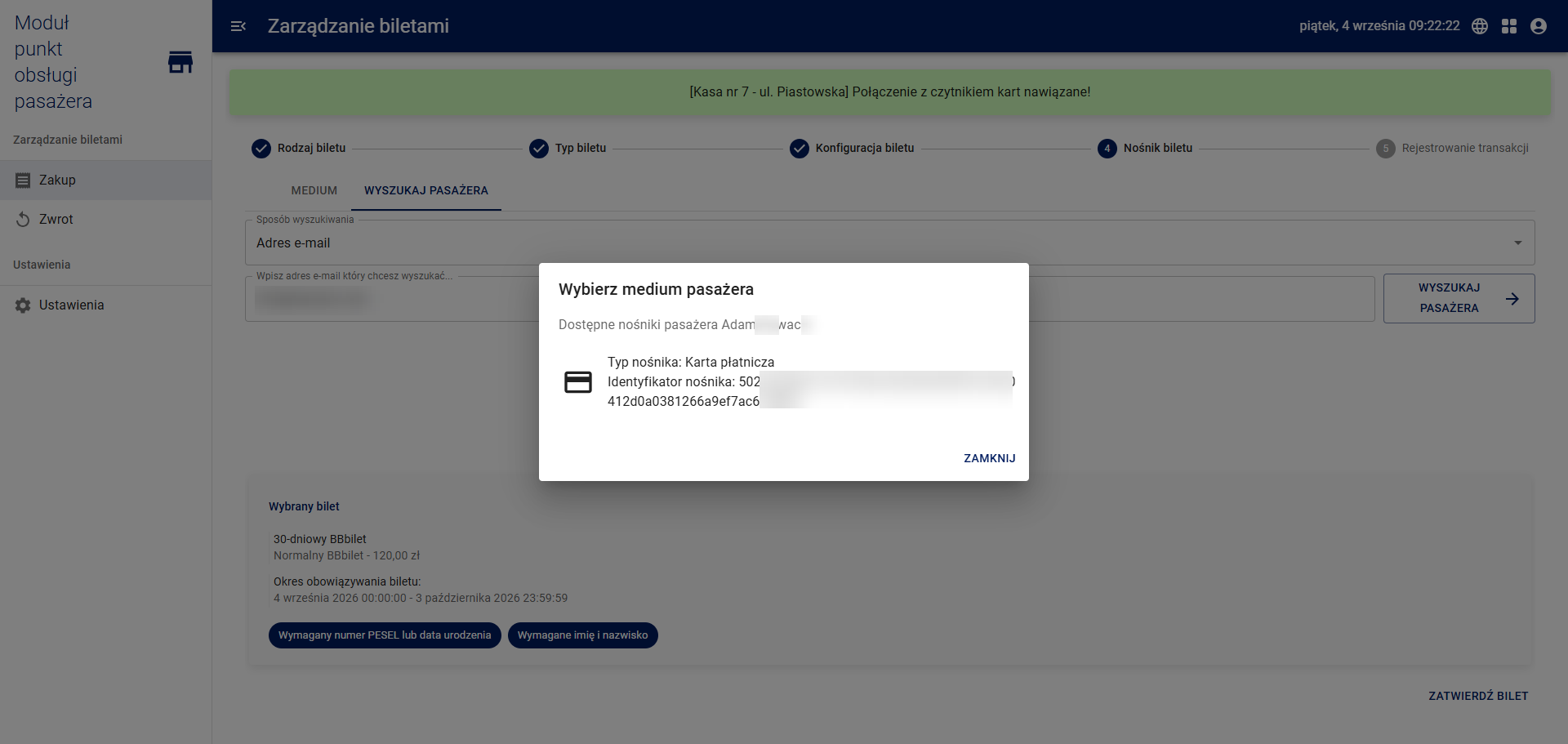
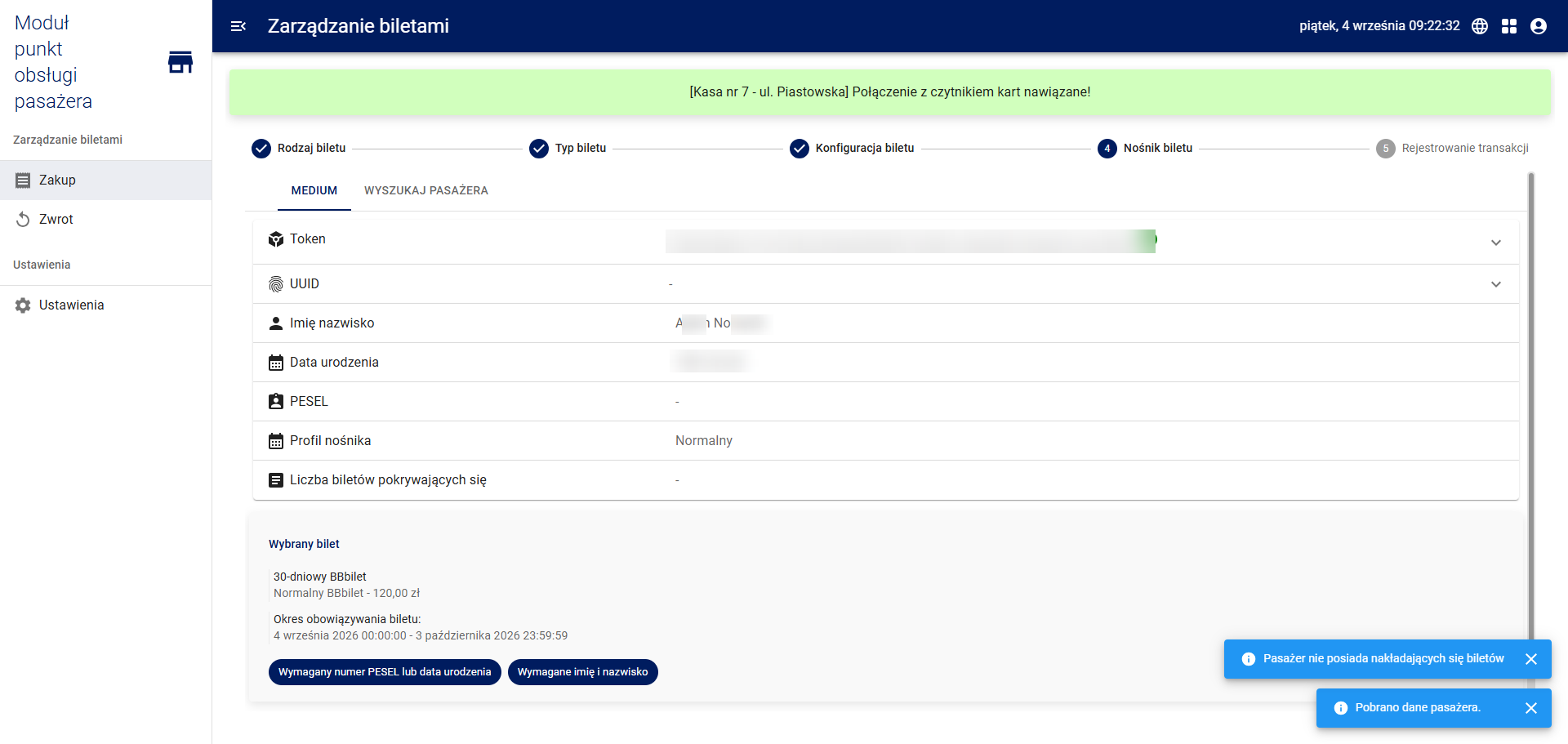
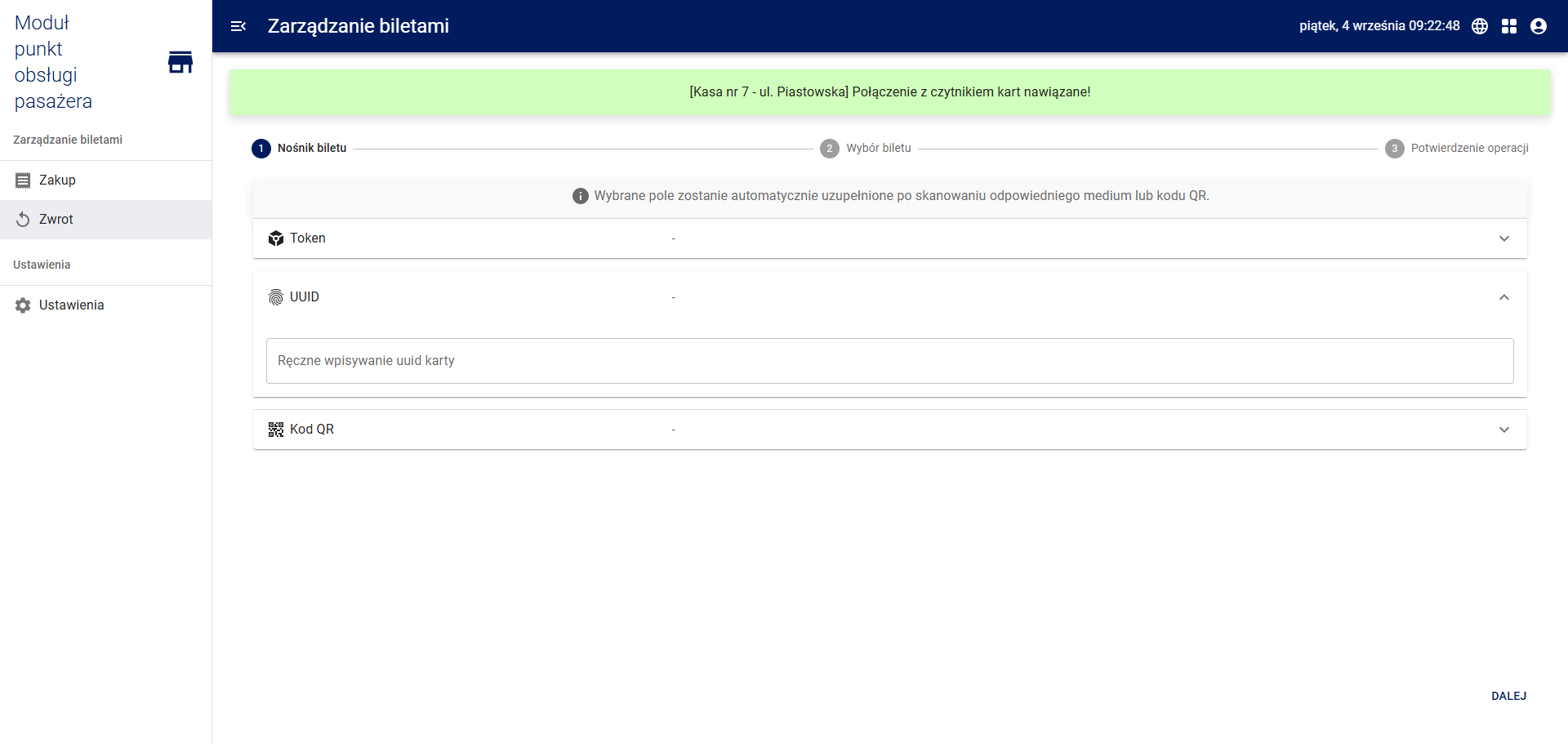
- Passenger Service Point Module (POP/POK) – ticket sales using available media such as payment card tokens, physical city cards, or passenger QR/2D code profiles.
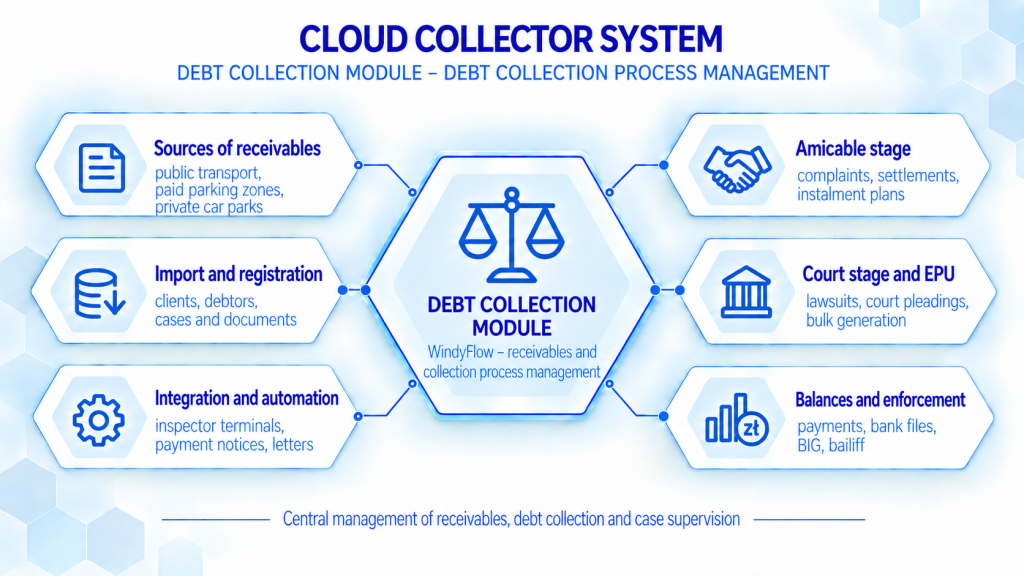
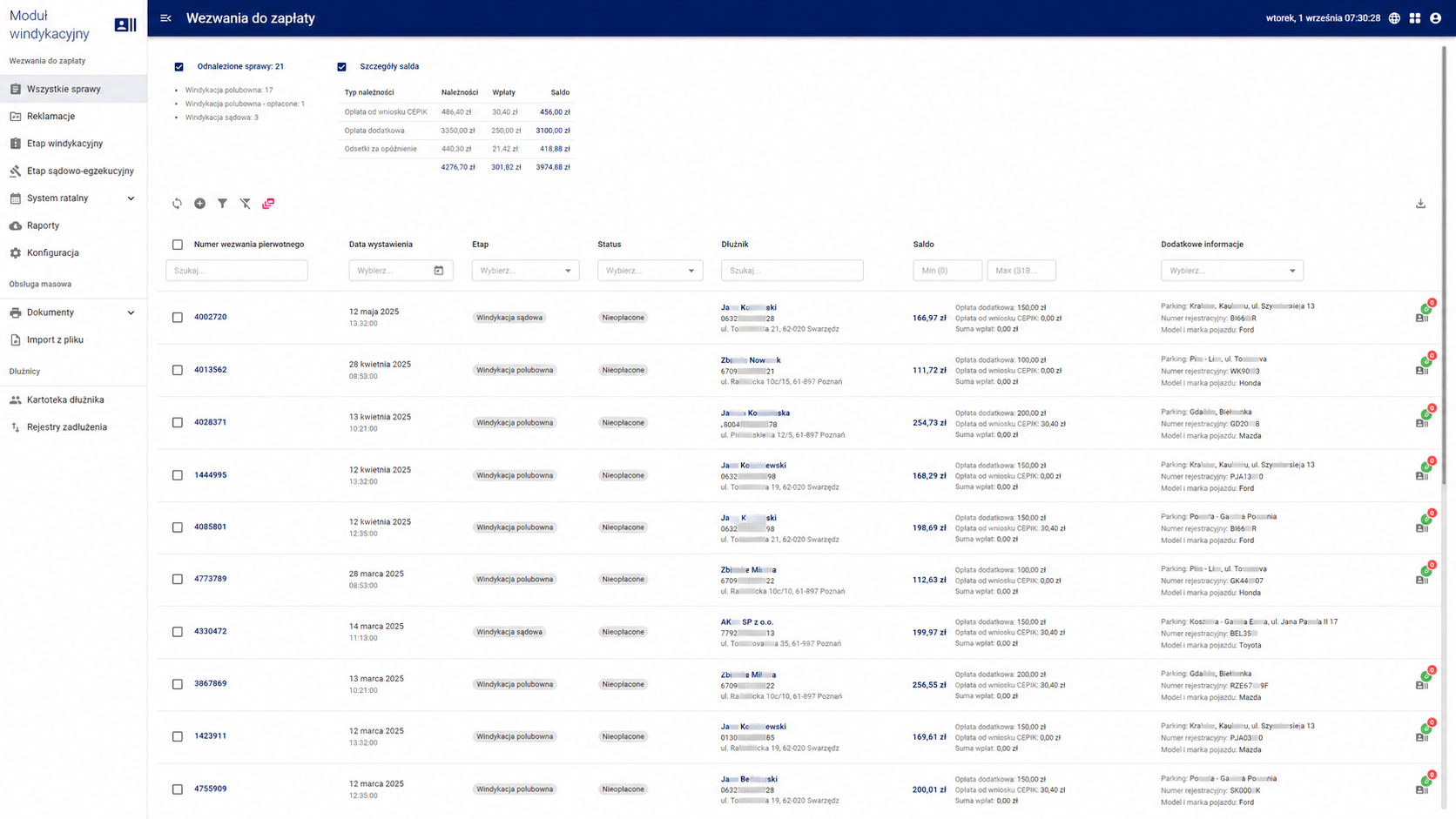
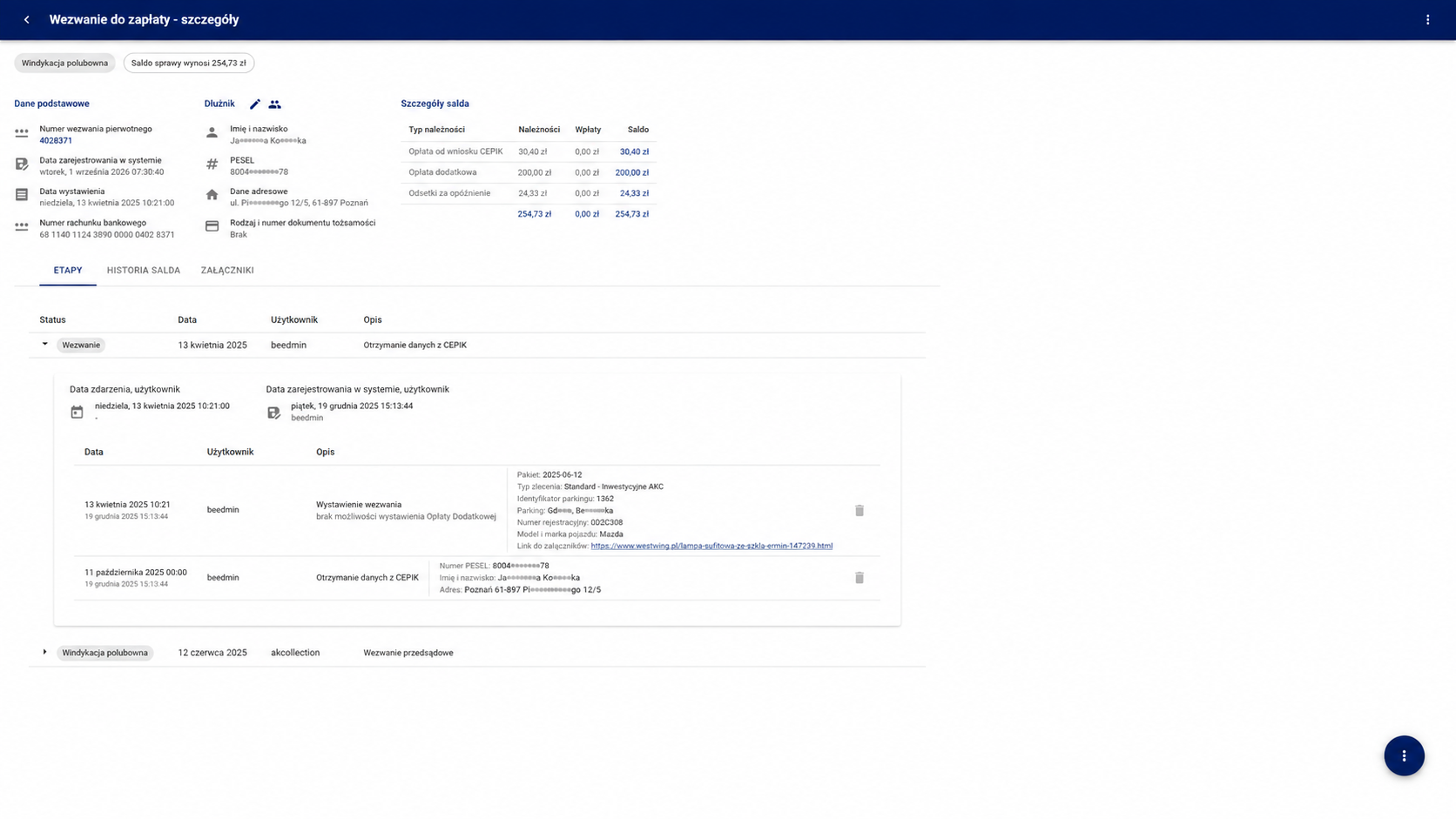
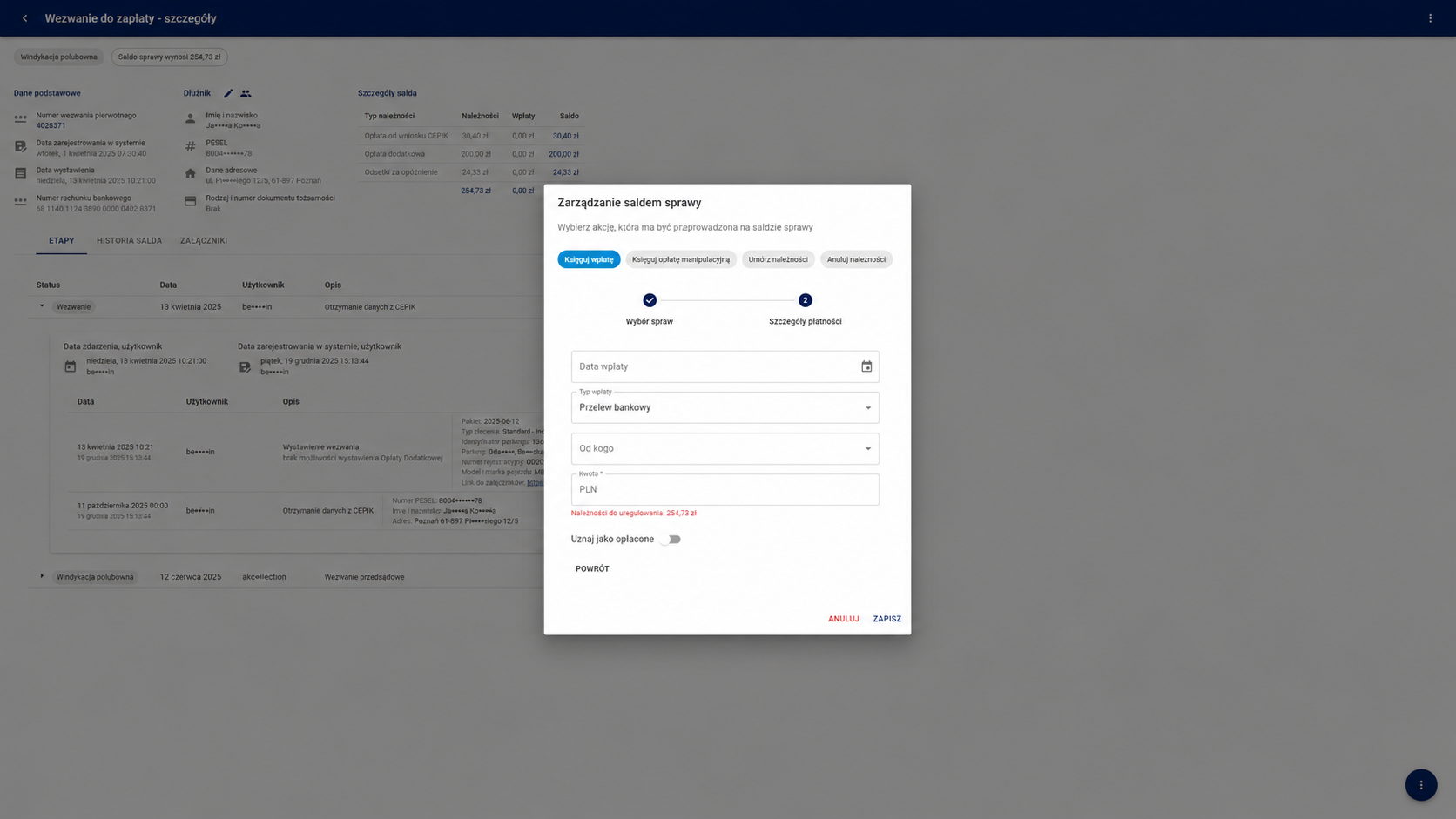
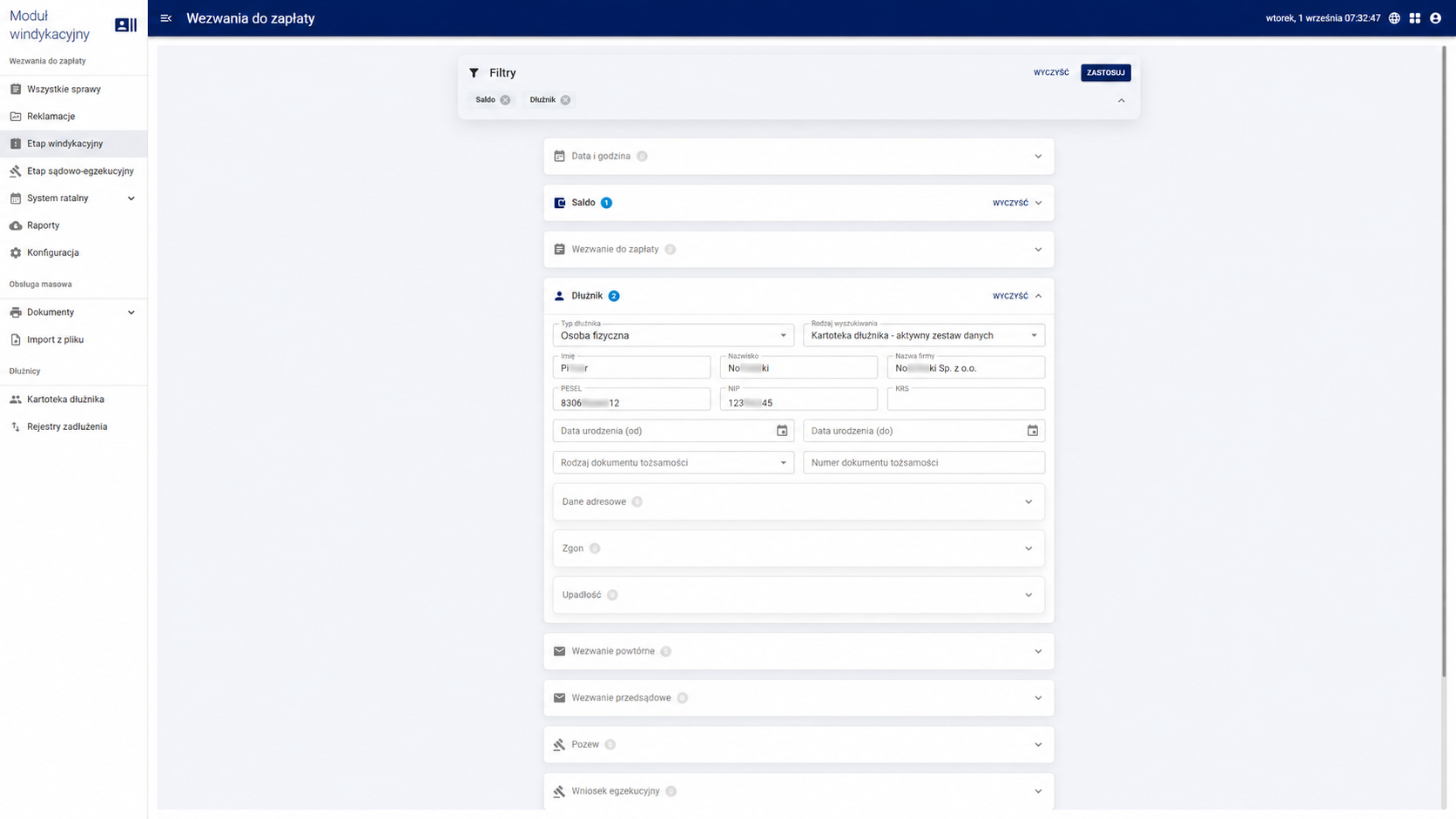
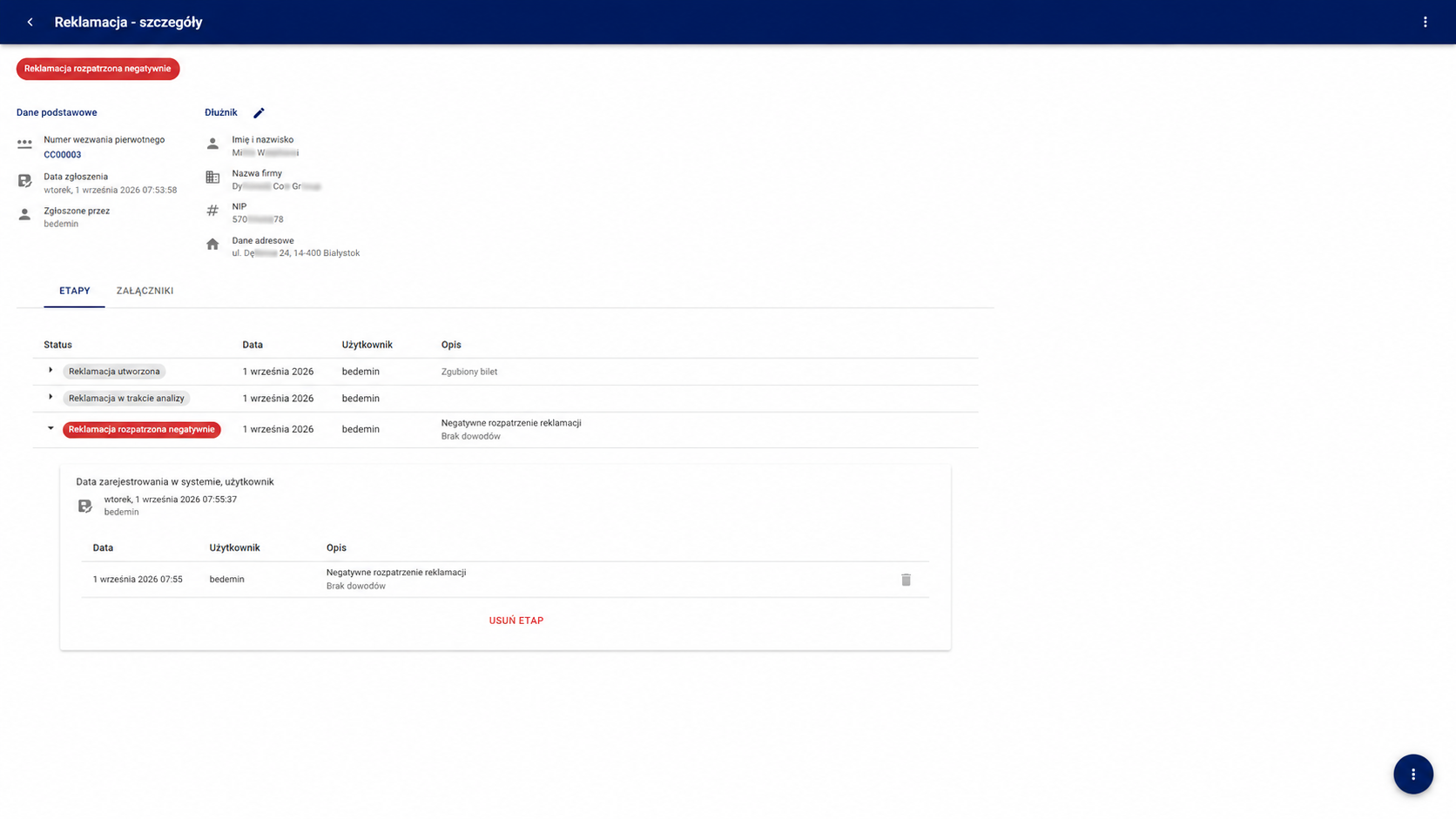
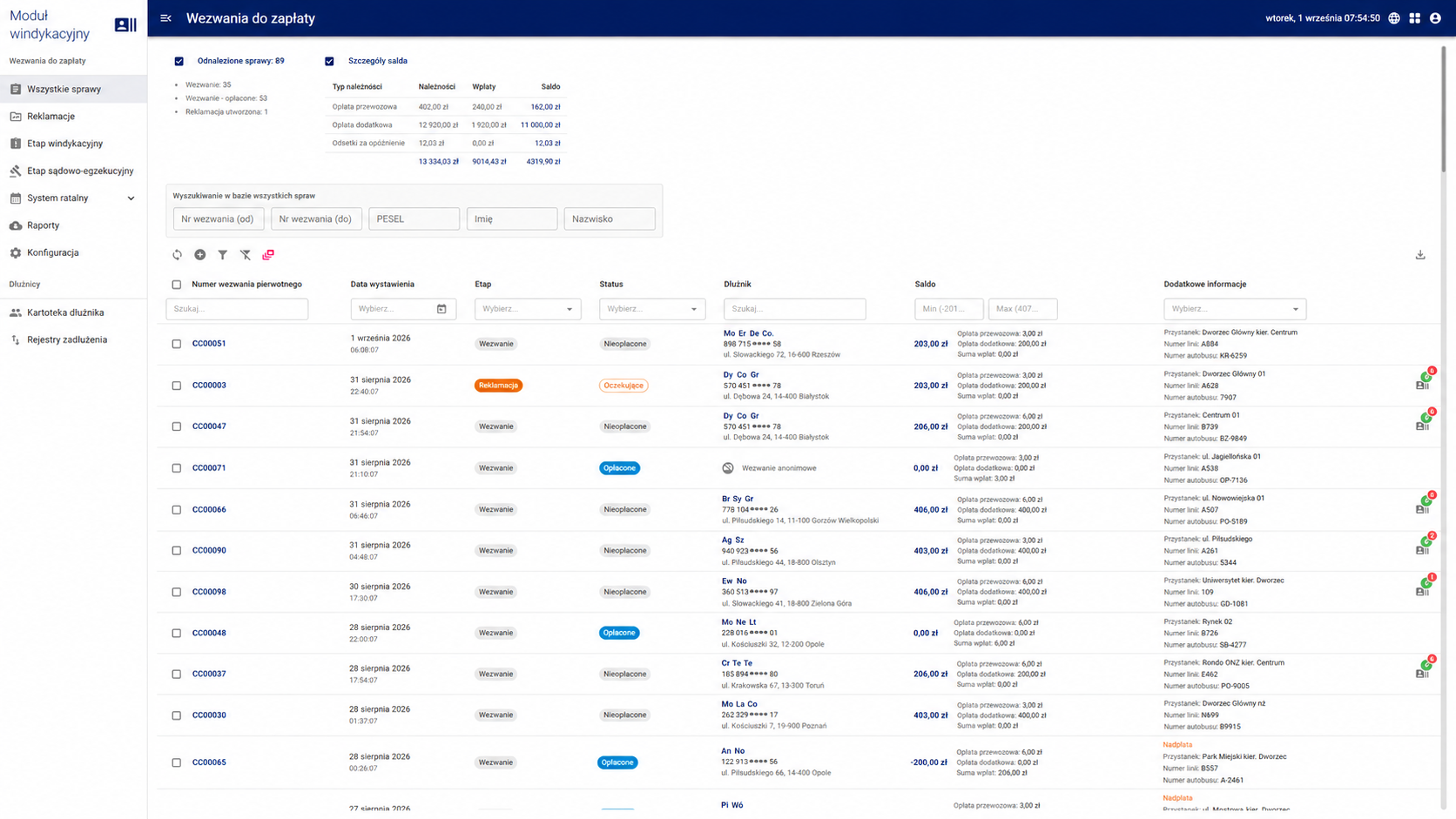
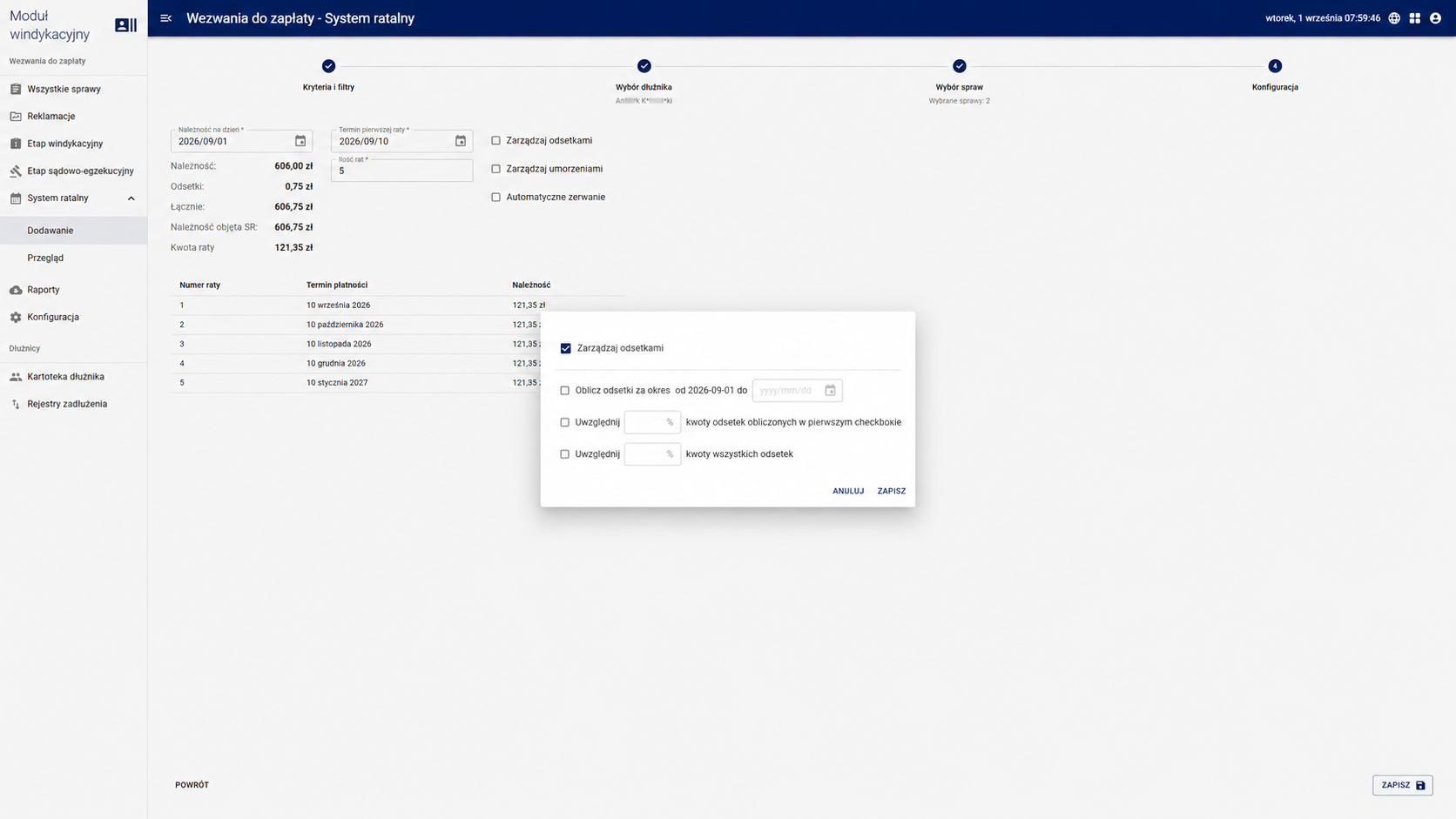
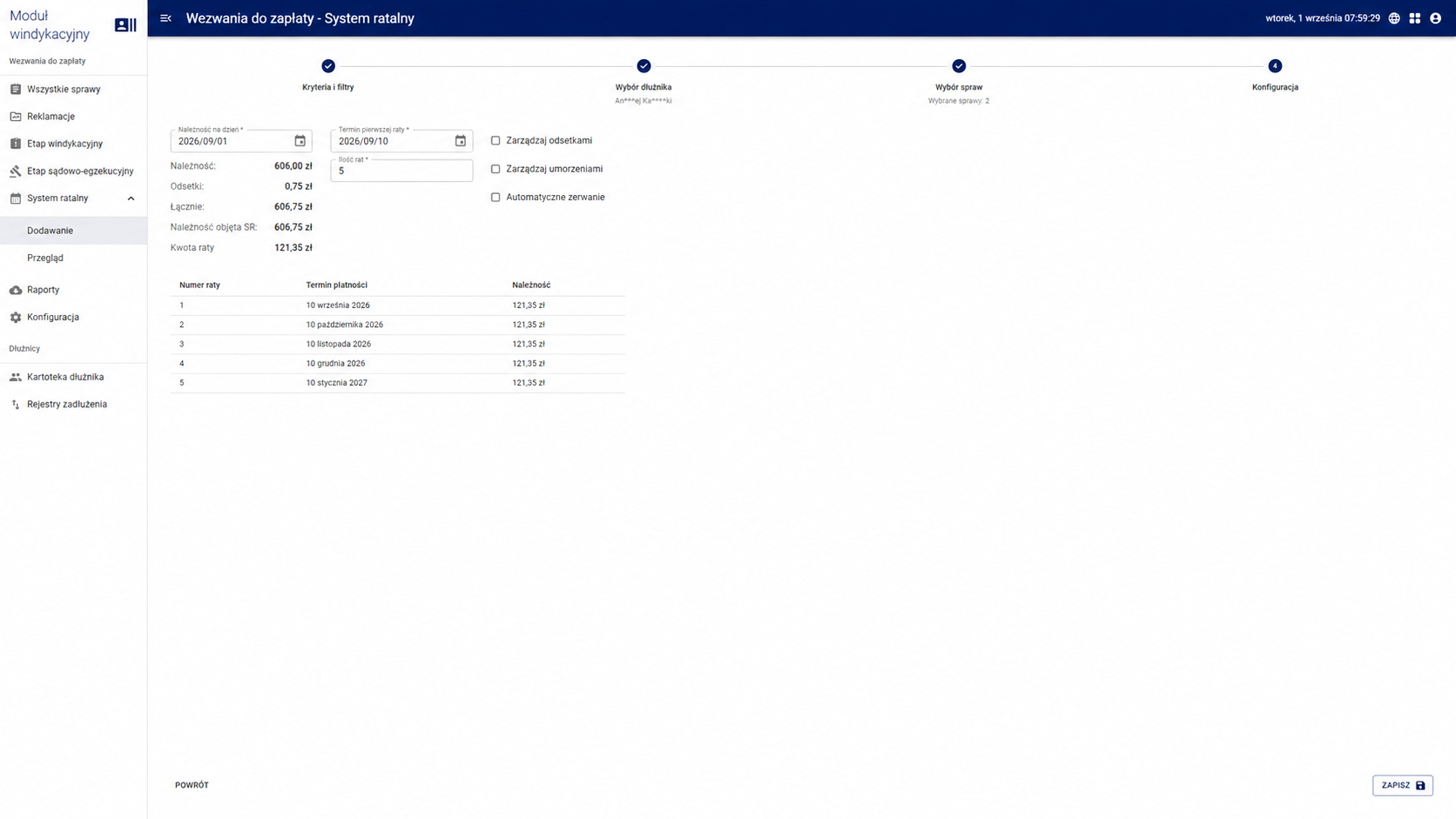
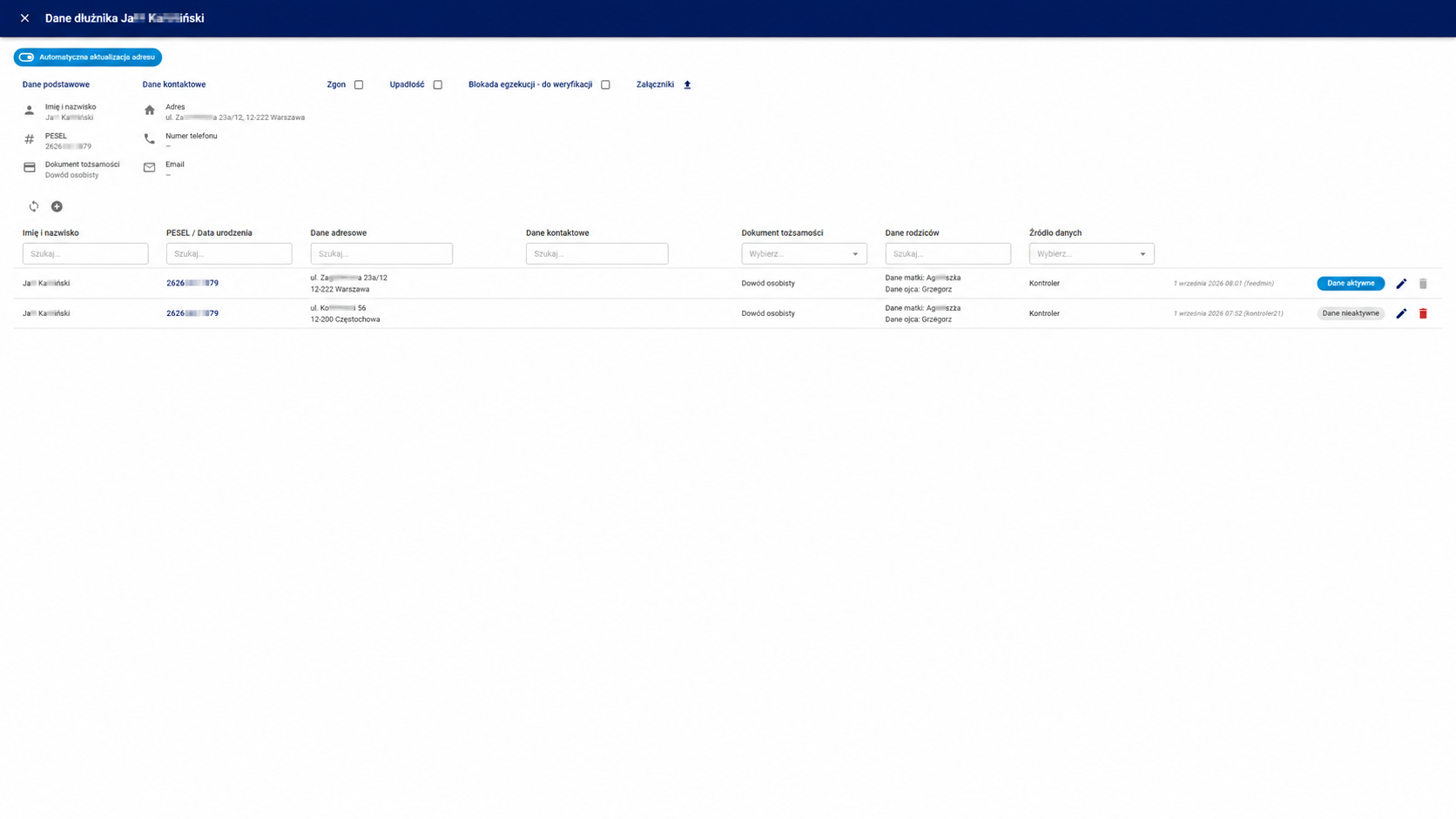
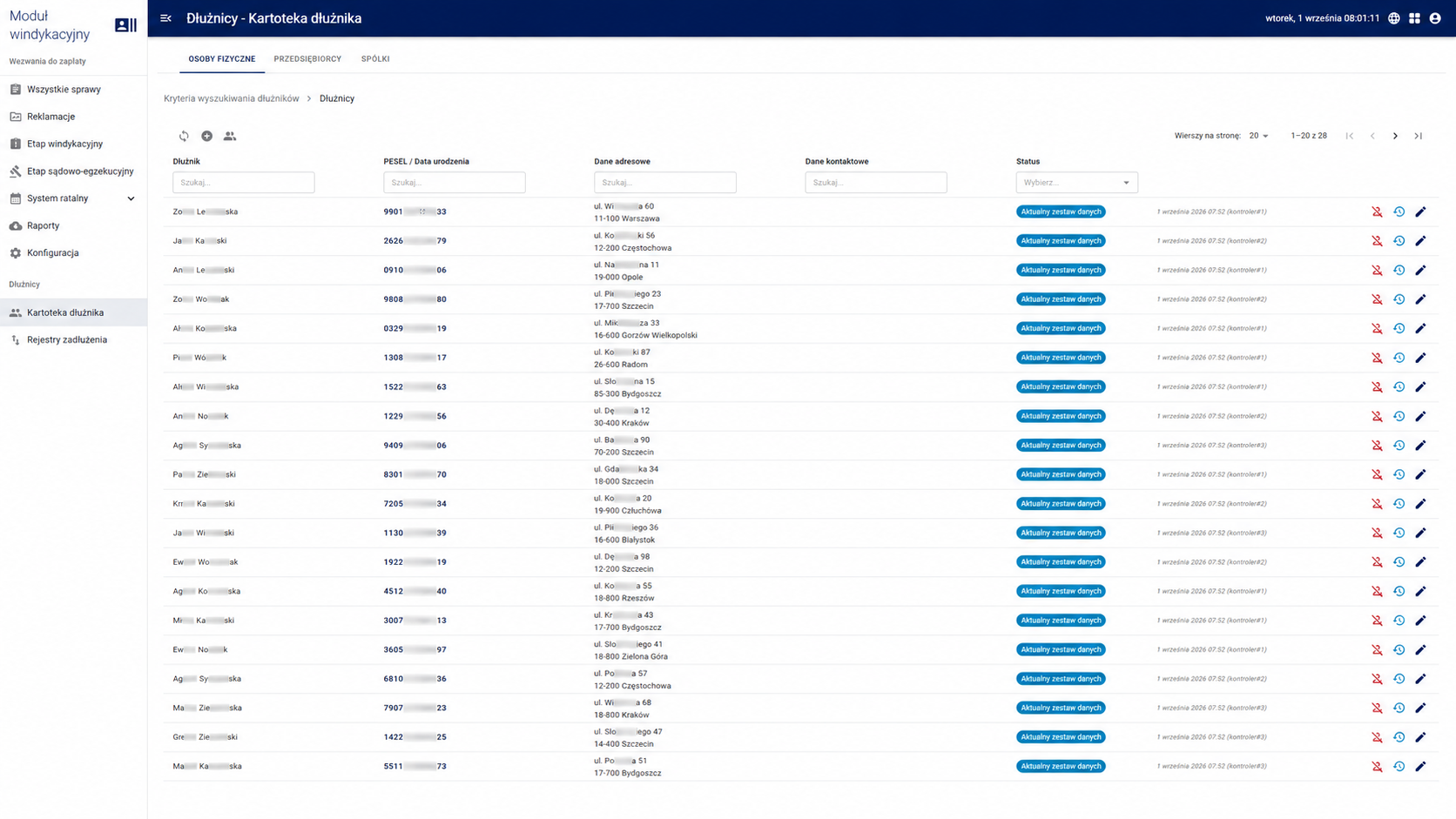
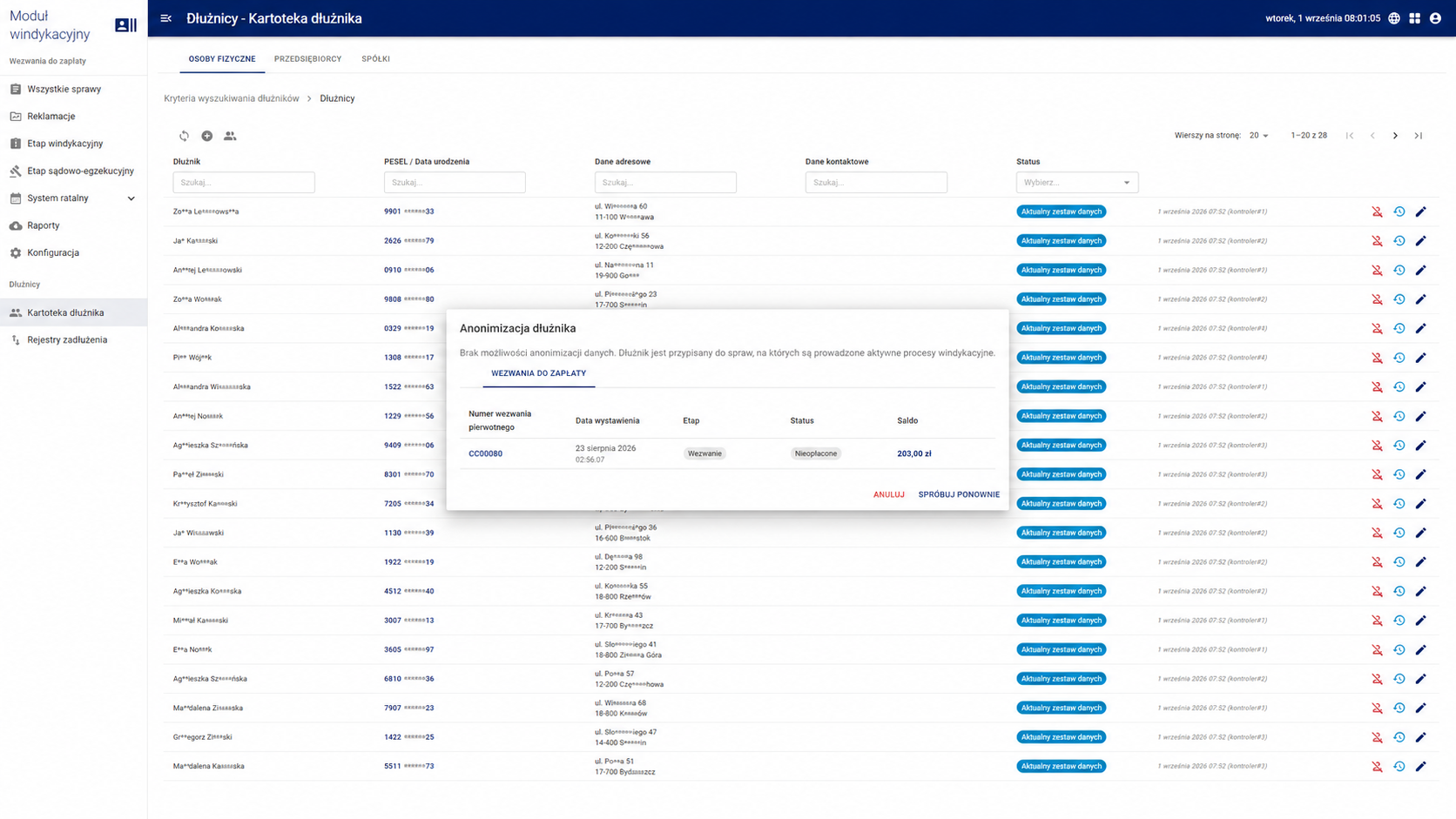
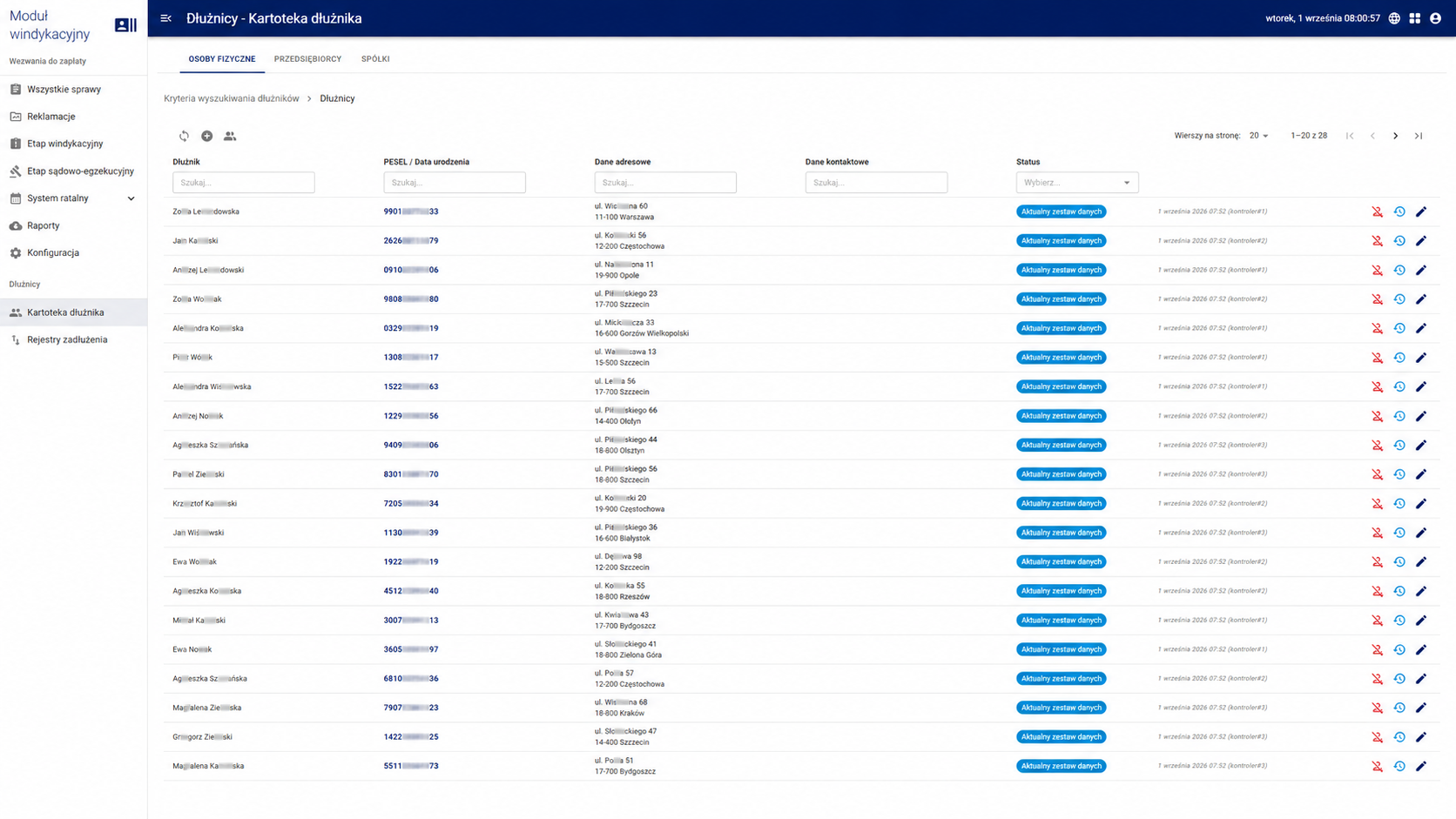
- WindyFlow Debt Collection Module – management of information related to issued payment notices and data required for debt collection processes.
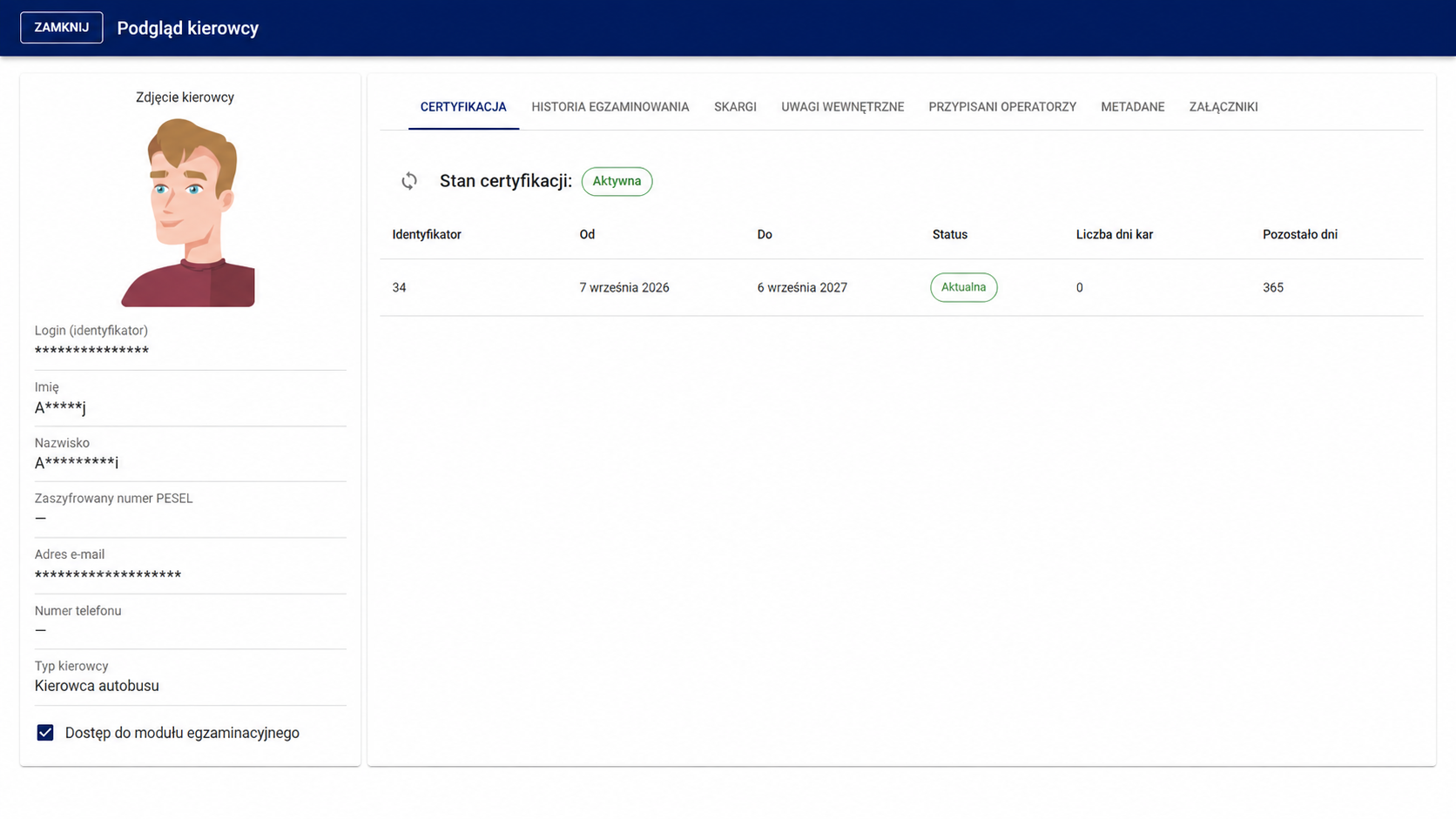
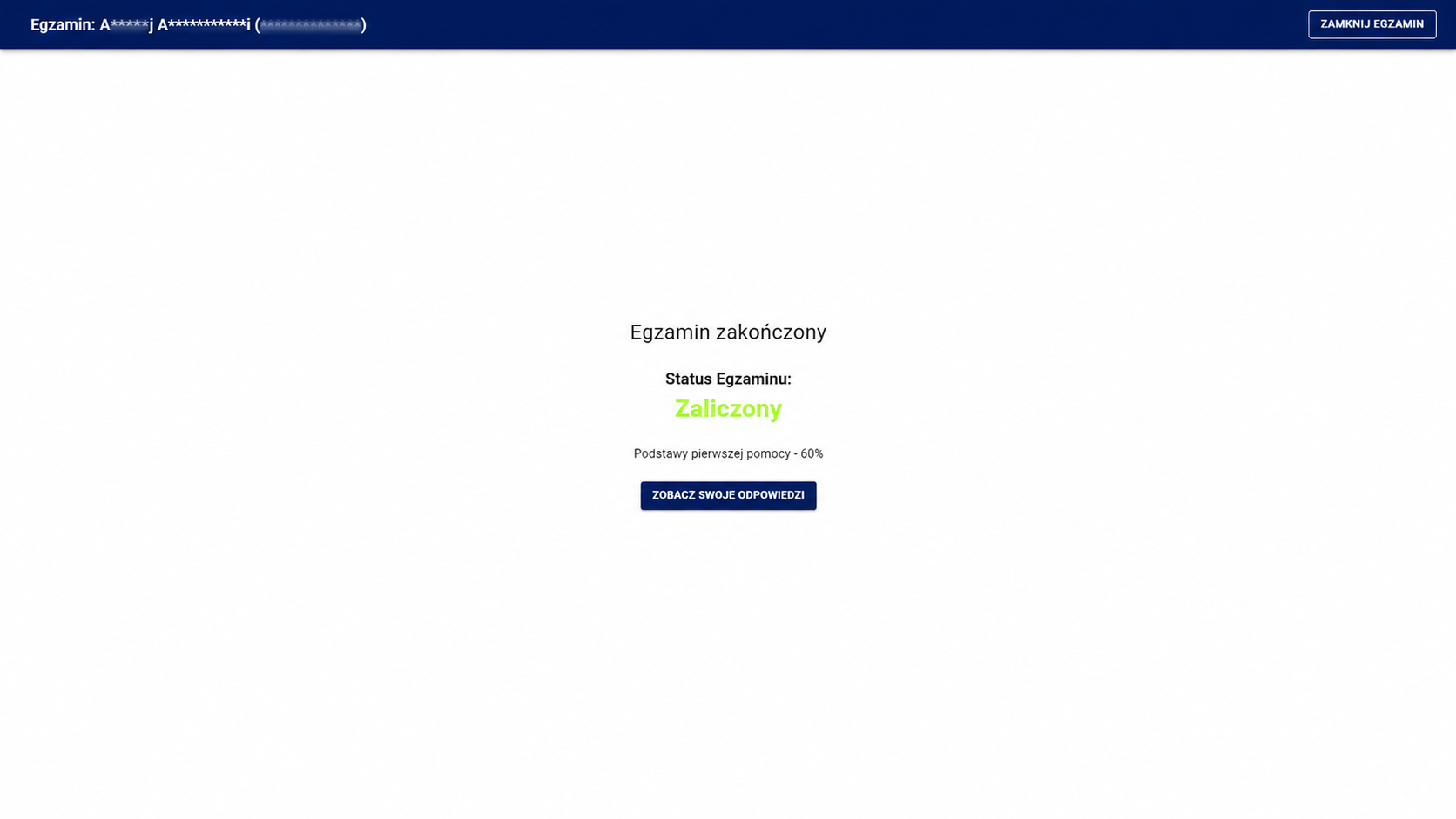
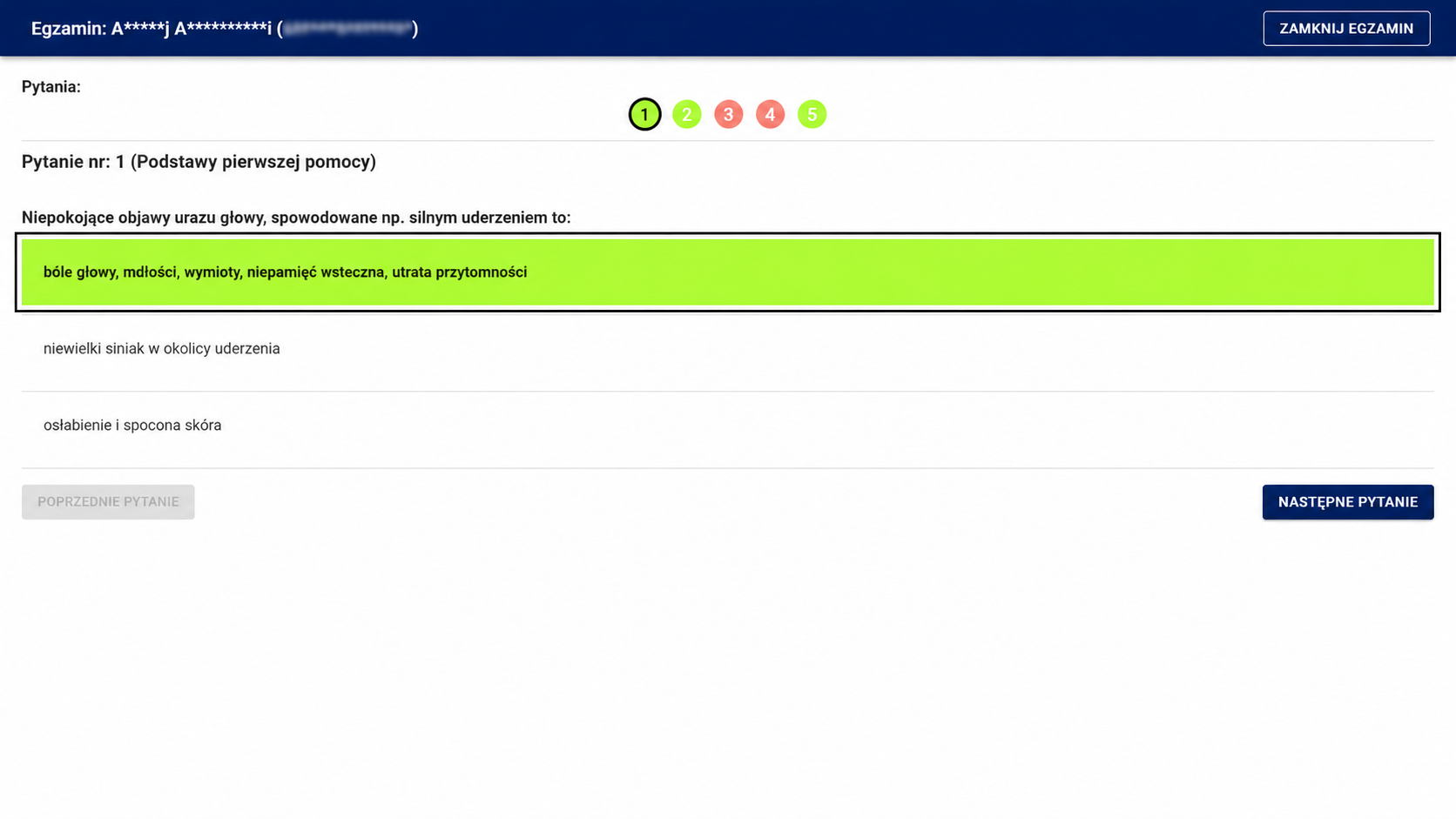
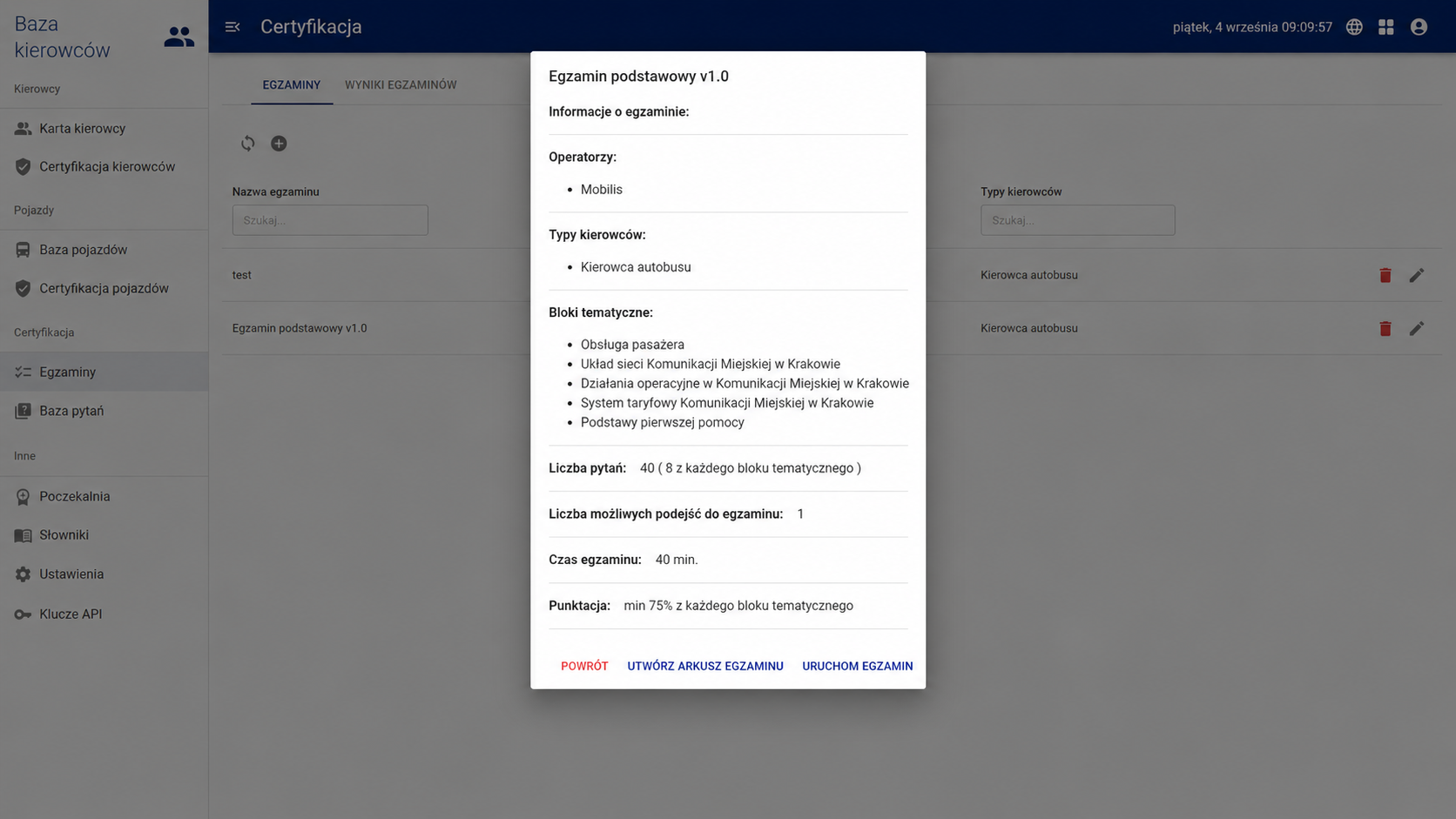
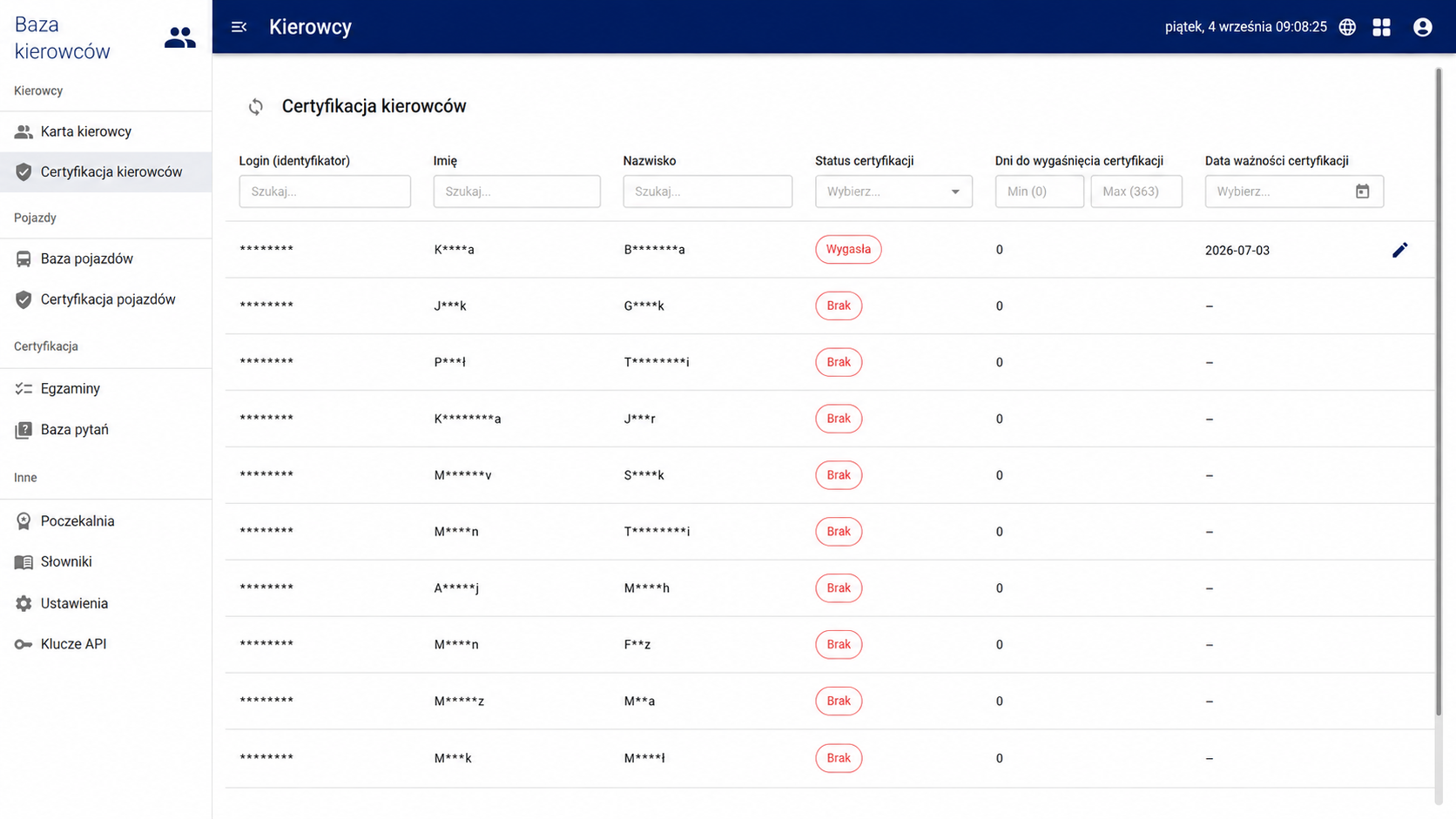
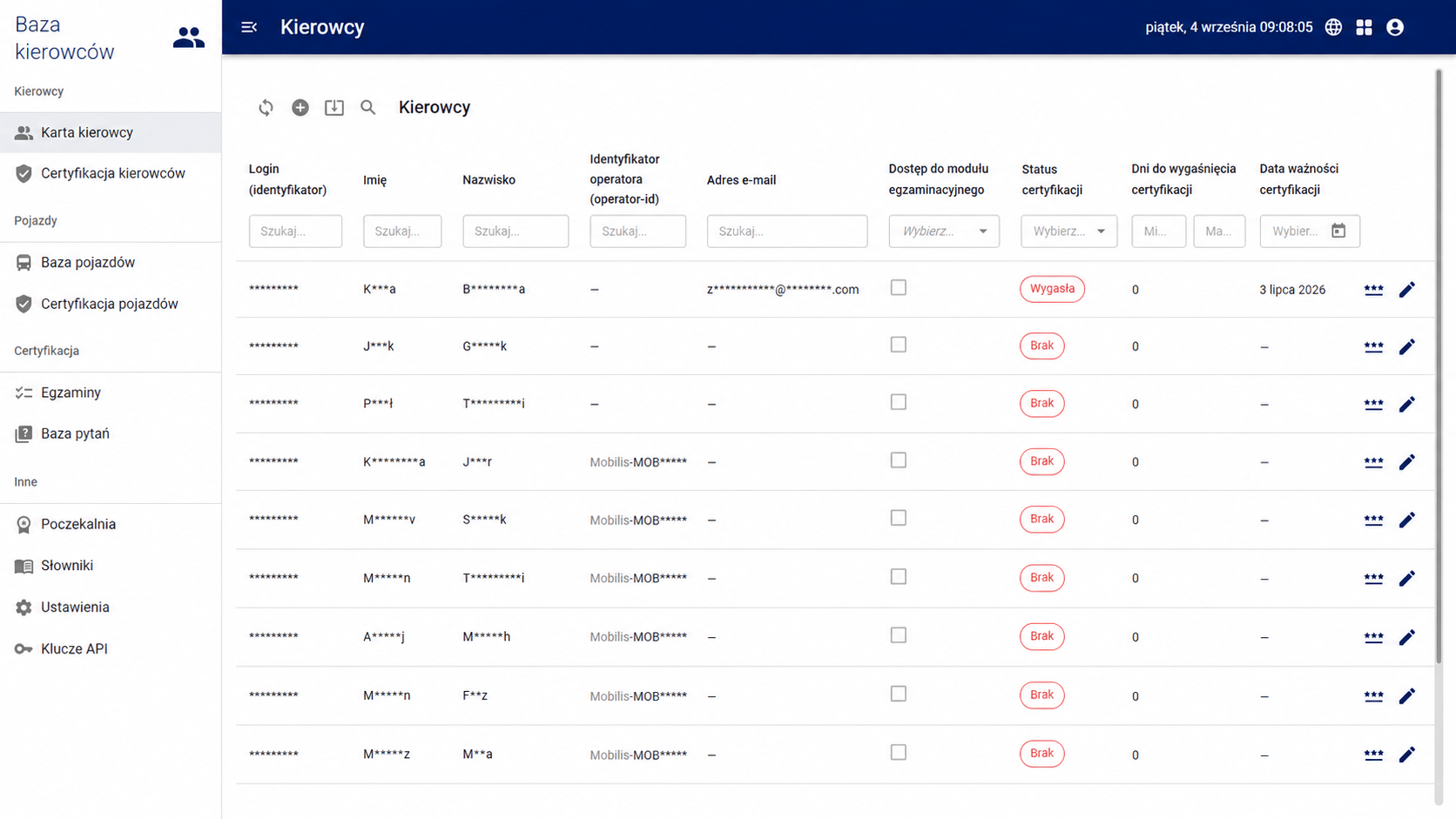
- Driver Examination Module – management of transport authority and operator resources related to drivers and their certification, as well as vehicles and equipment.
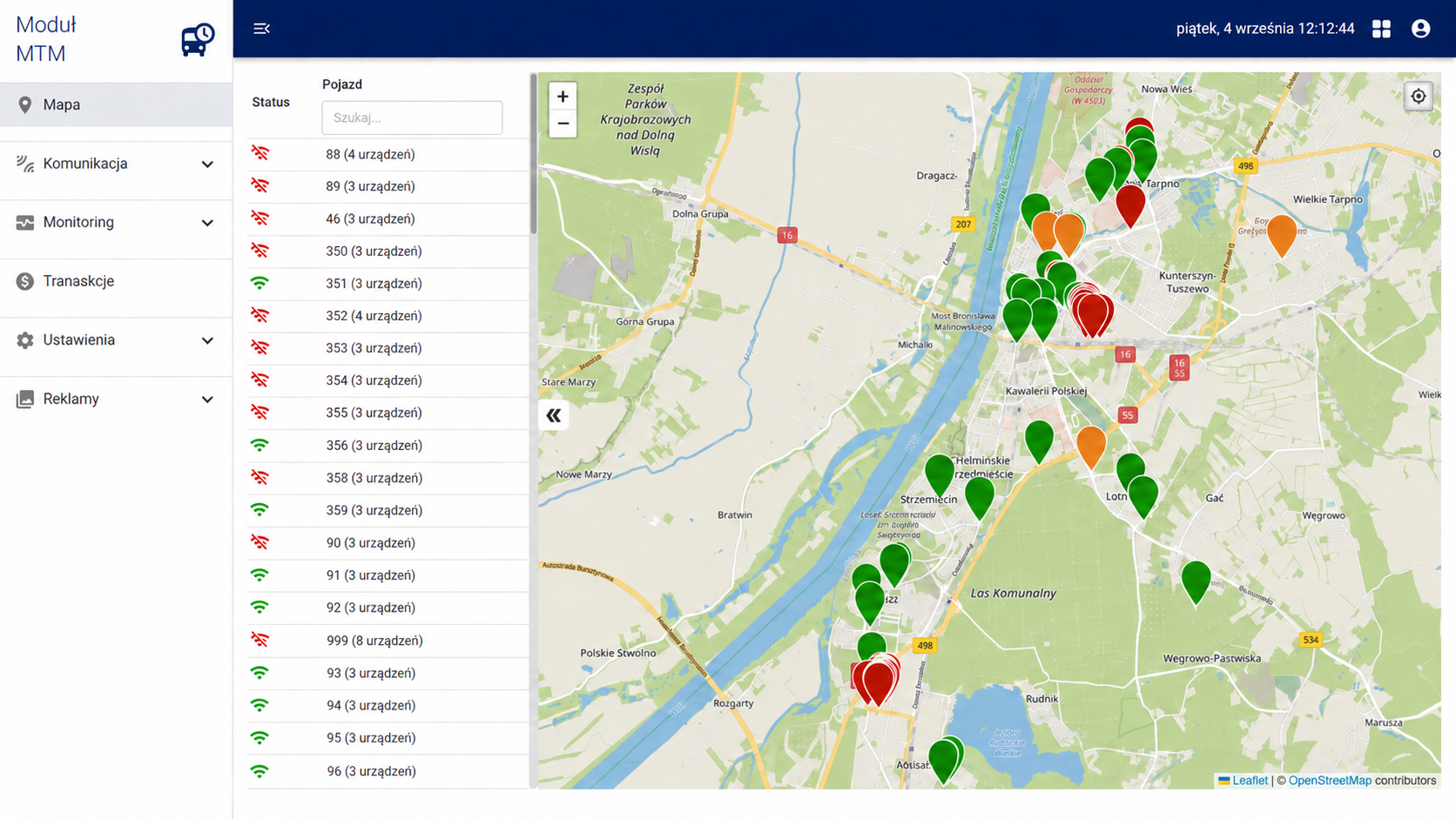
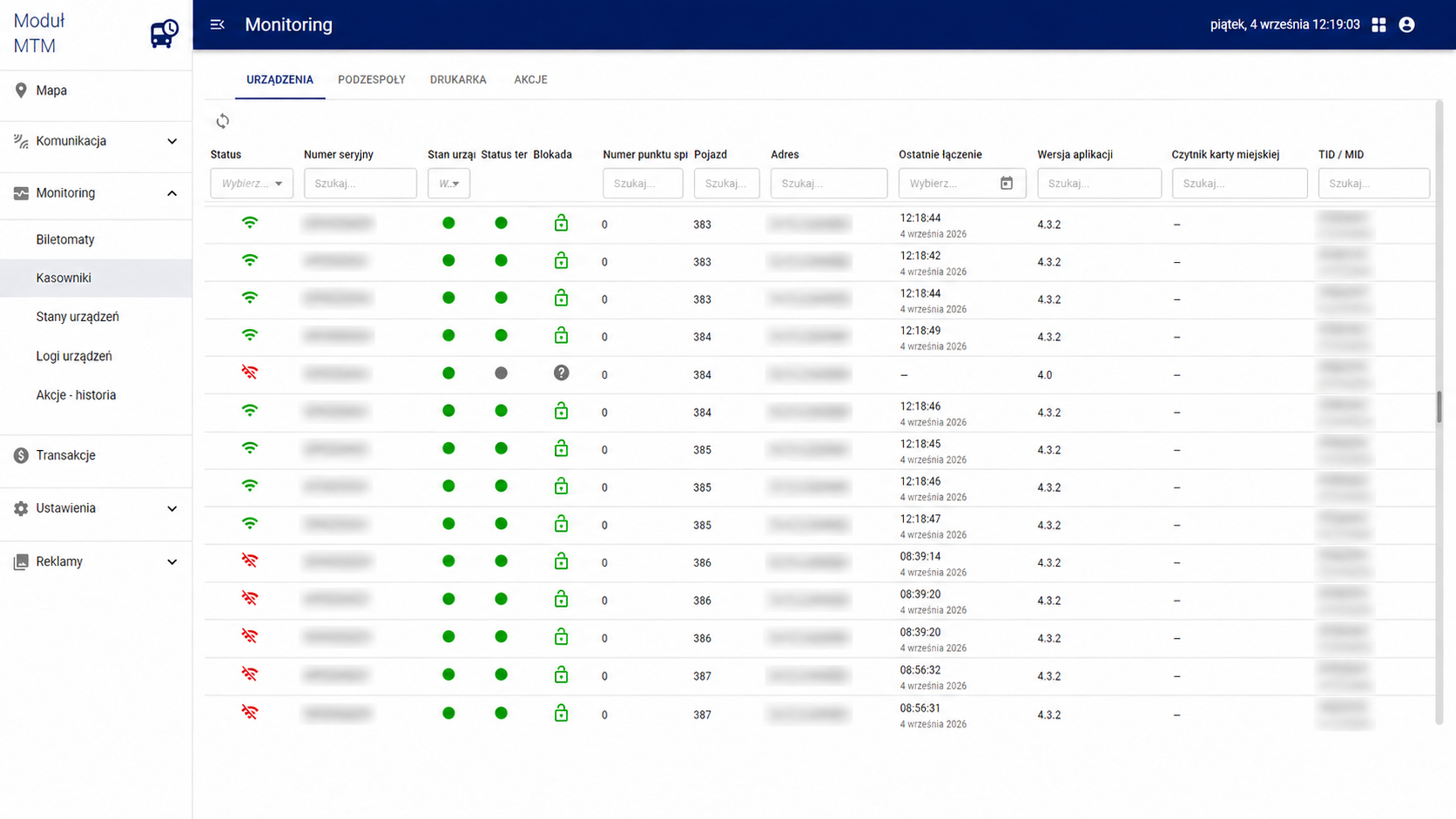
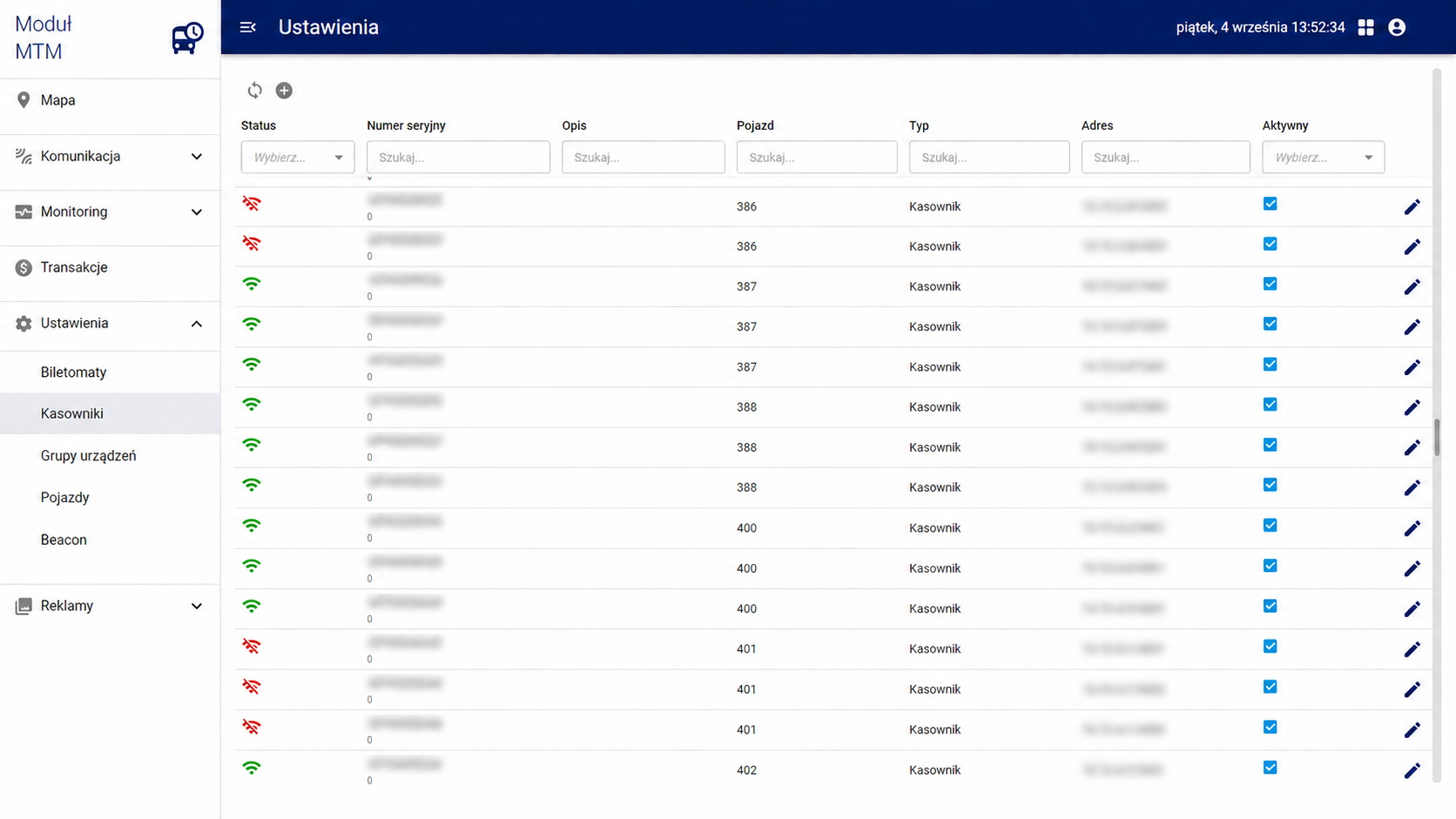
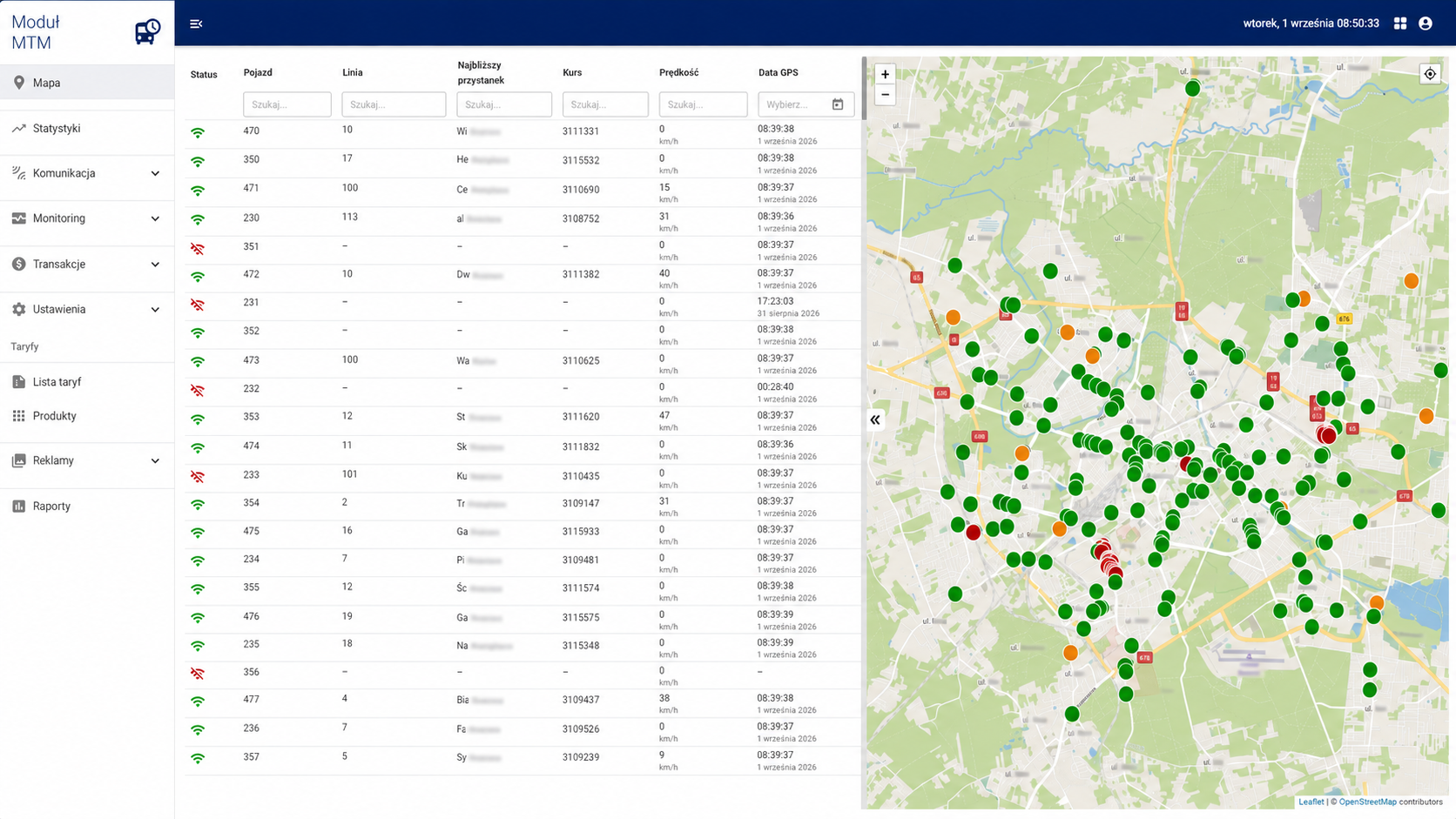
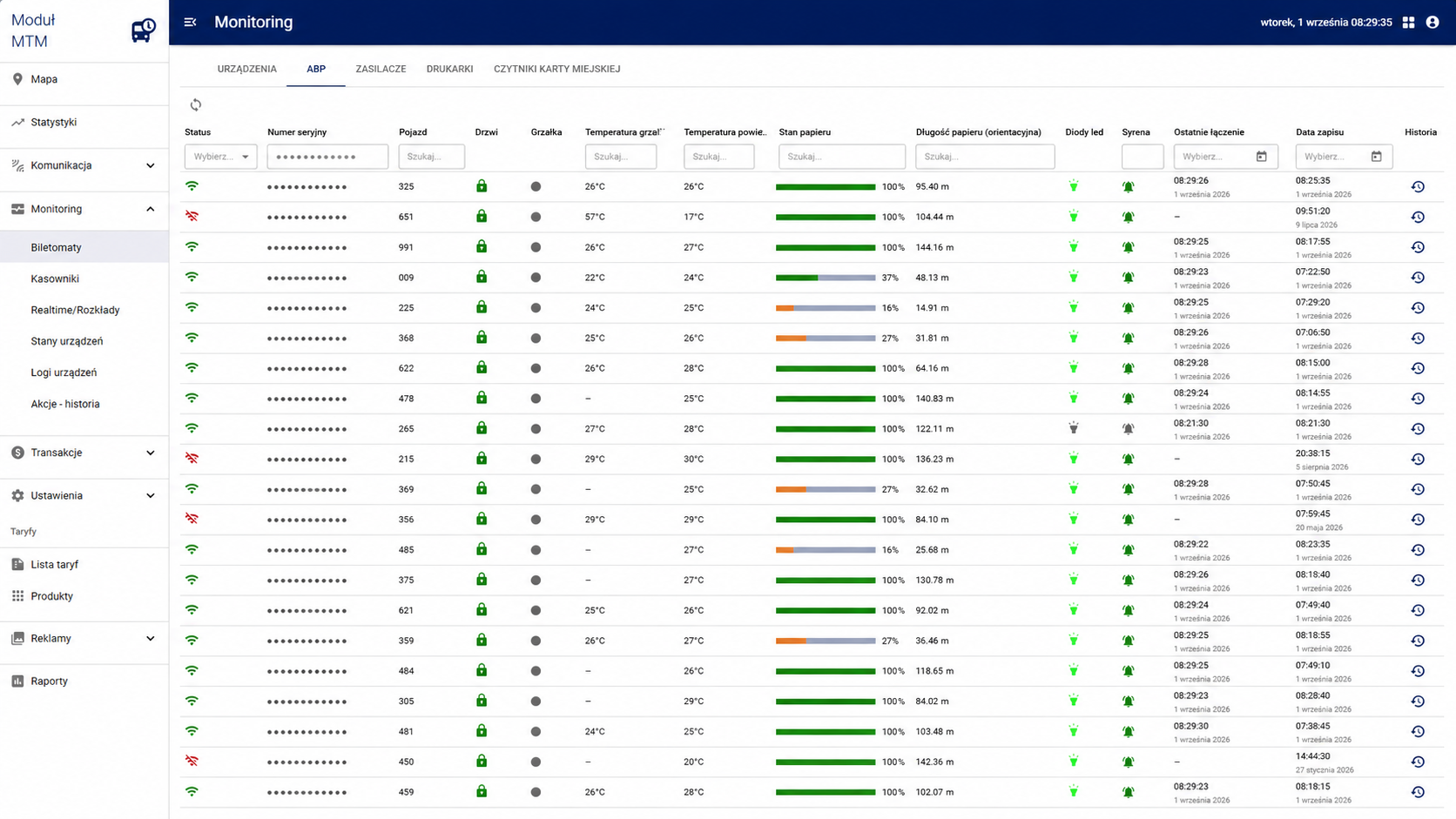
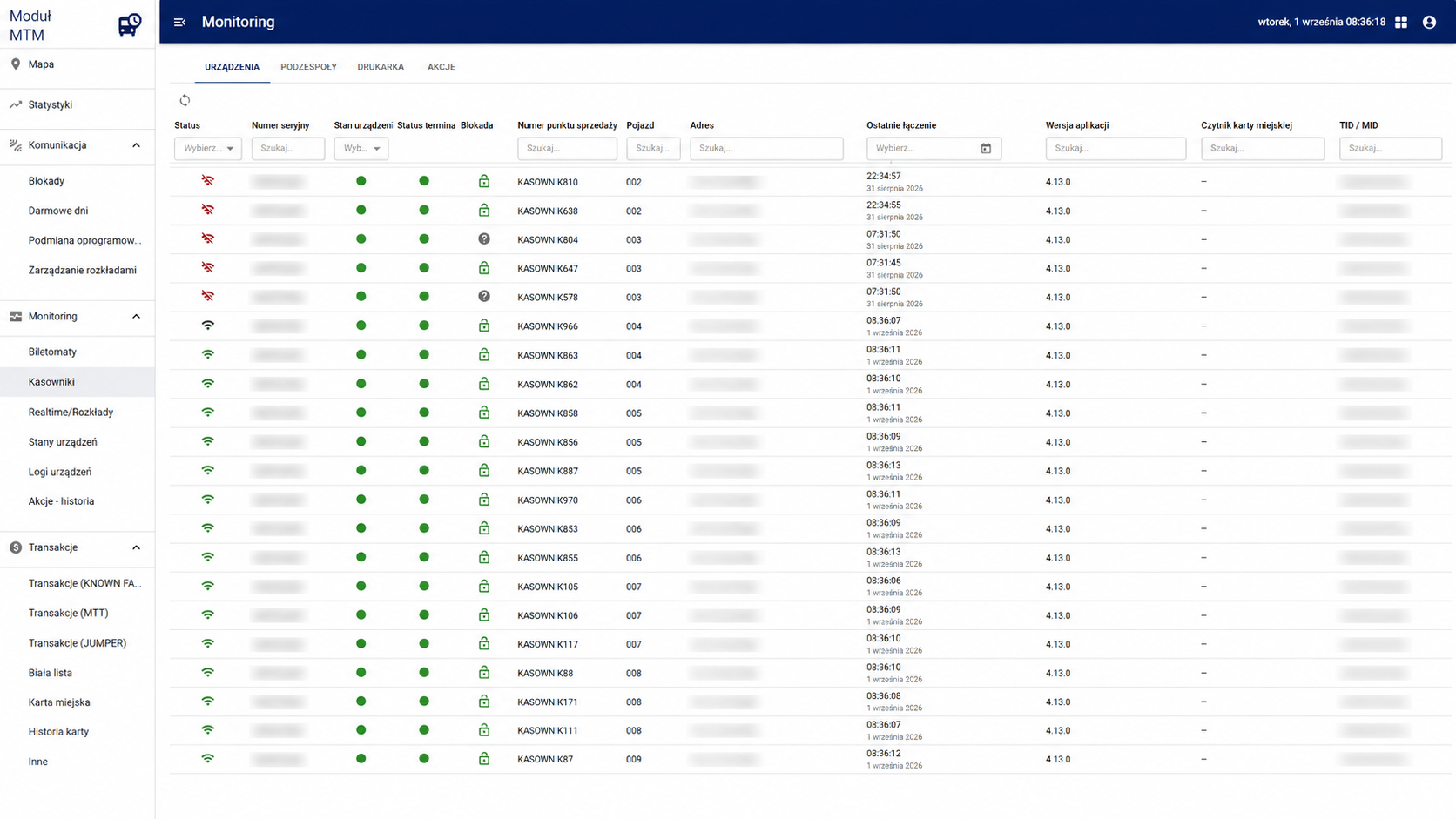
- Central Ticketing Device Management System – MTM – management of ticket vending machines and monitoring of their condition and operational status.
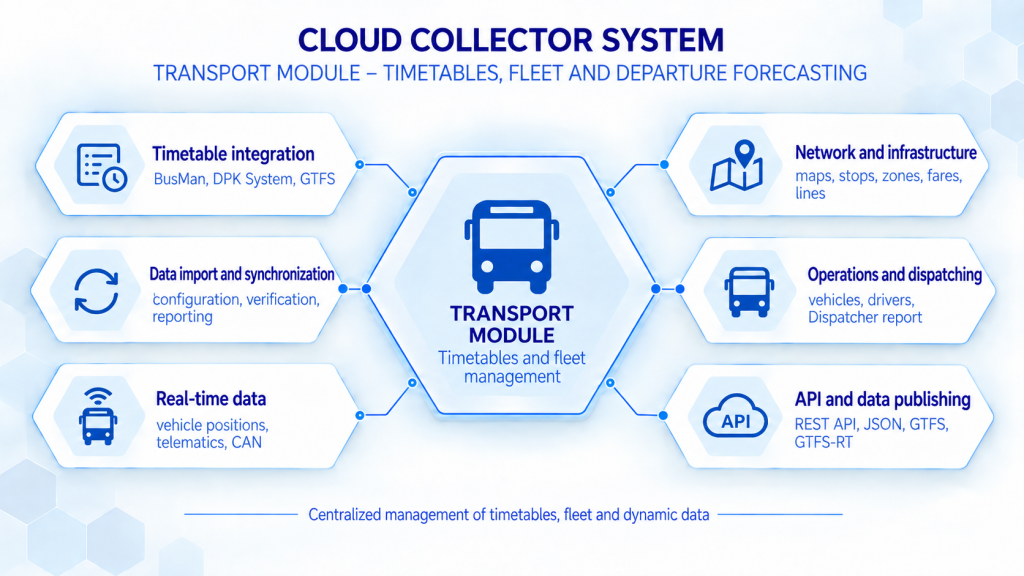
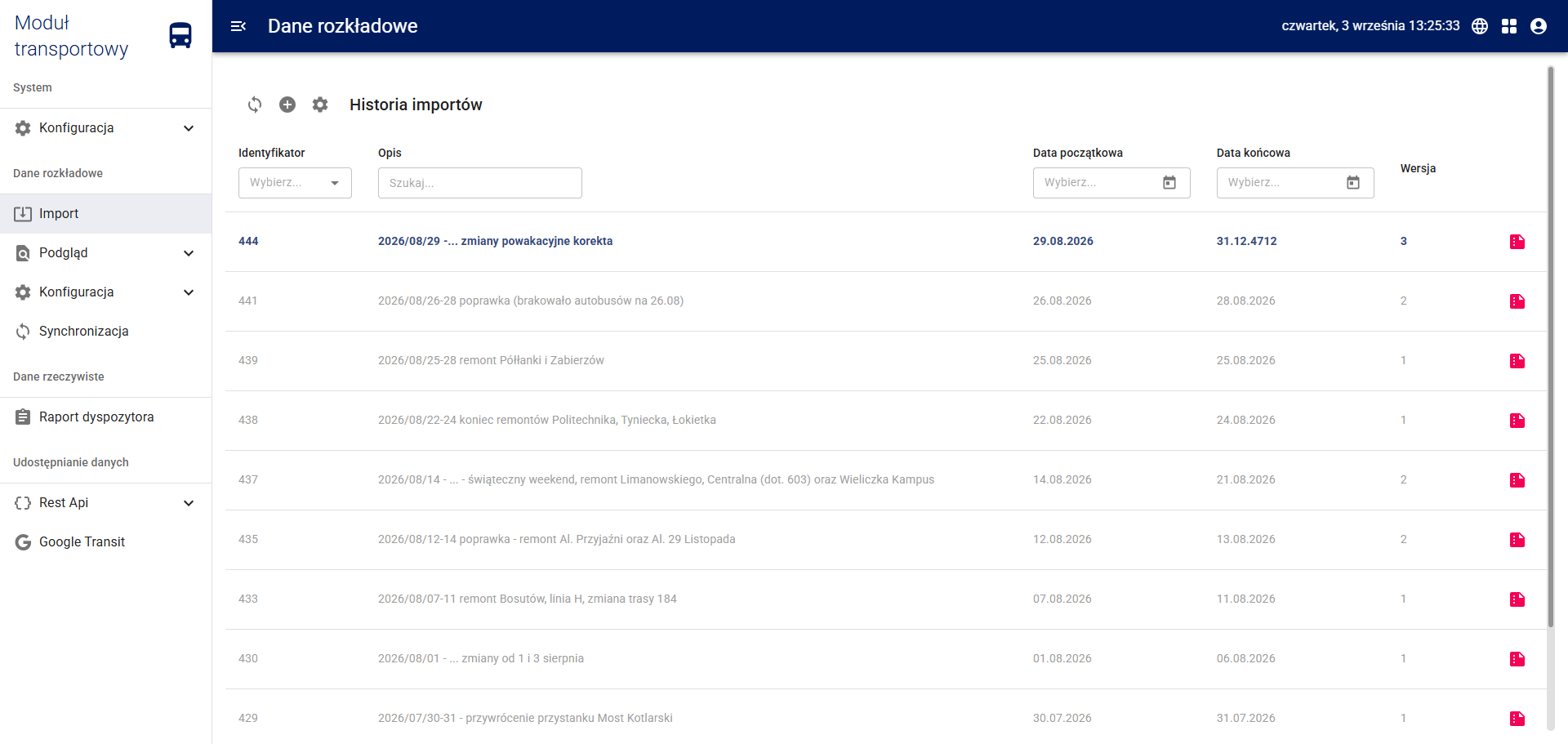
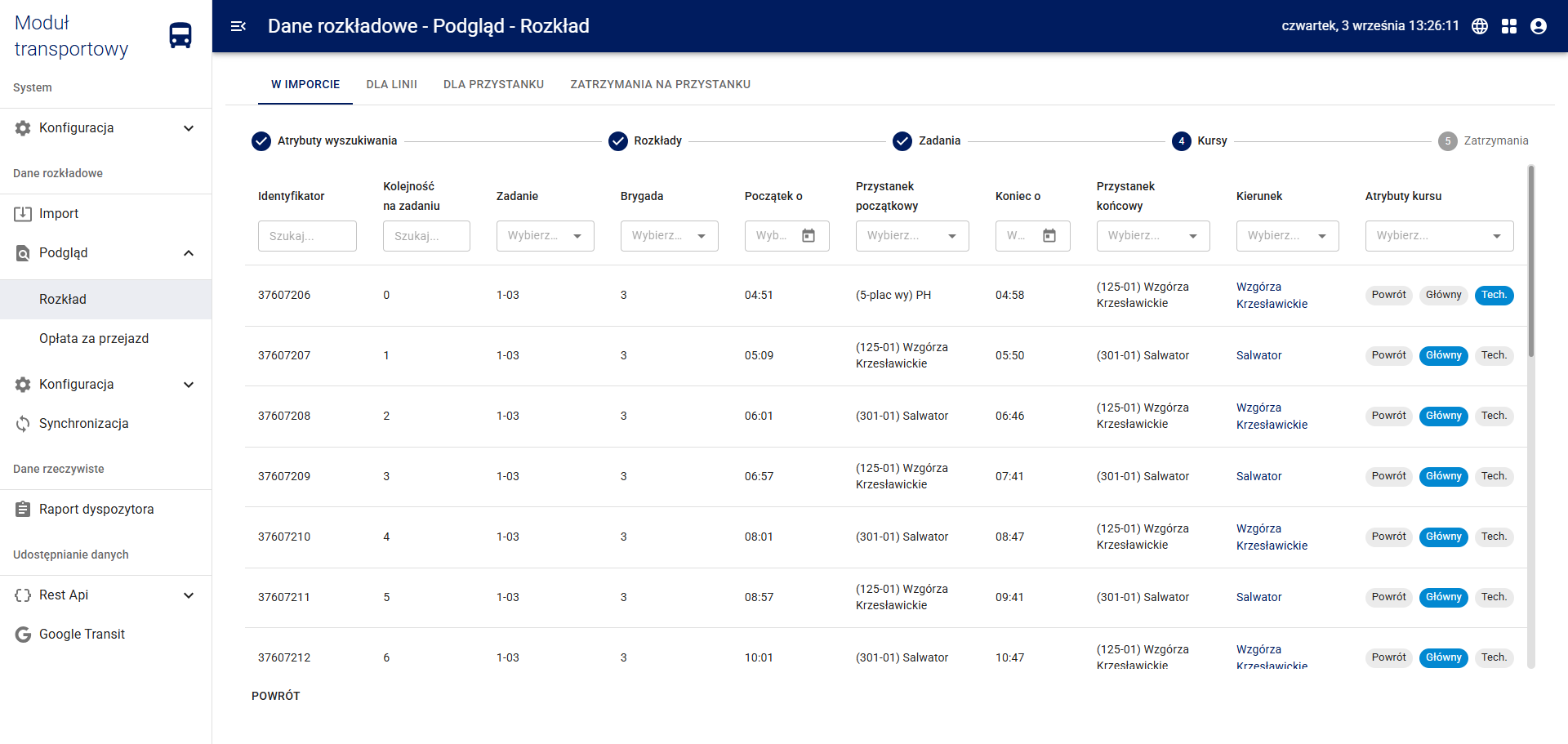
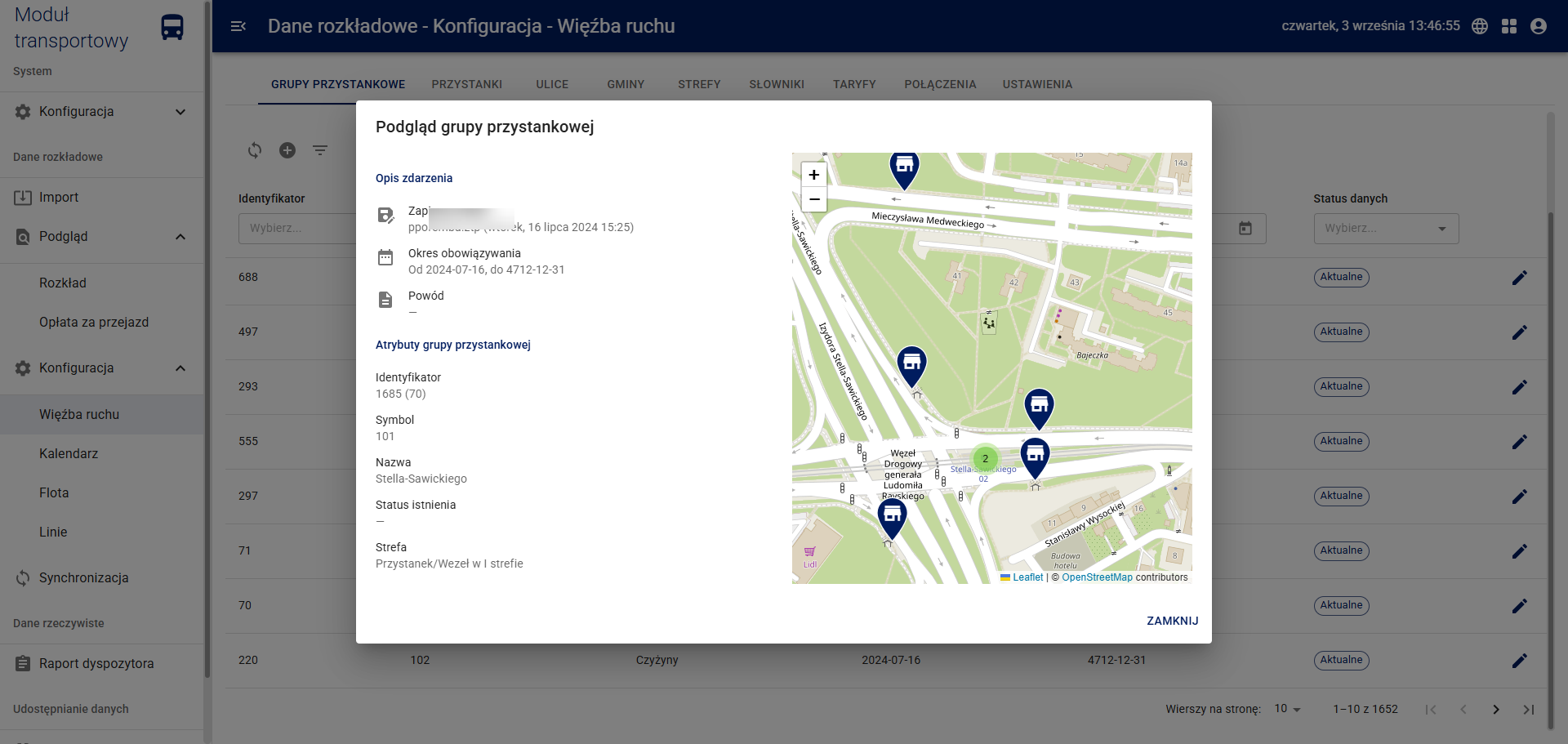
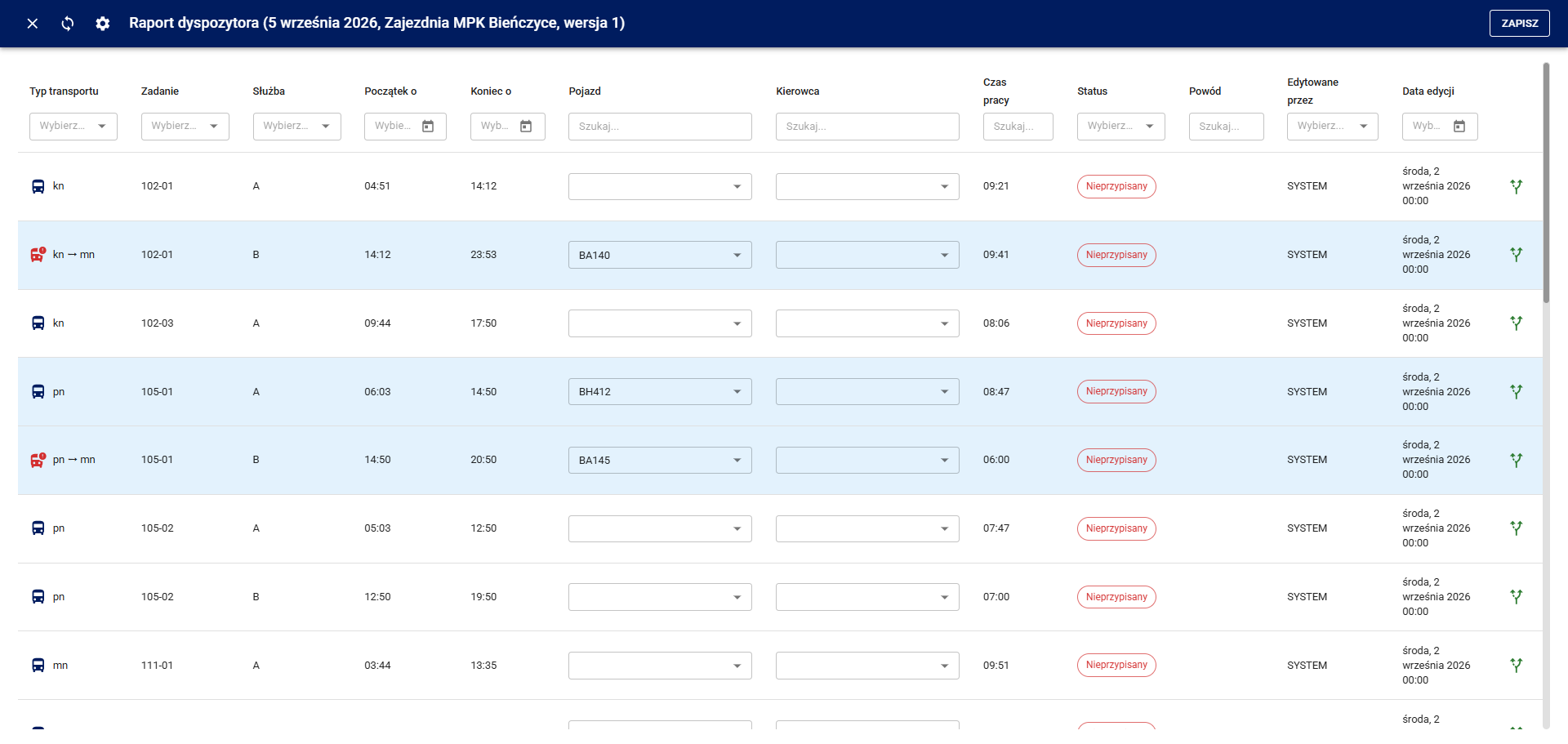
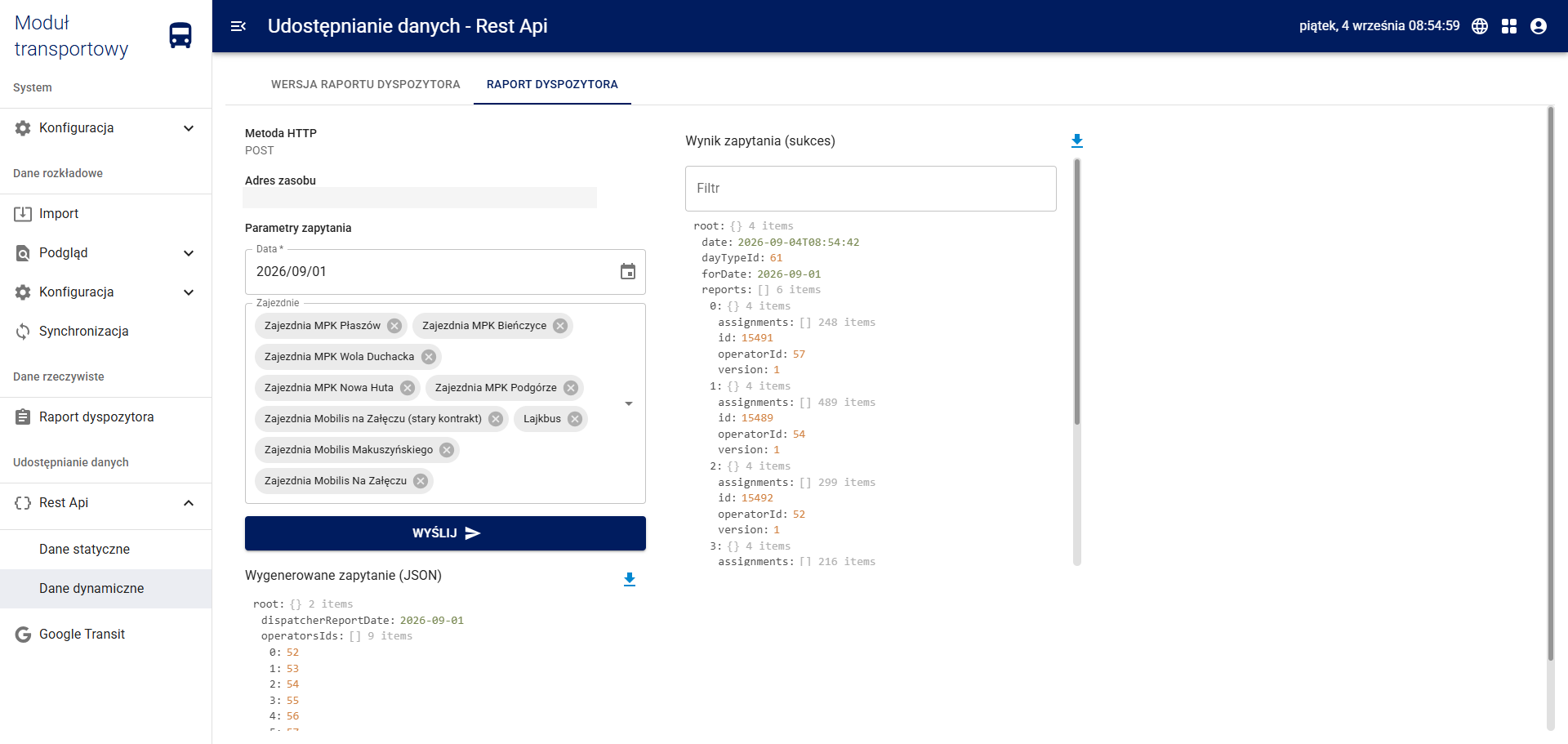
Operational data, including vehicle and driver assignments and task updates, can be managed through the Dispatcher Report or updated based on information received from other systems, such as external dispatching platforms.
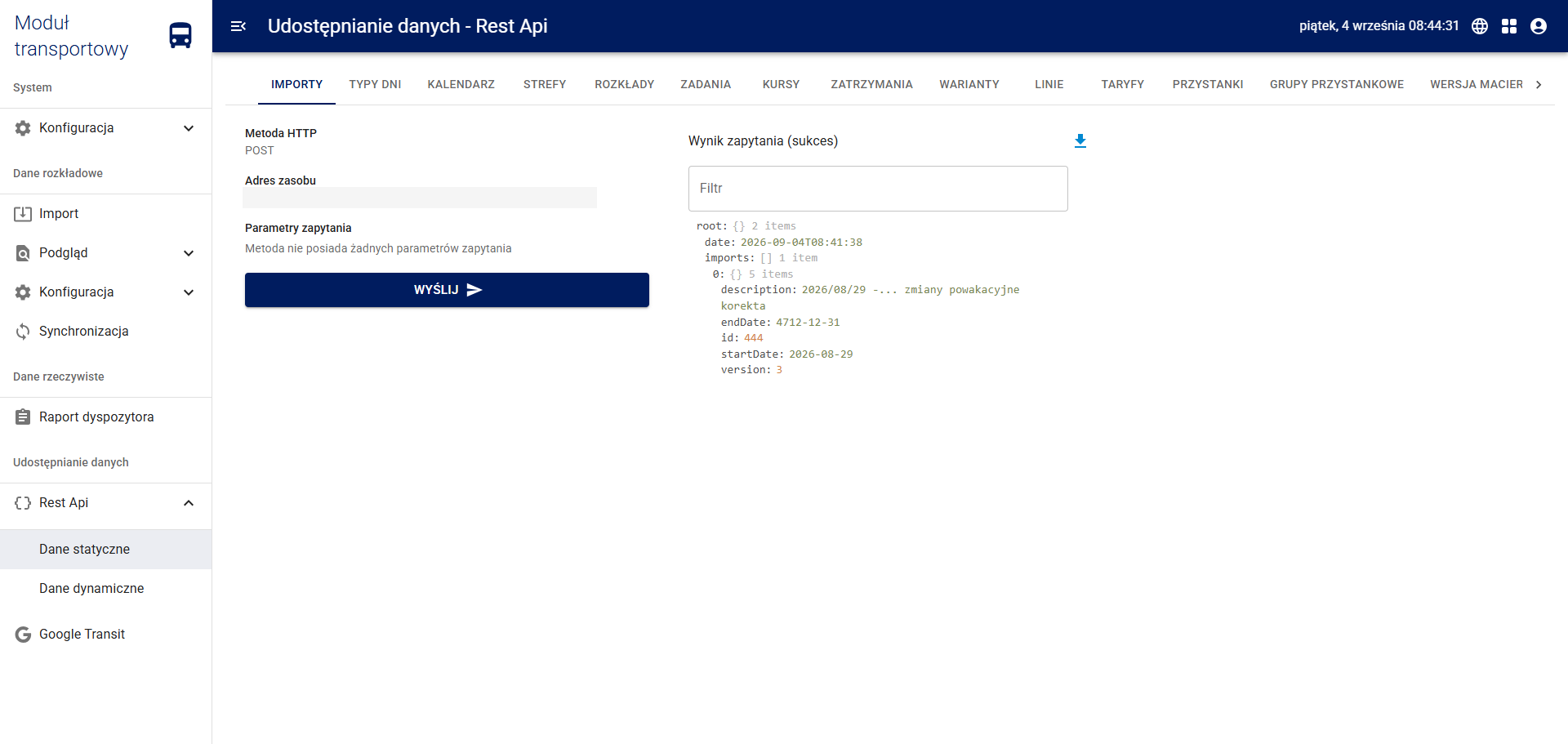
The module provides data to other solutions through a REST API in JSON format, covering both static and dynamic information. It also supports the generation and publication of data in the GTFS and GTFS Realtime (GTFS-RT) standards, used by services such as Google Transit.
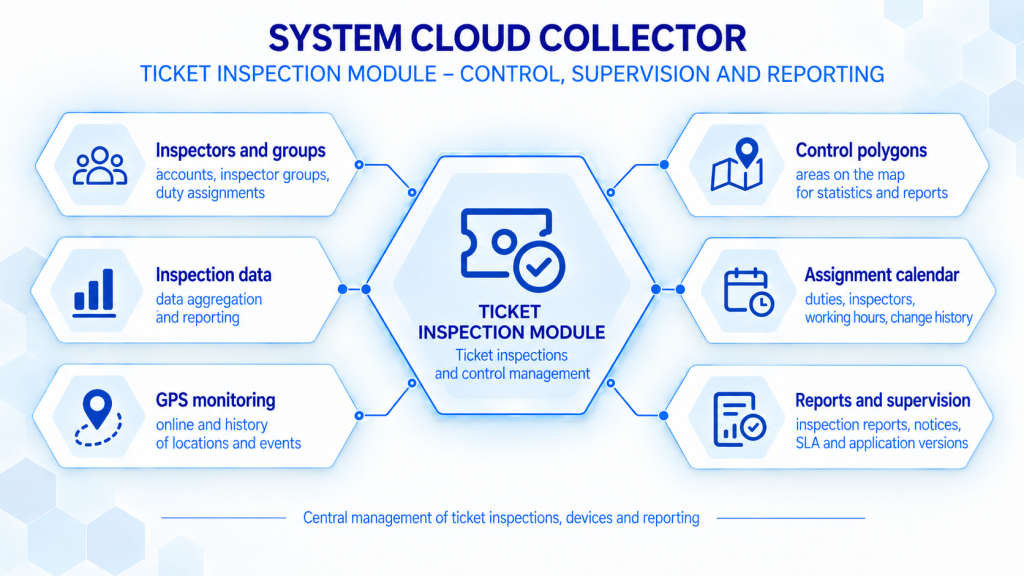
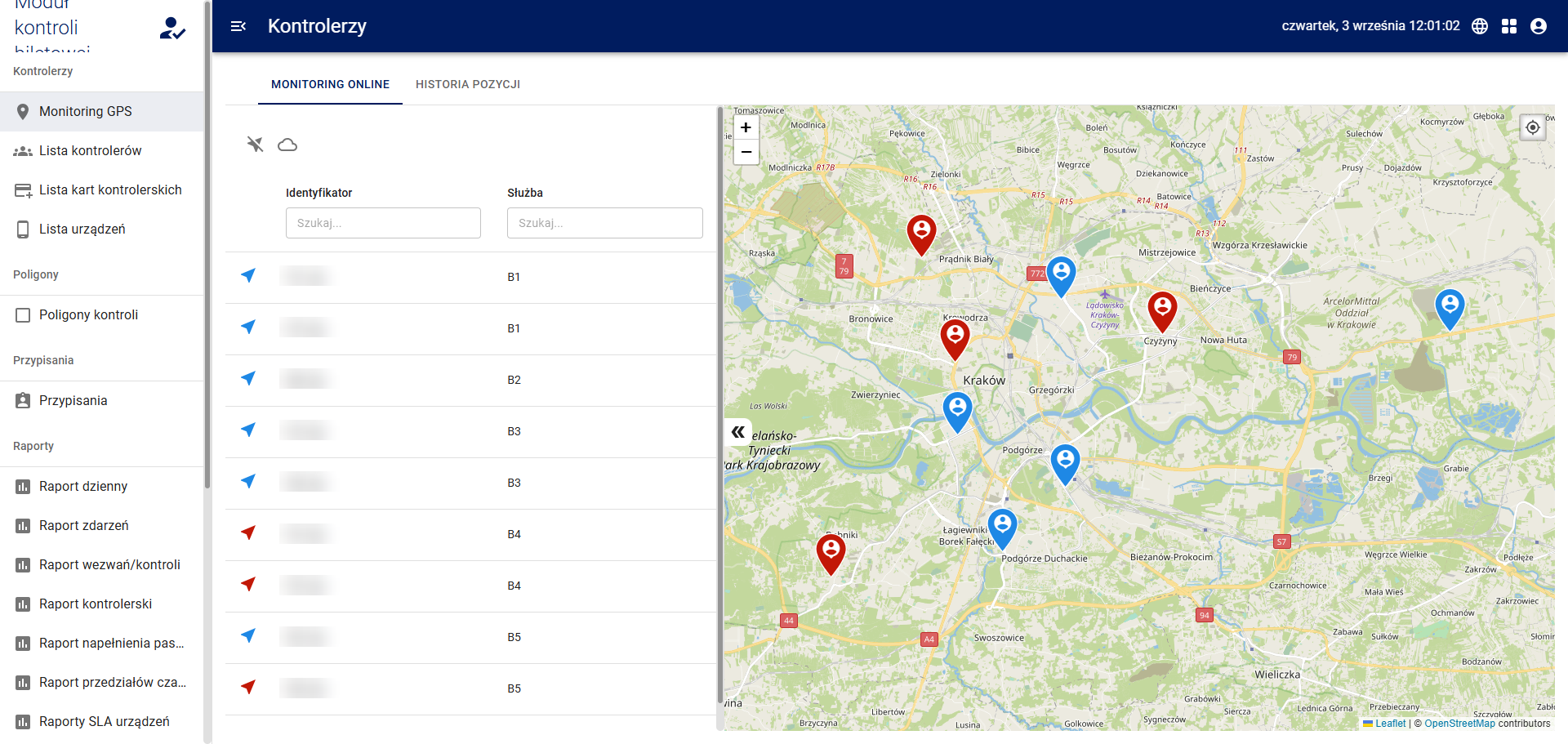
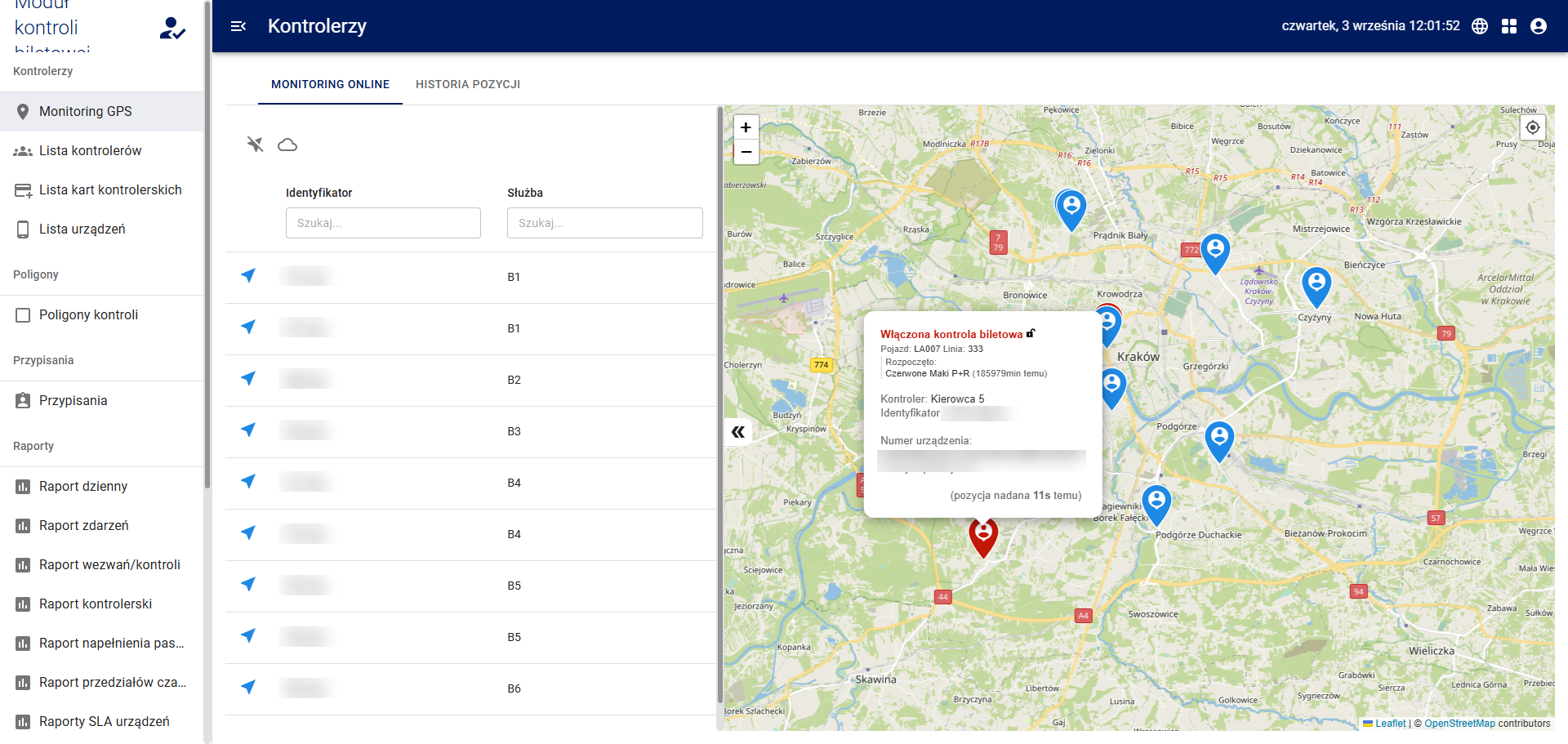
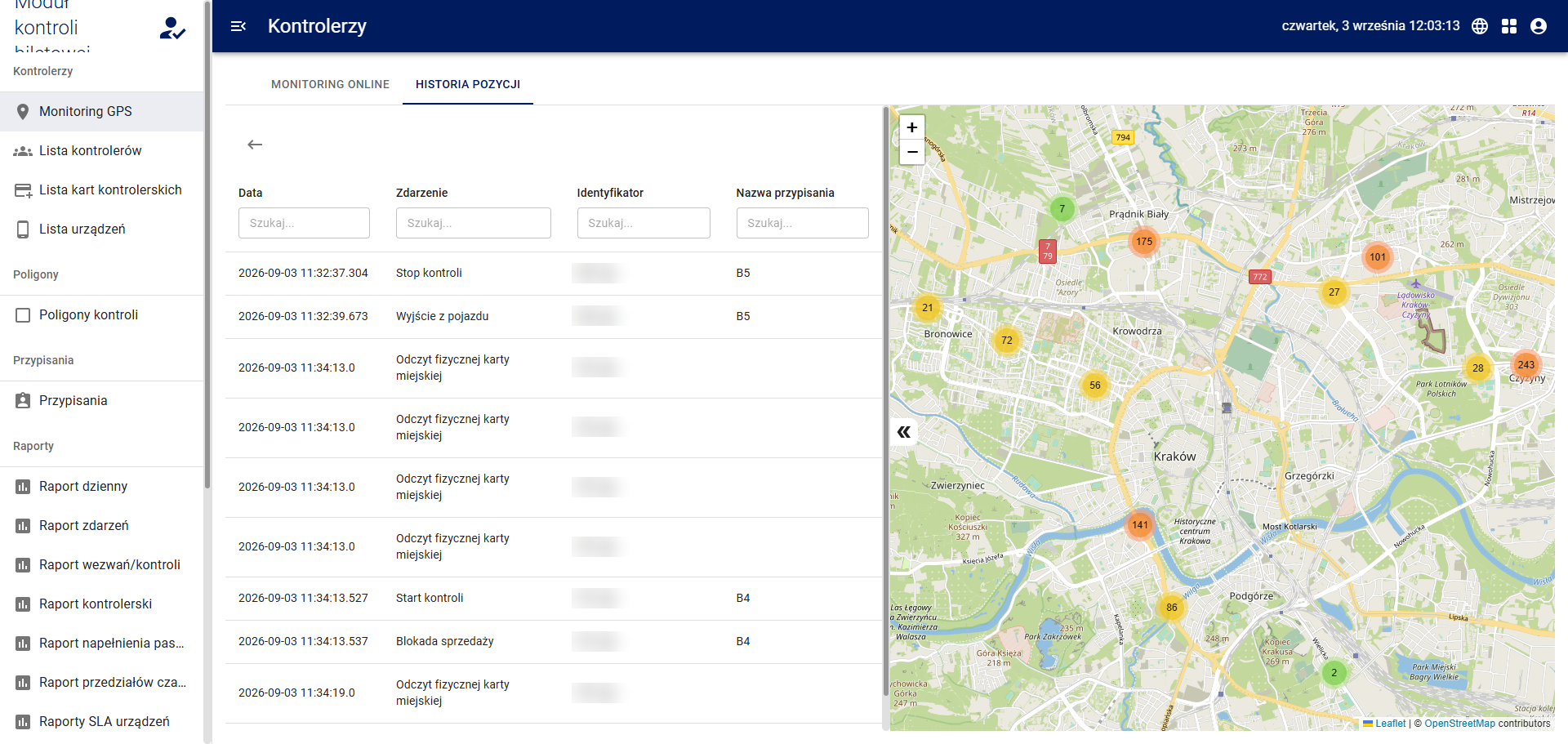
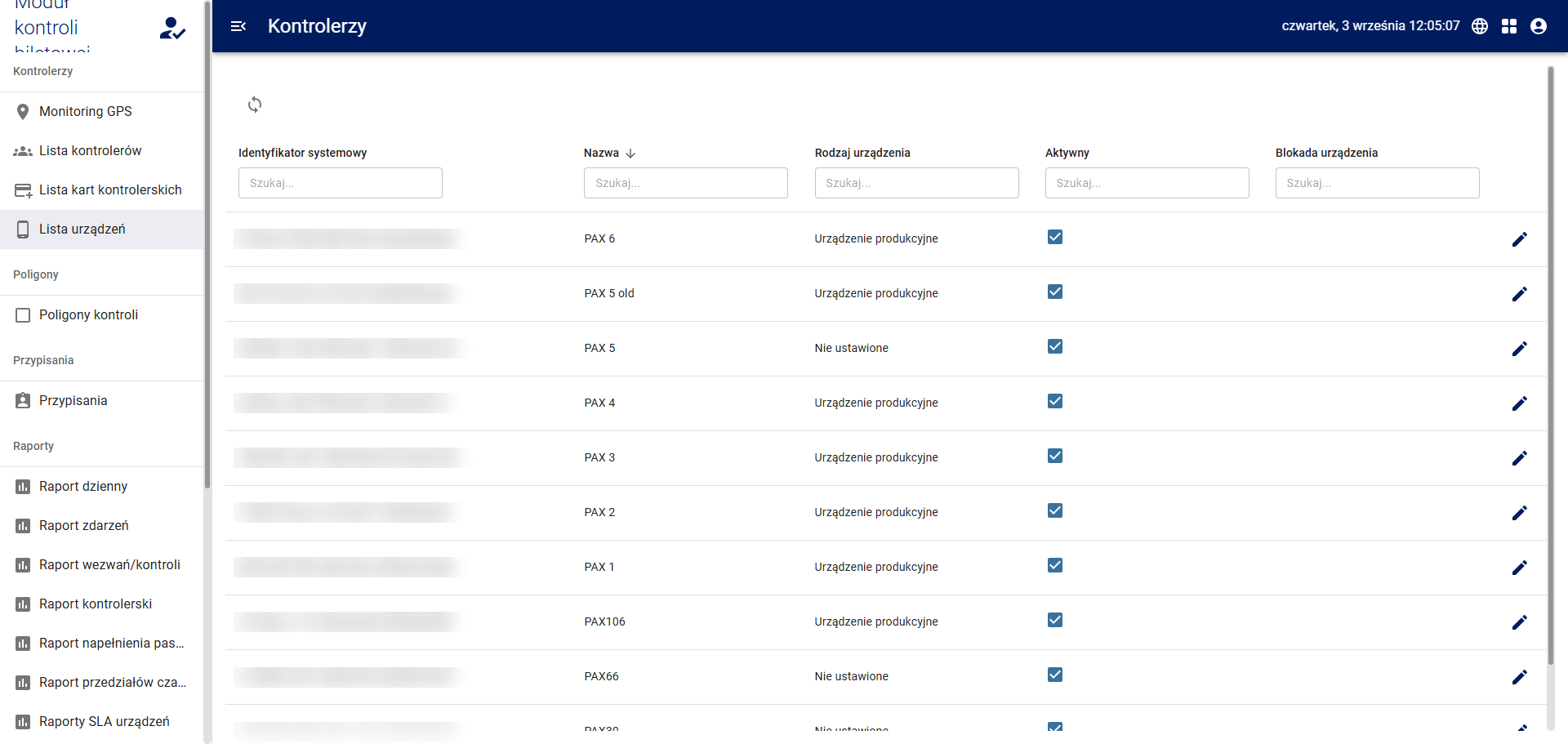
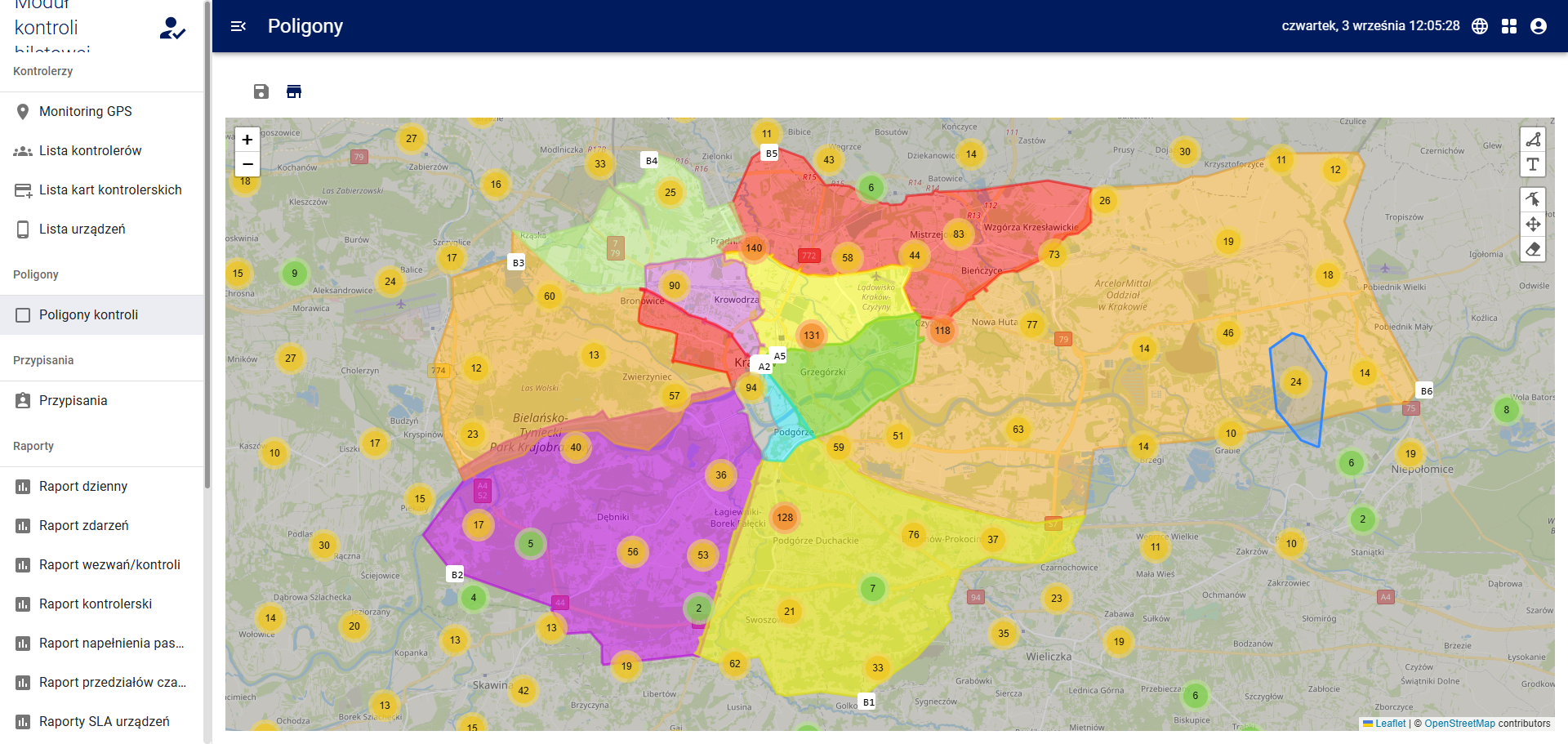
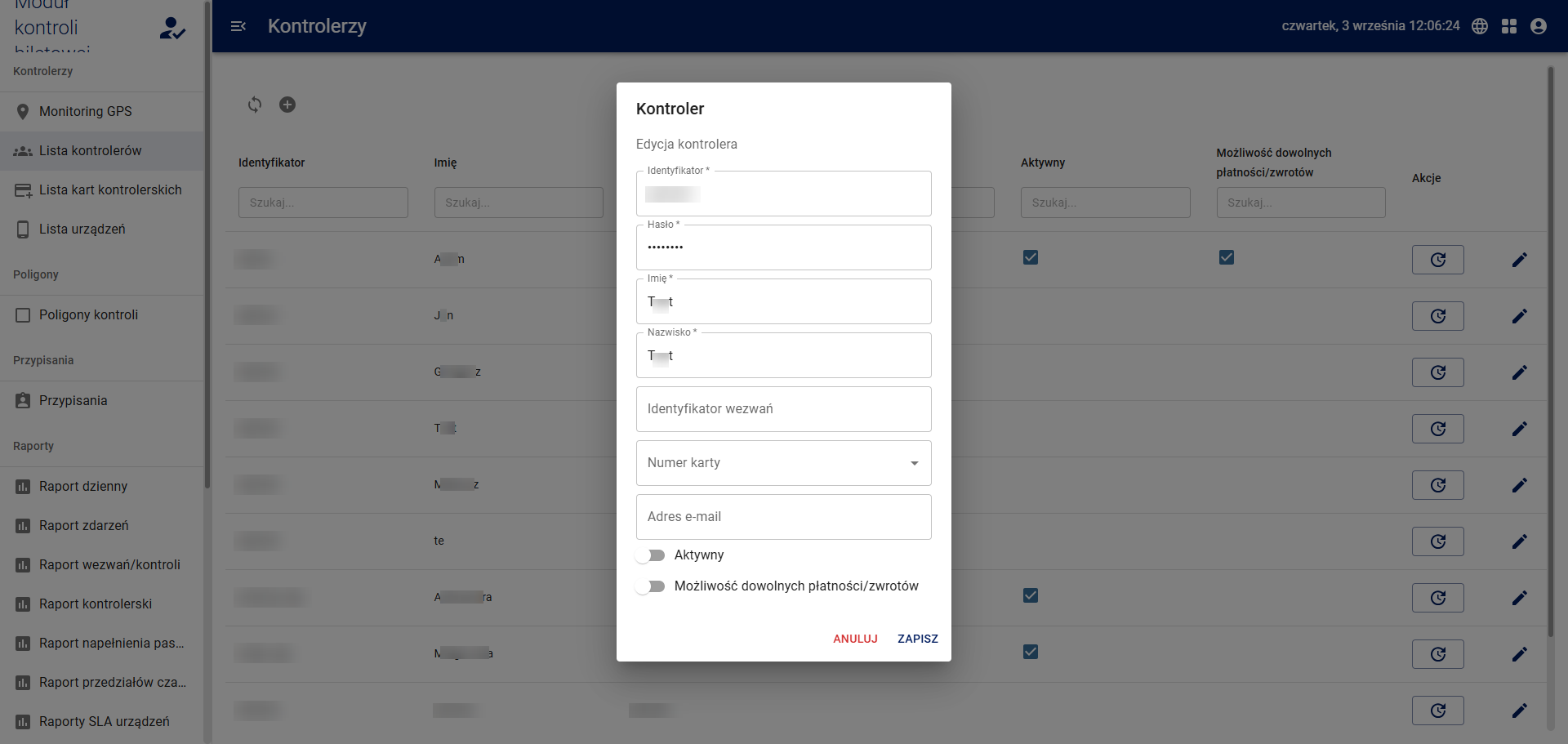
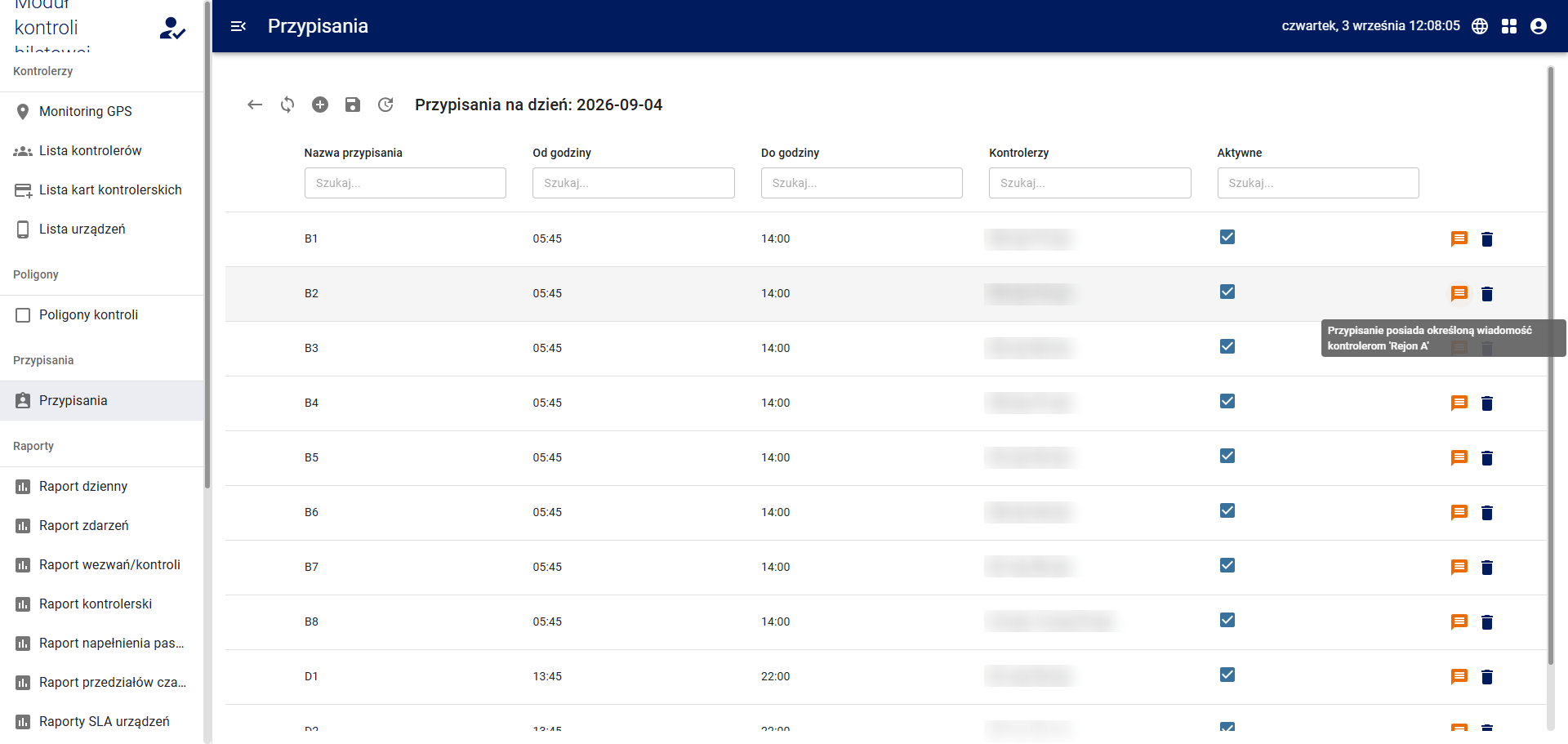
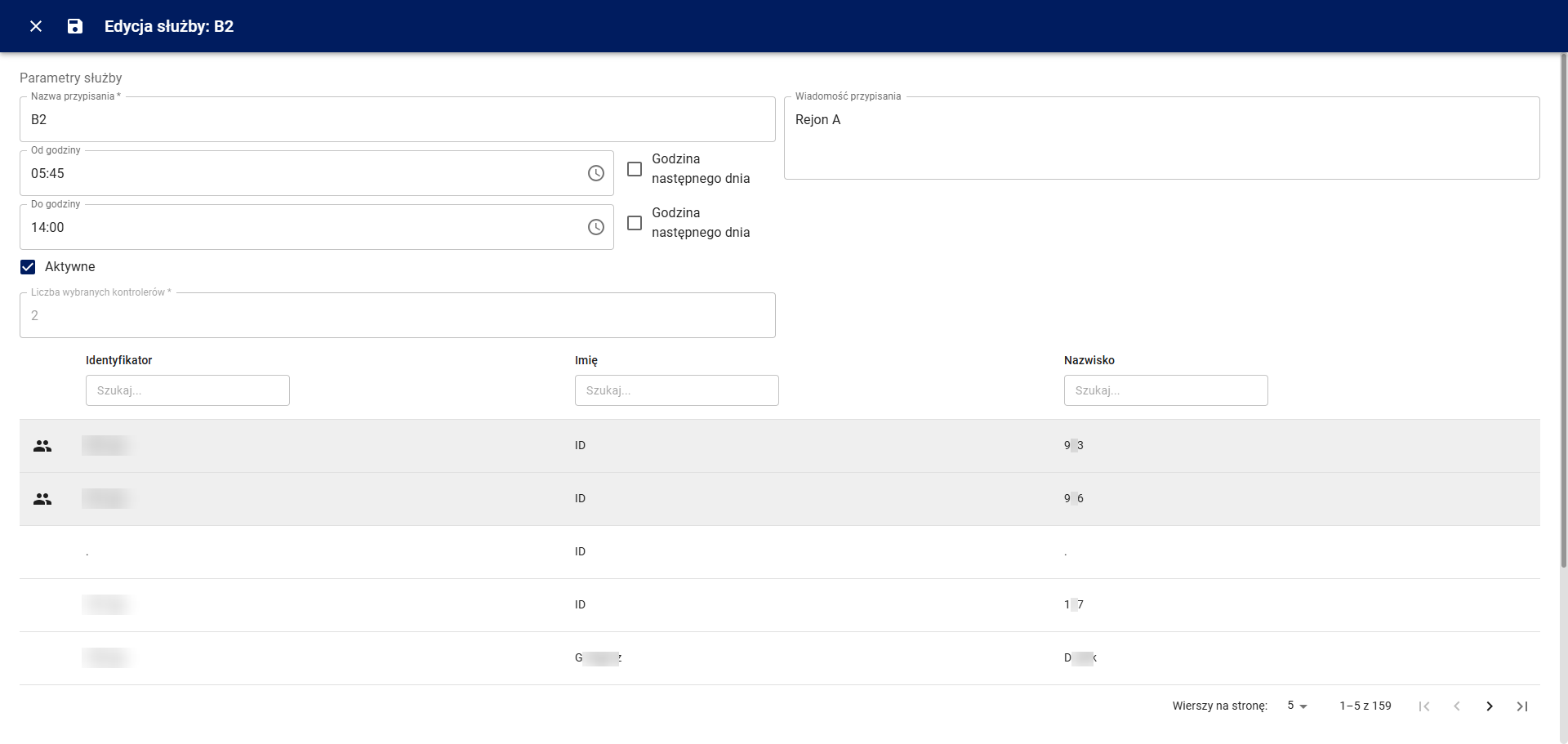
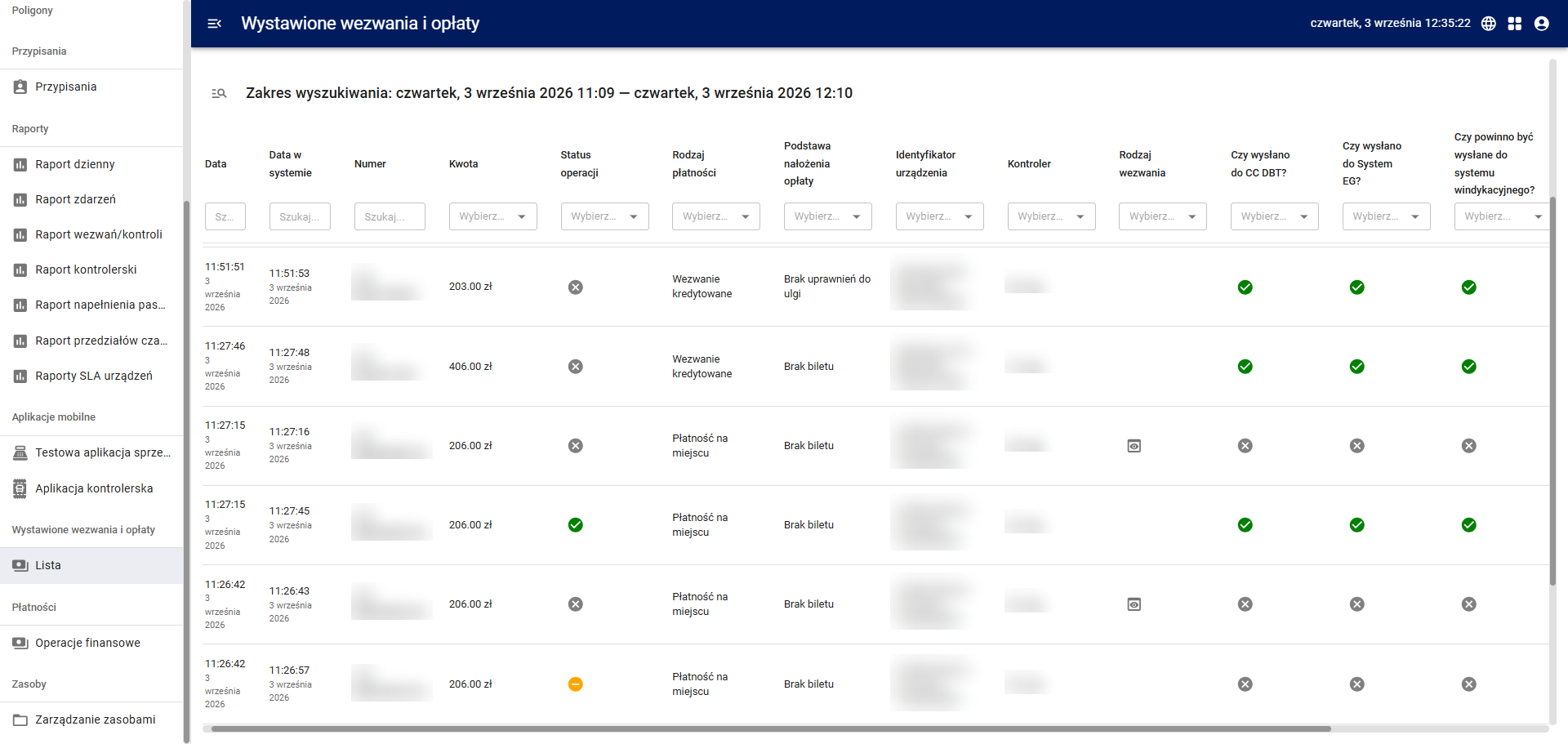
The largest production deployment of the Ticket Inspection Module (CTR), including the issuance of payment notices and the option to pay them on the spot, is currently in operation at the Public Transport Authority in Kraków, with 110 ticket inspection sets in use.
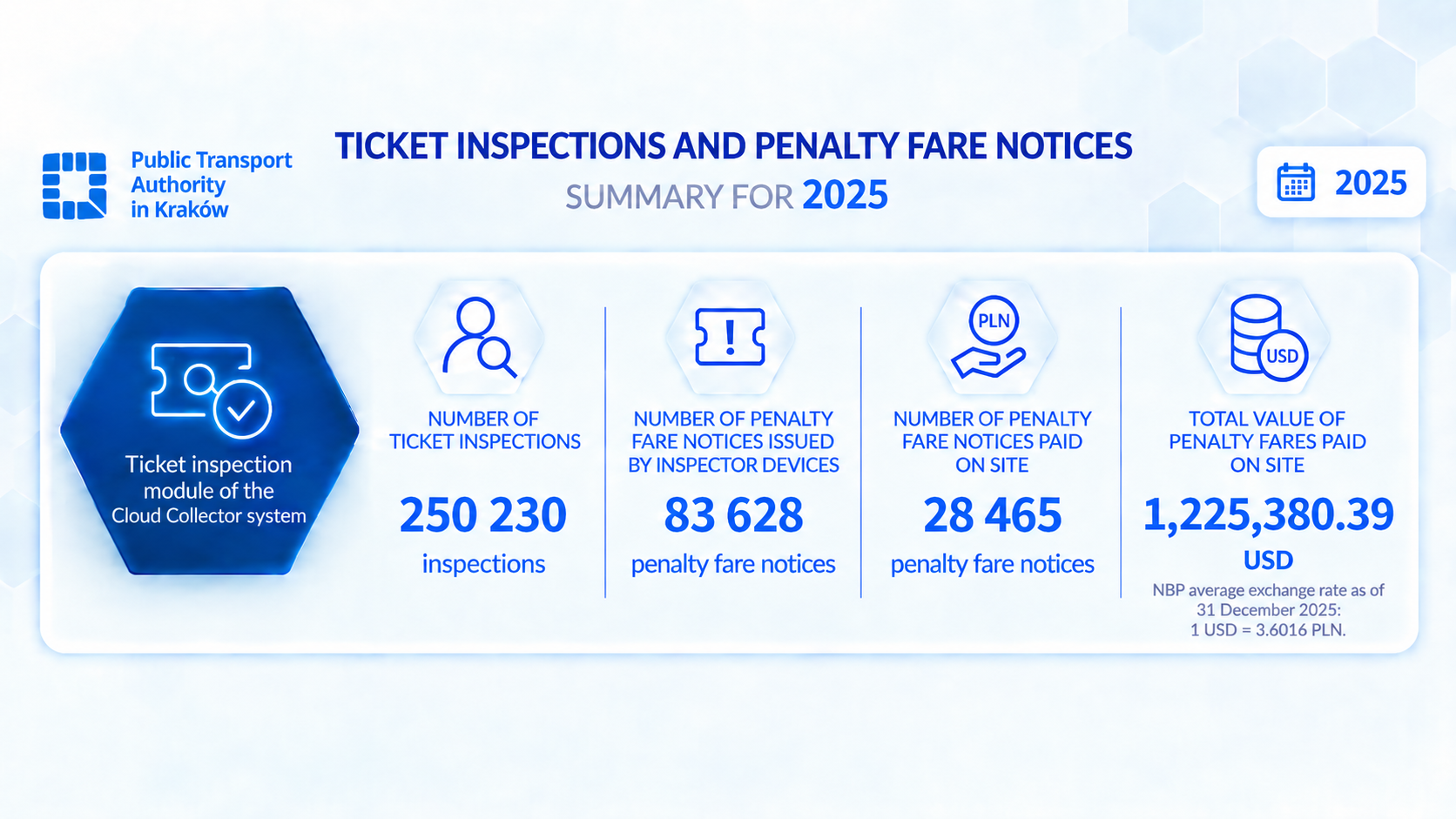
Below, we present ticket inspection statistics for 2025, illustrating the scale of the system’s use by Kraków’s Public Transport Authority.
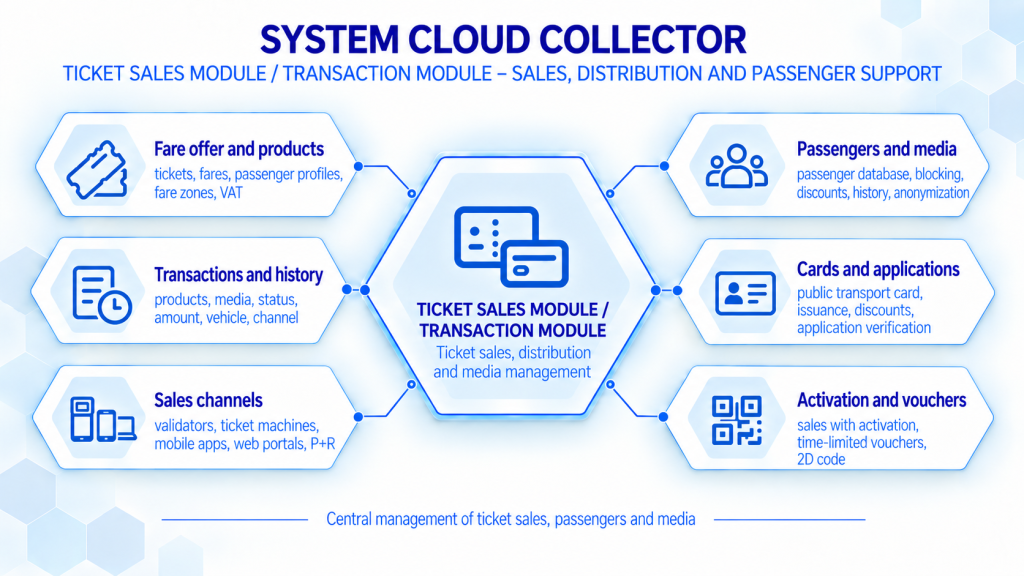
The system maintains a passenger database and supports, among other functions, the merging of duplicate accounts and anonymization of passenger data. It handles various ticket media, including blocking, transaction history, passenger assignment, media types, entitlements and fare concessions, as well as the process of printing physical city cards. The module also supports applications for the issuance of city or passenger cards and applications for fare concessions, together with the processes of verification, approval, and rejection.
Sales may involve tickets intended for later activation or validation, as well as tickets for which purchase and activation take place simultaneously.
The module also enables the creation of travel vouchers valid for any predefined period, for example during a two-day sporting event, or for a specified duration counted from the moment of activation, such as three days. Once activated, the voucher is converted into a 2D code that the passenger presents during ticket inspection.
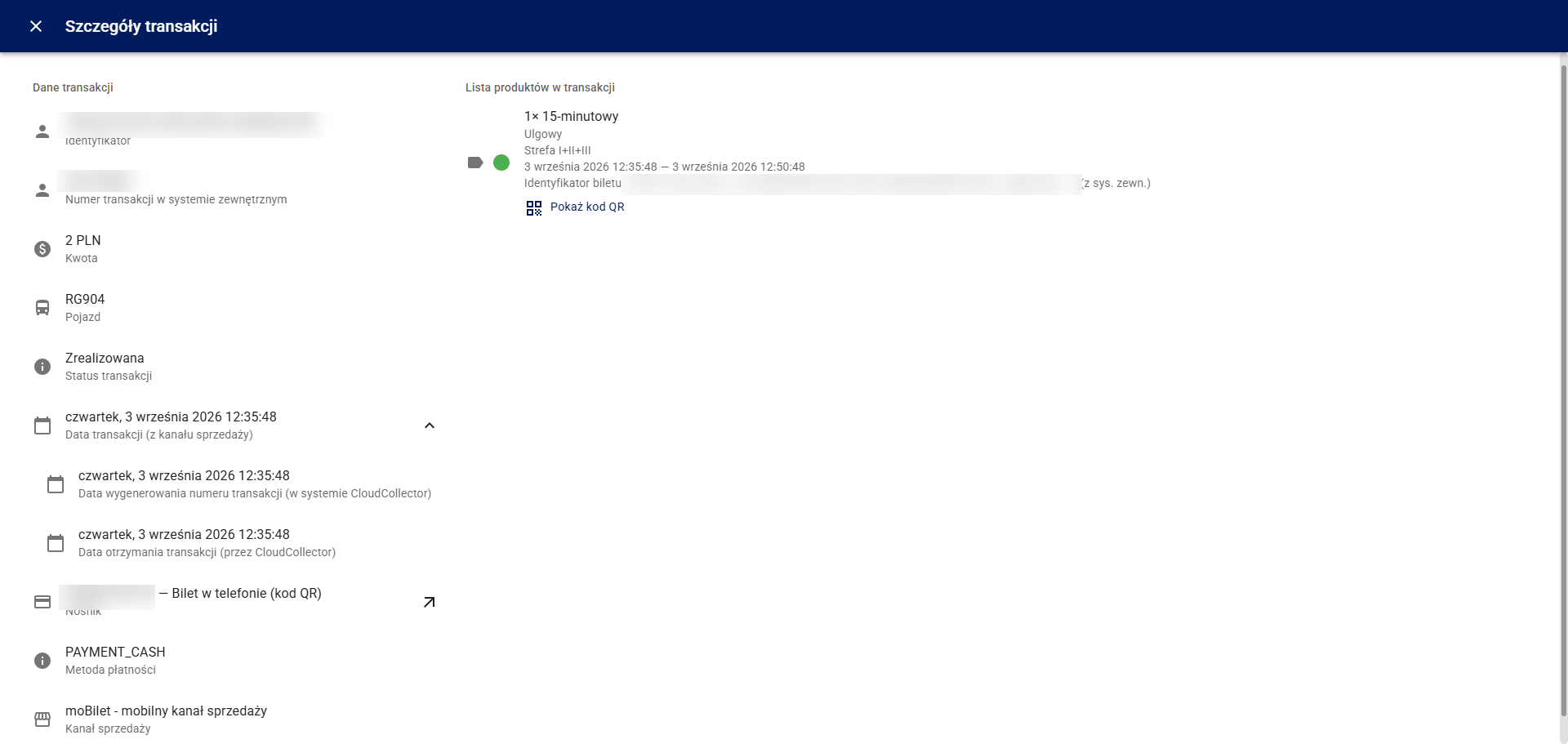
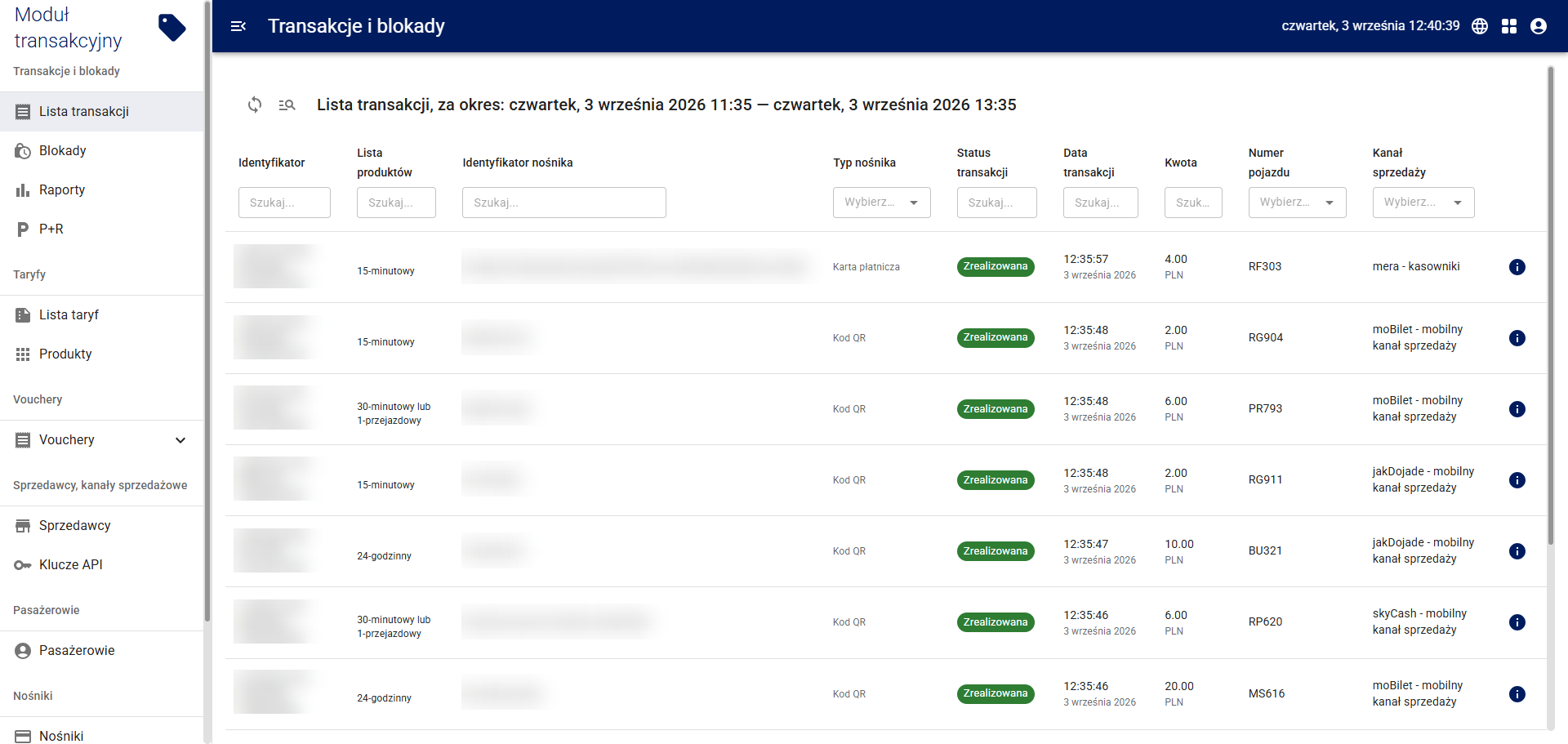
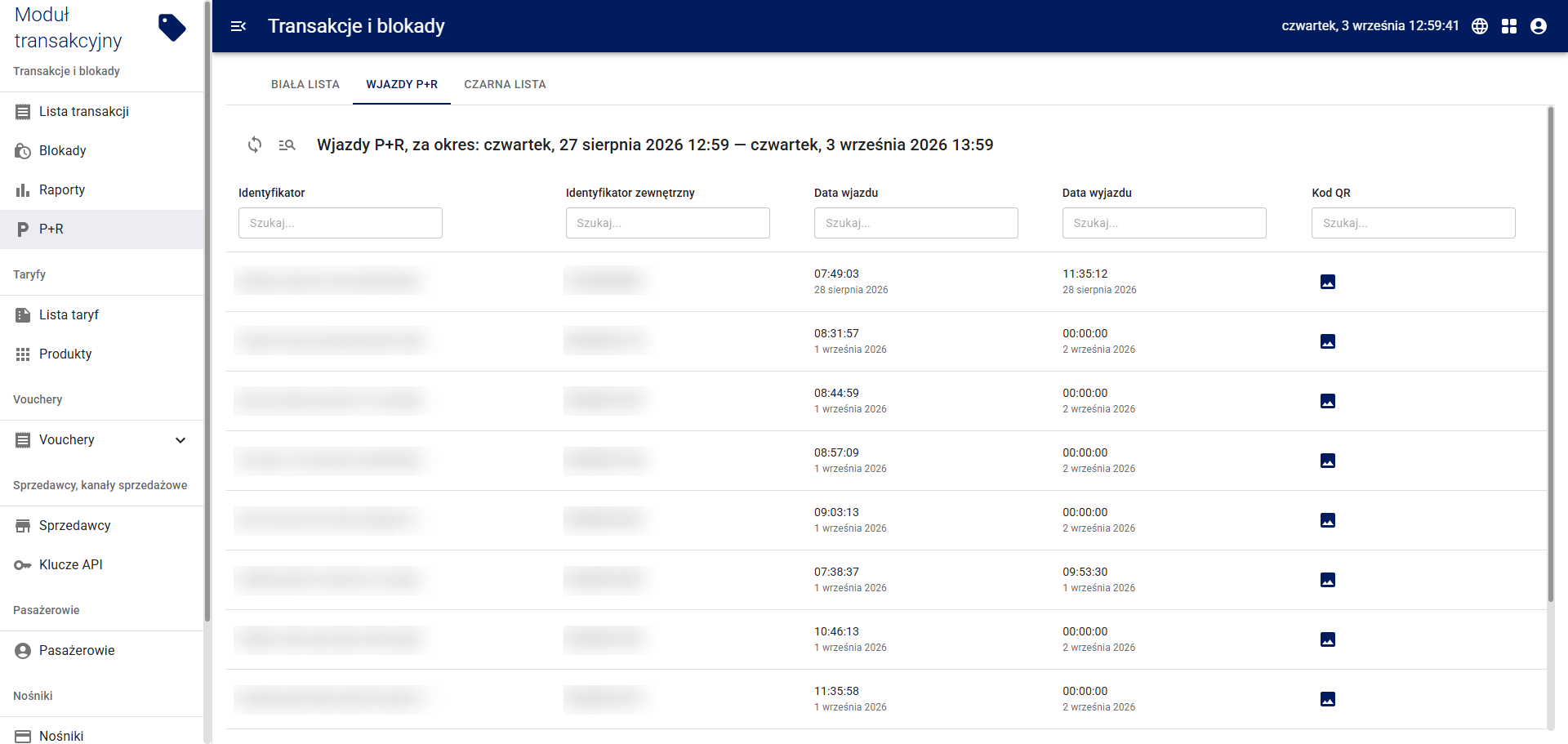
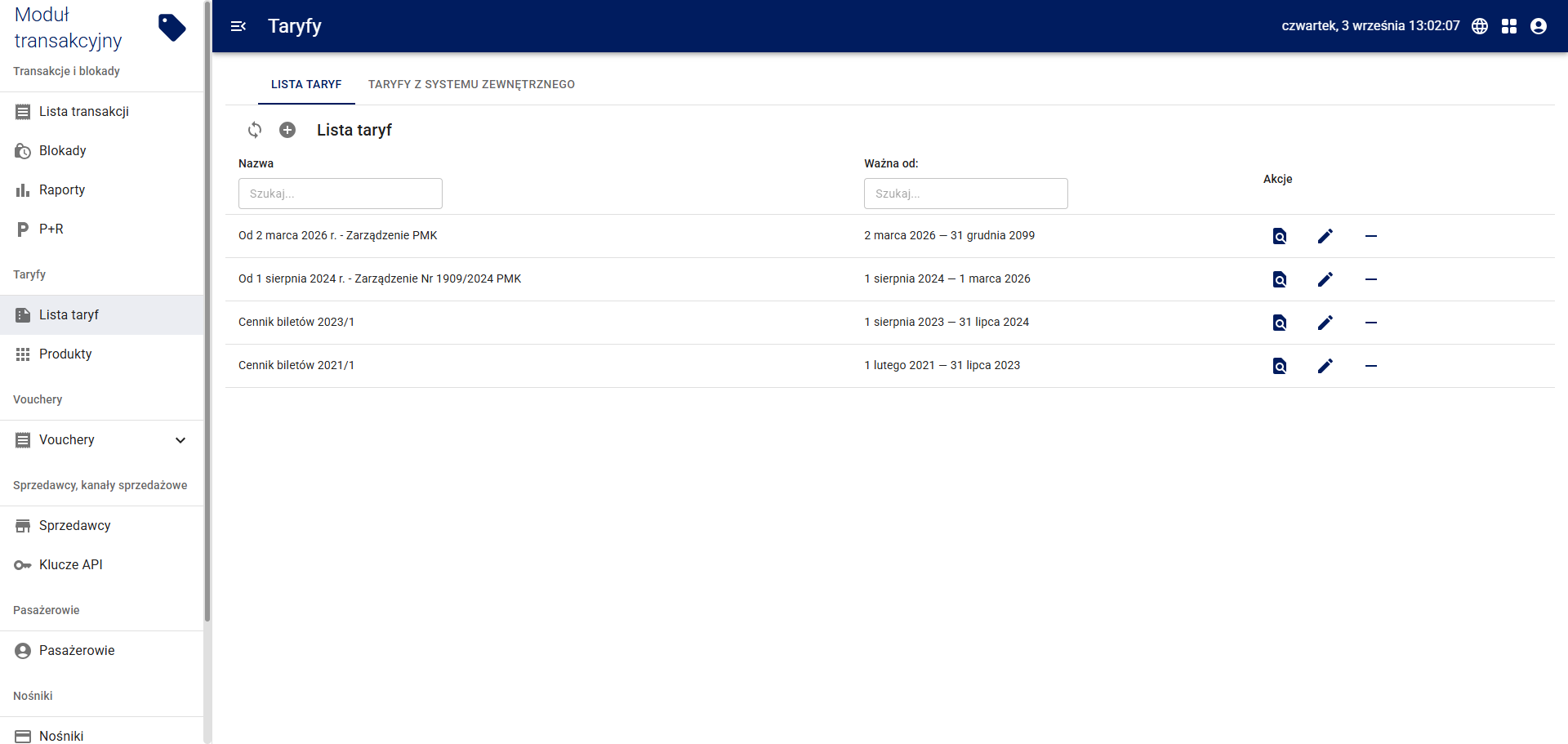
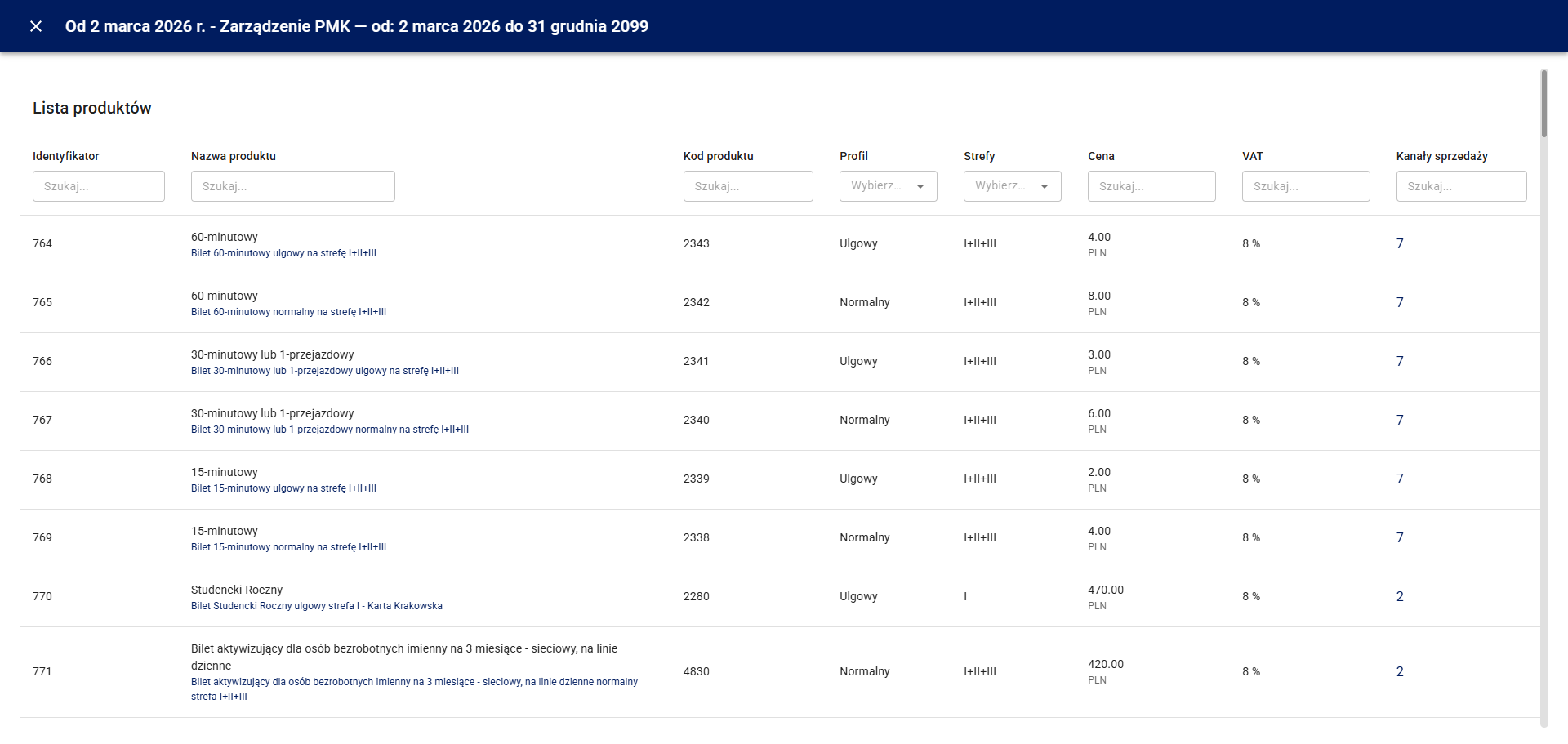
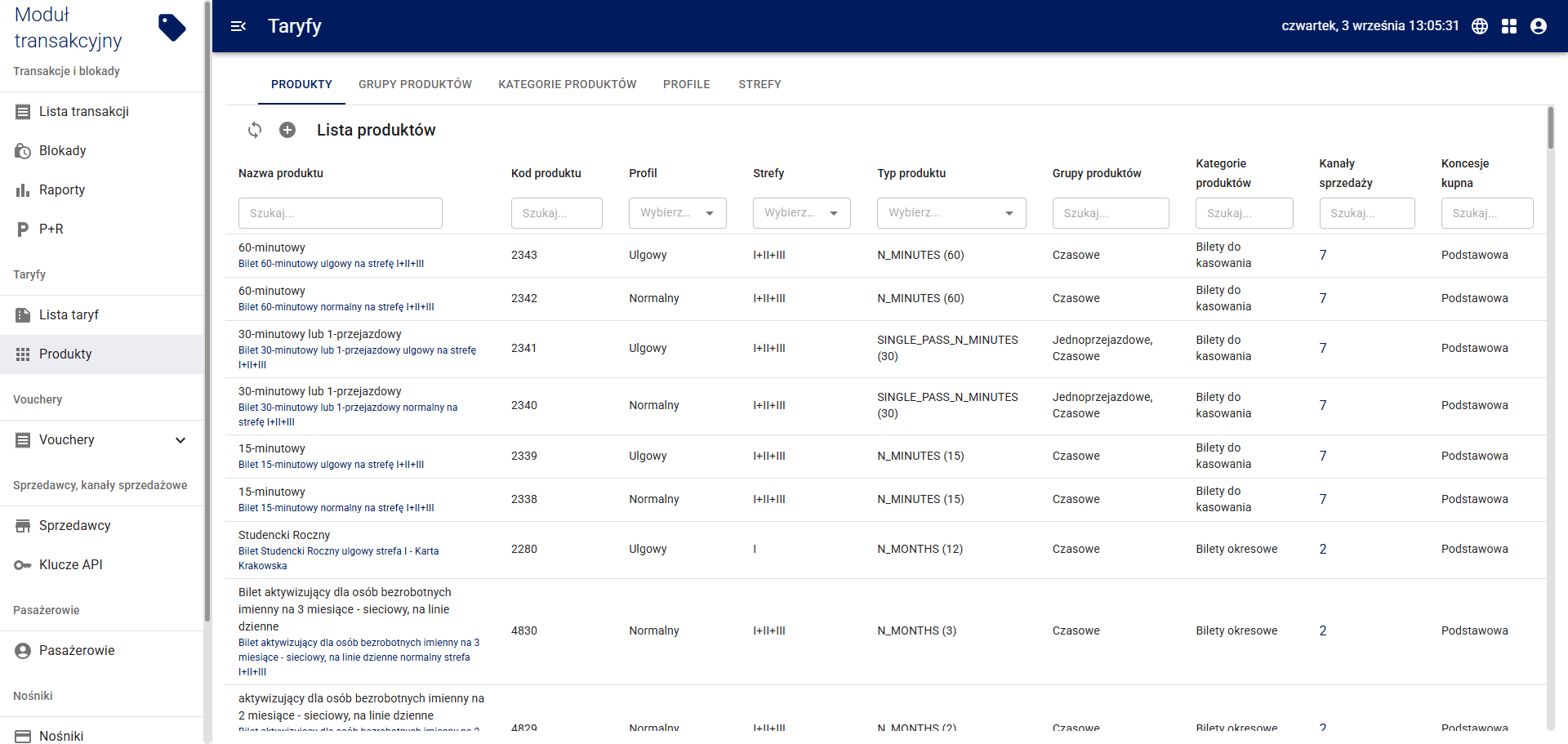
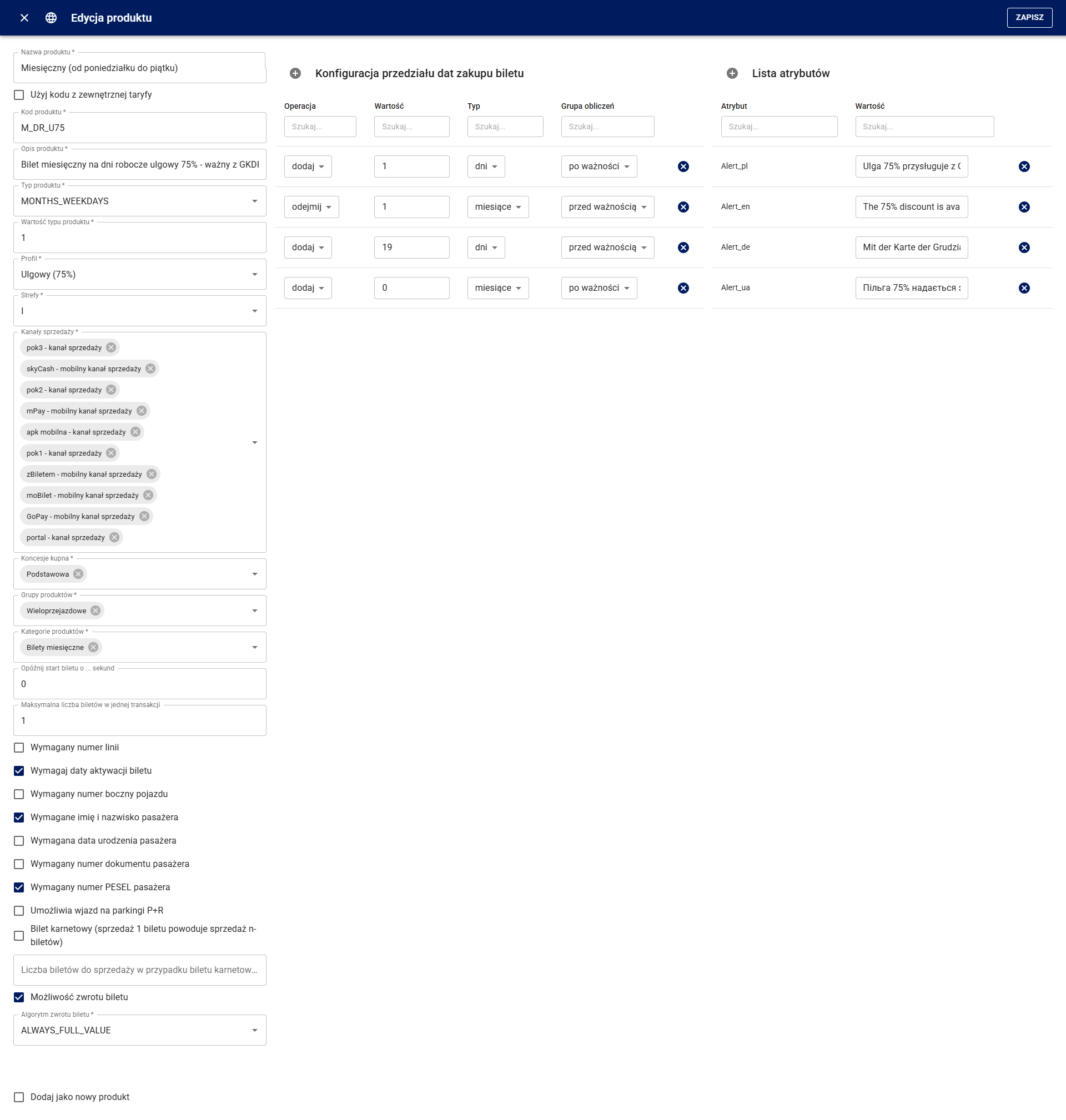

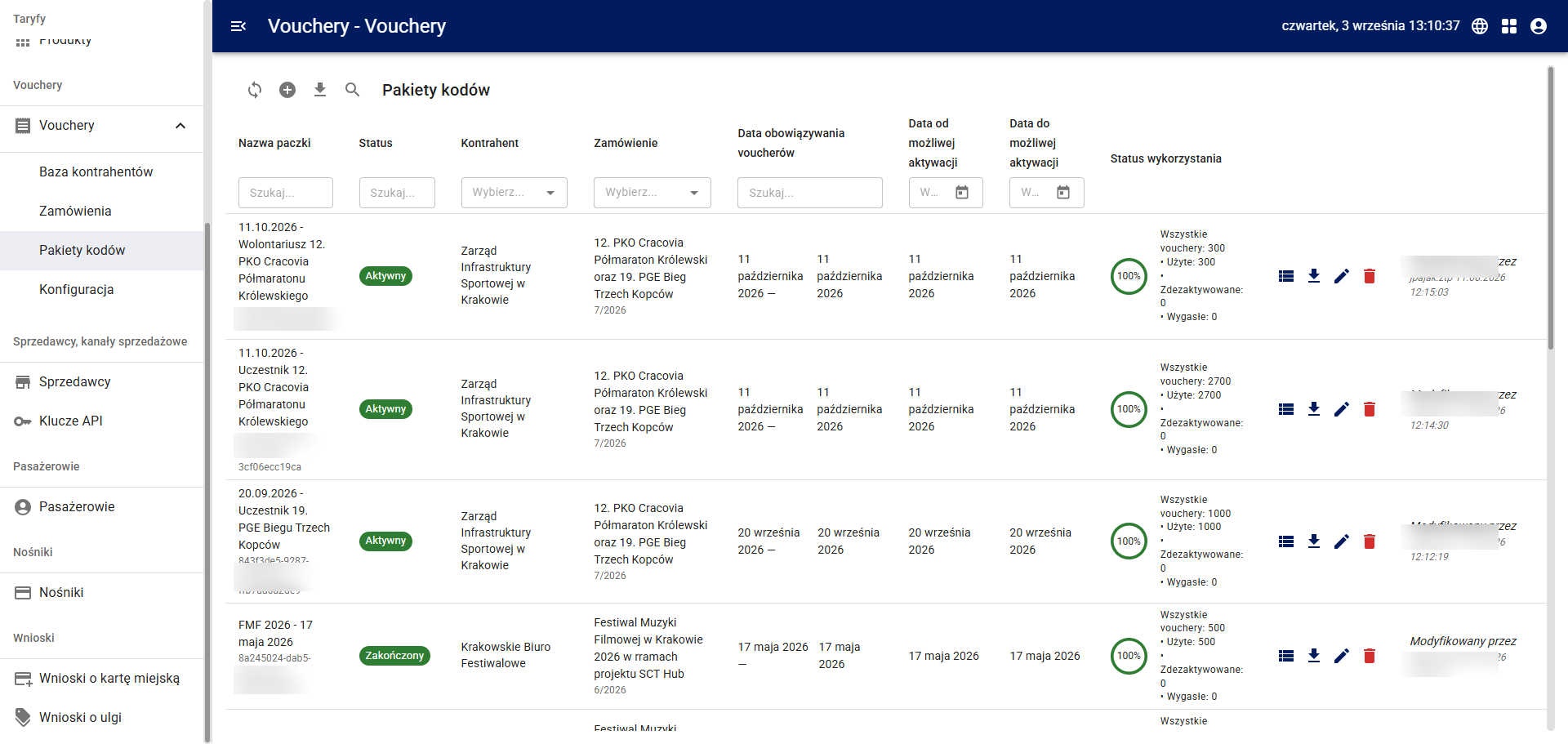
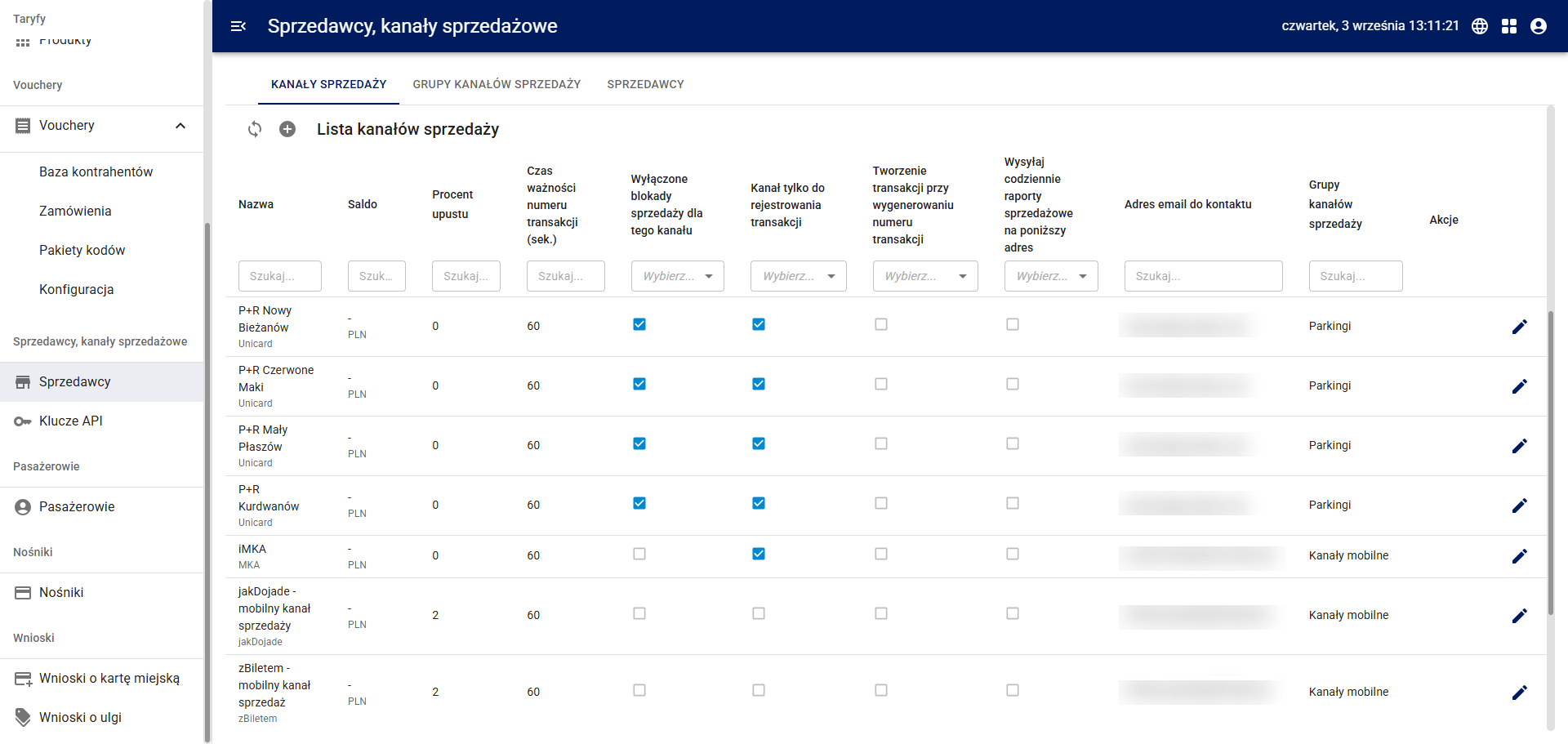
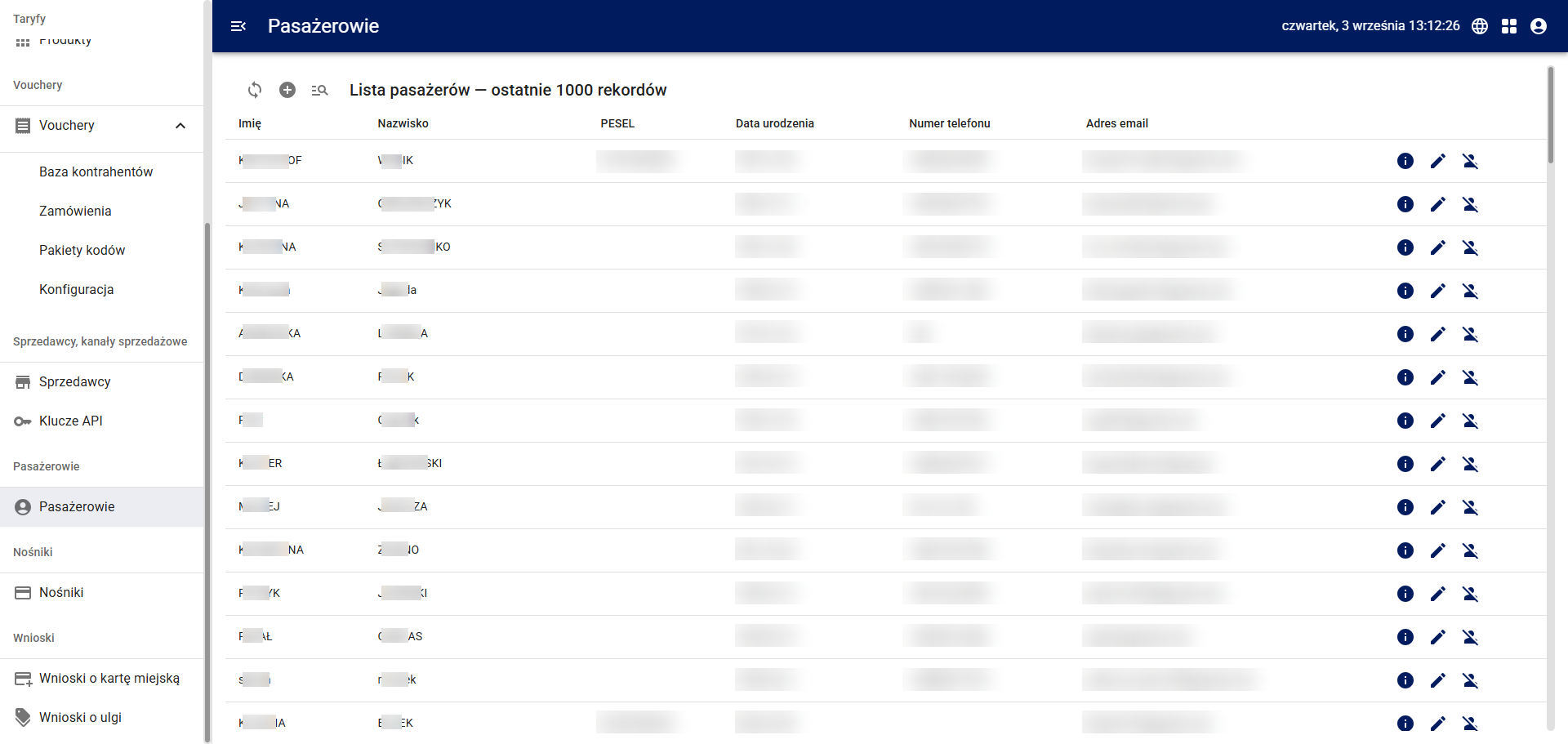
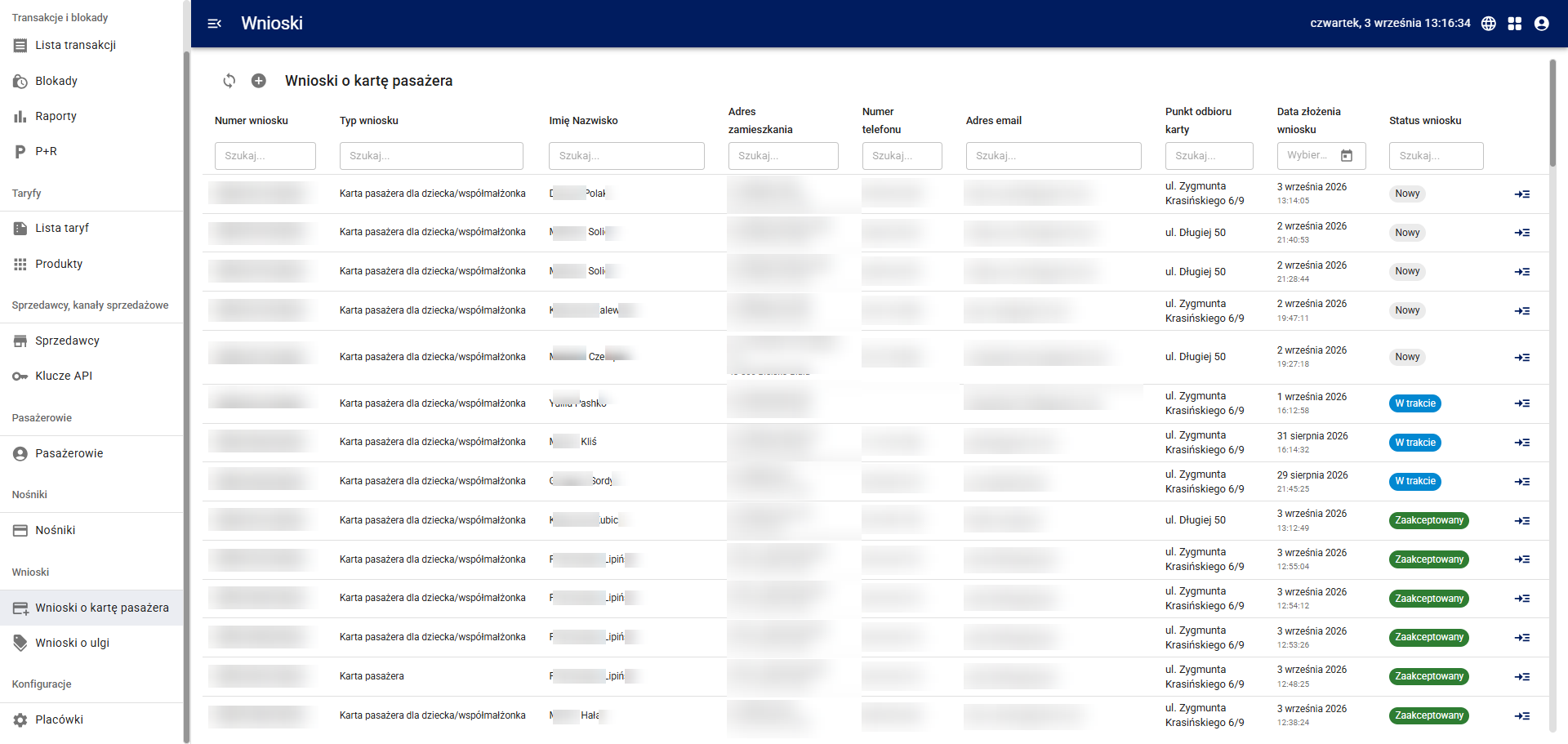
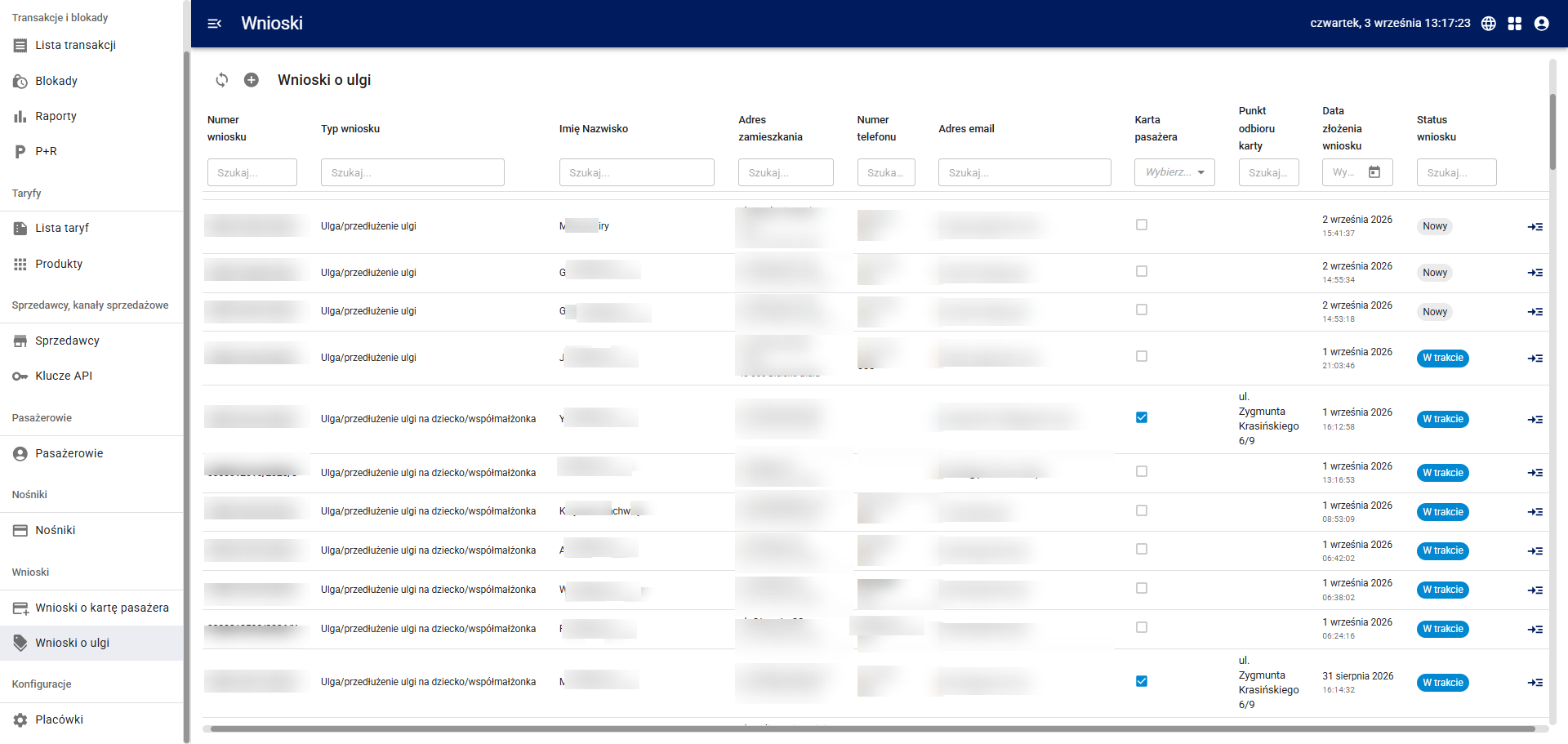
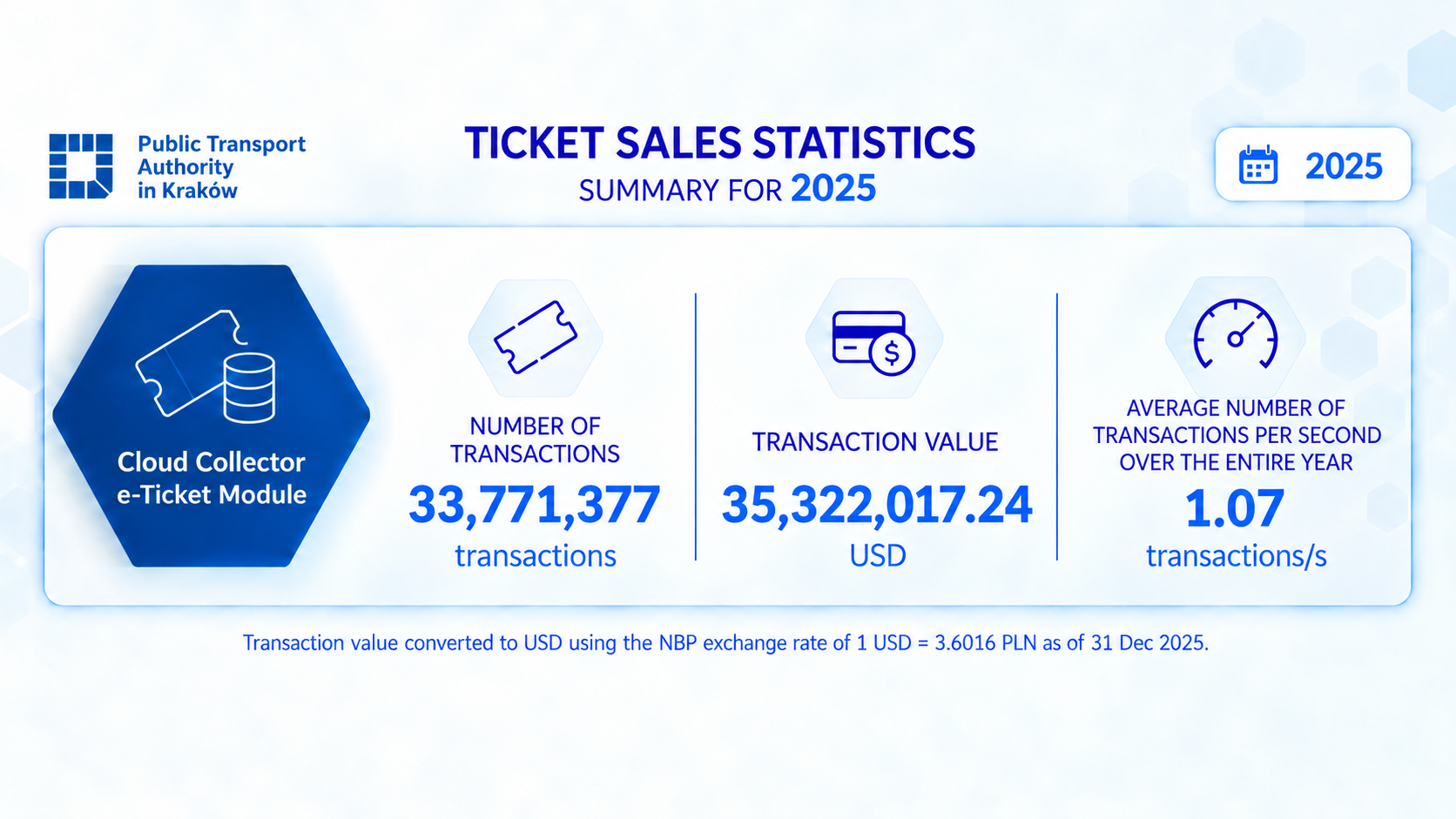
The largest production deployment of the Ticket Sales Module (SLL) is currently in operation at the Public Transport Authority in Kraków.
Below, we present sales statistics for 2025, illustrating the scale of the system’s use by Kraków’s Public Transport Authority.
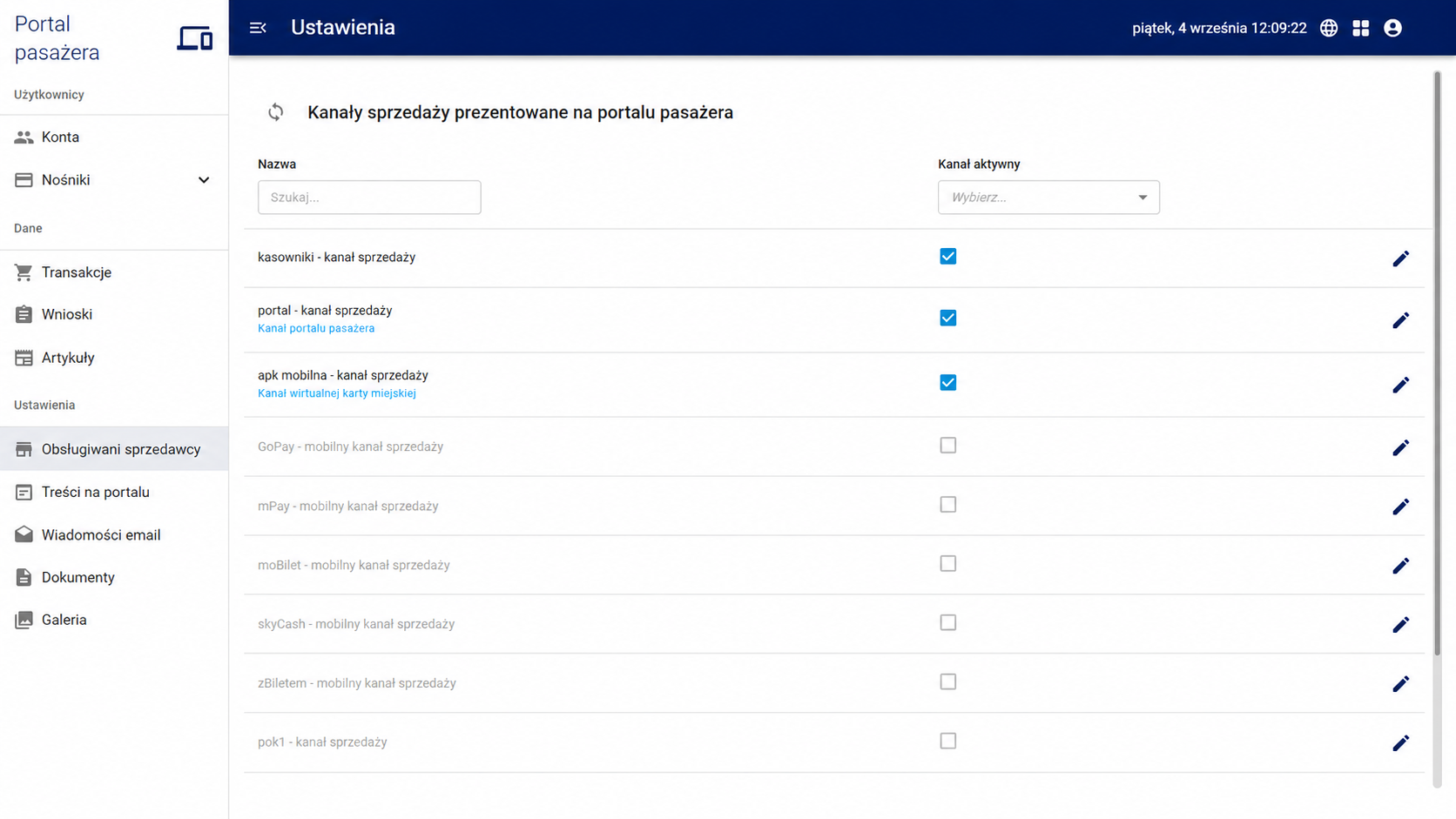
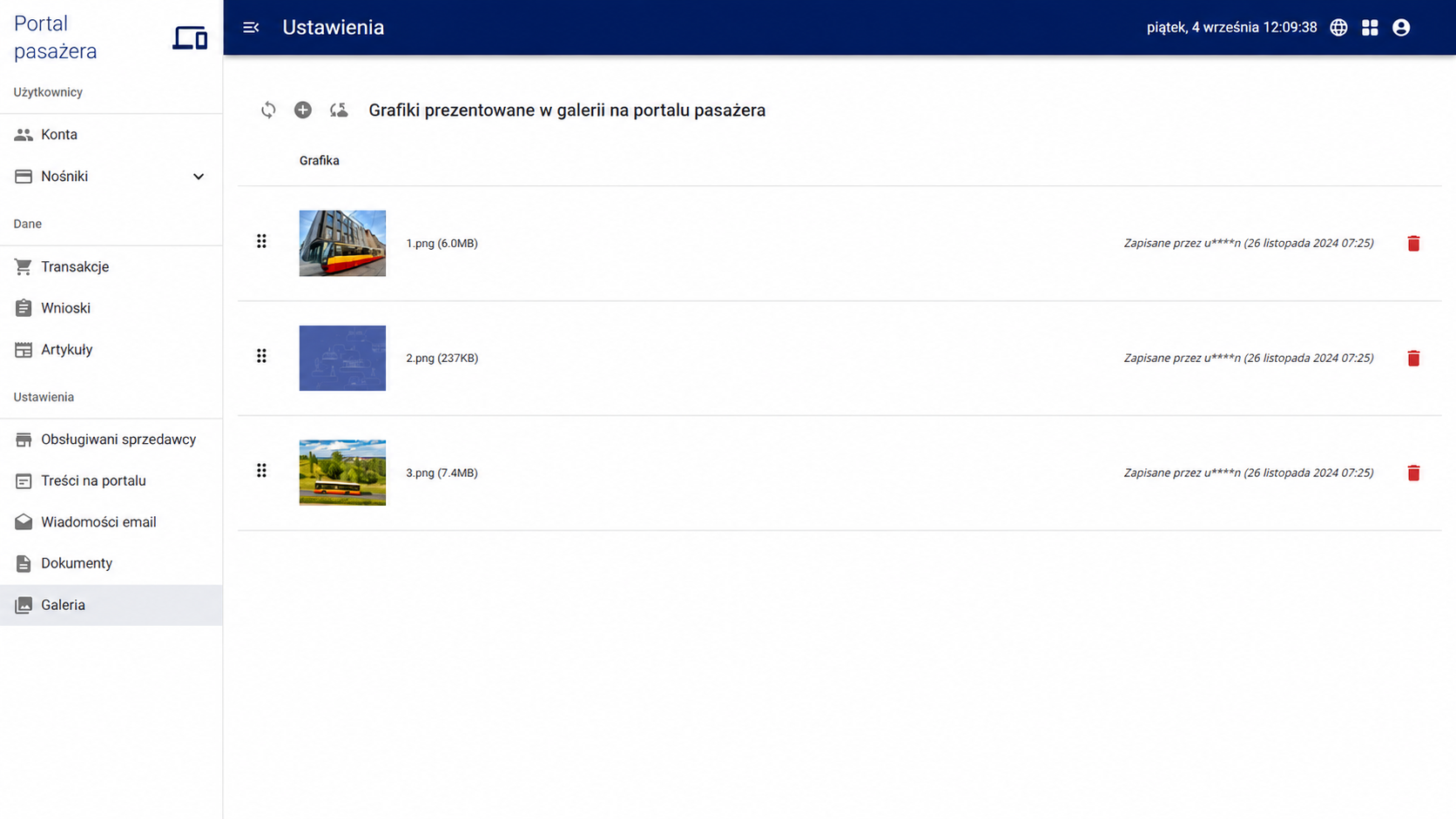
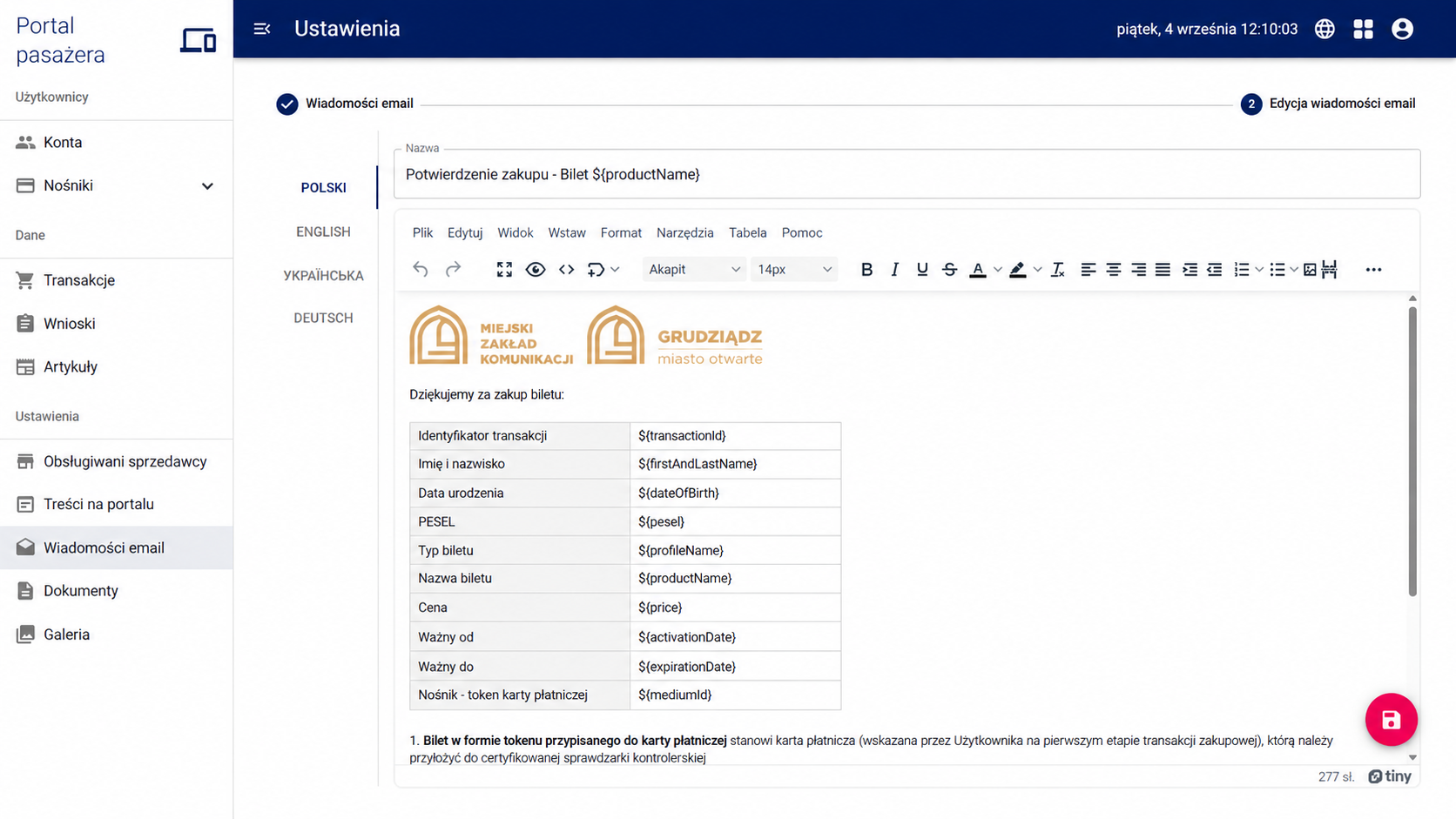
Production addresses of ticket purchasing portals and the mobile application:
- Białystok – https://www.ekarta.bialystok.pl/
- Grudziądz – https://bilety.grudziadz.pl/
- Bielsko-Biała – https://bilety.mzk.bielsko.pl/
- Mobile application in Grudziądz – Grudziądz City Card:
Link: Google Play

Link: App Store

User Guides for the Portals and the Grudziądz City Card Application:
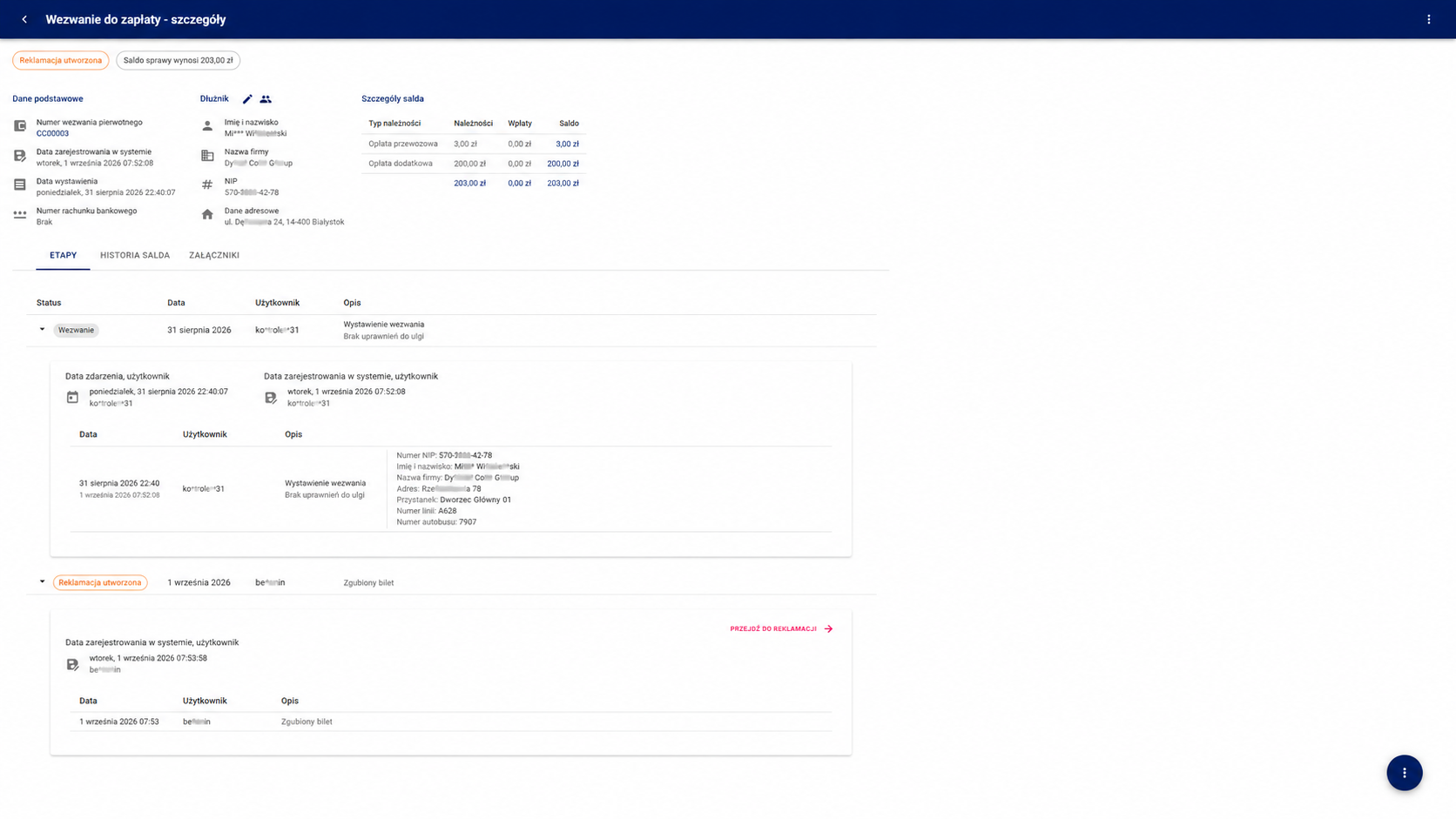
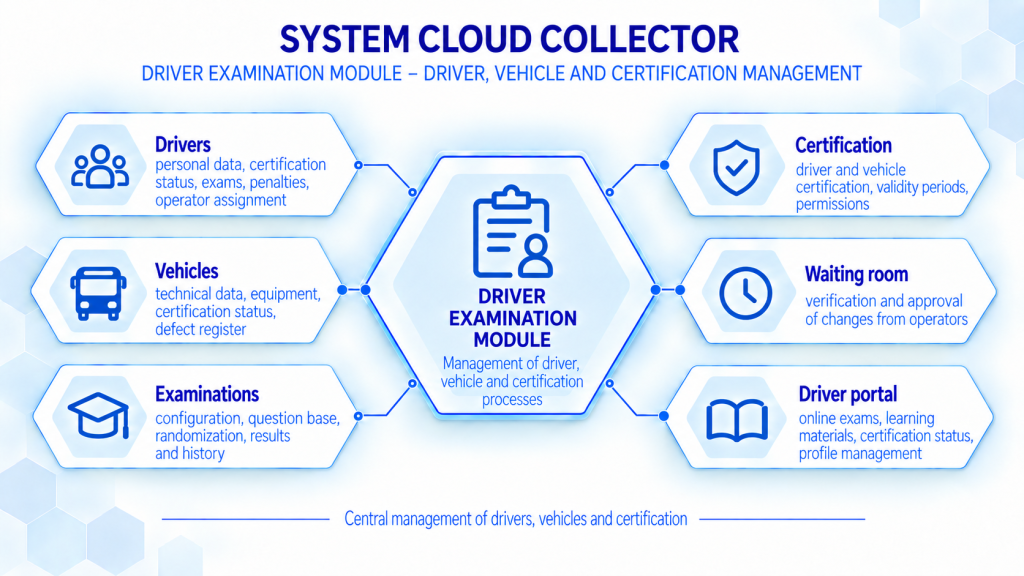
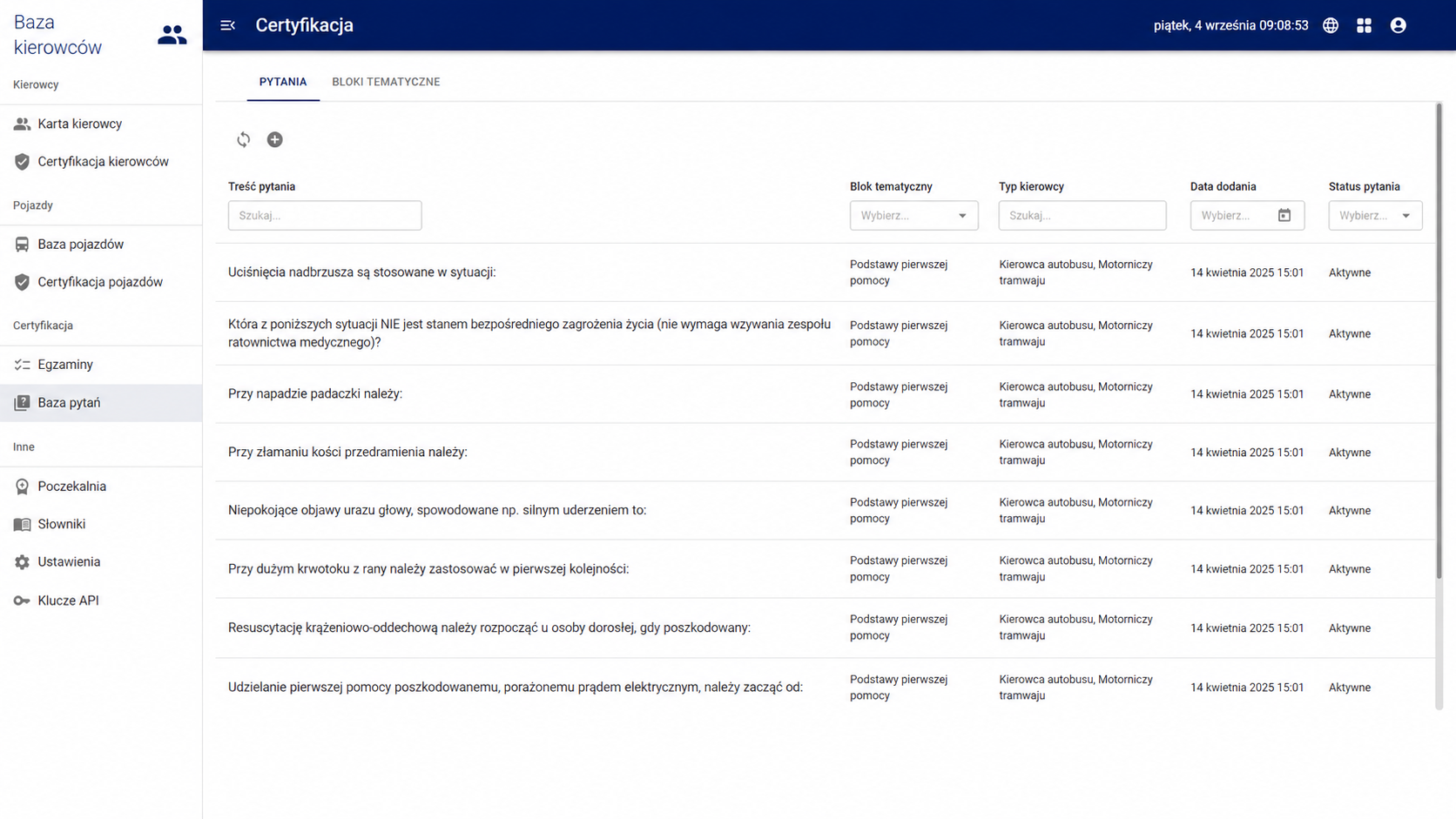
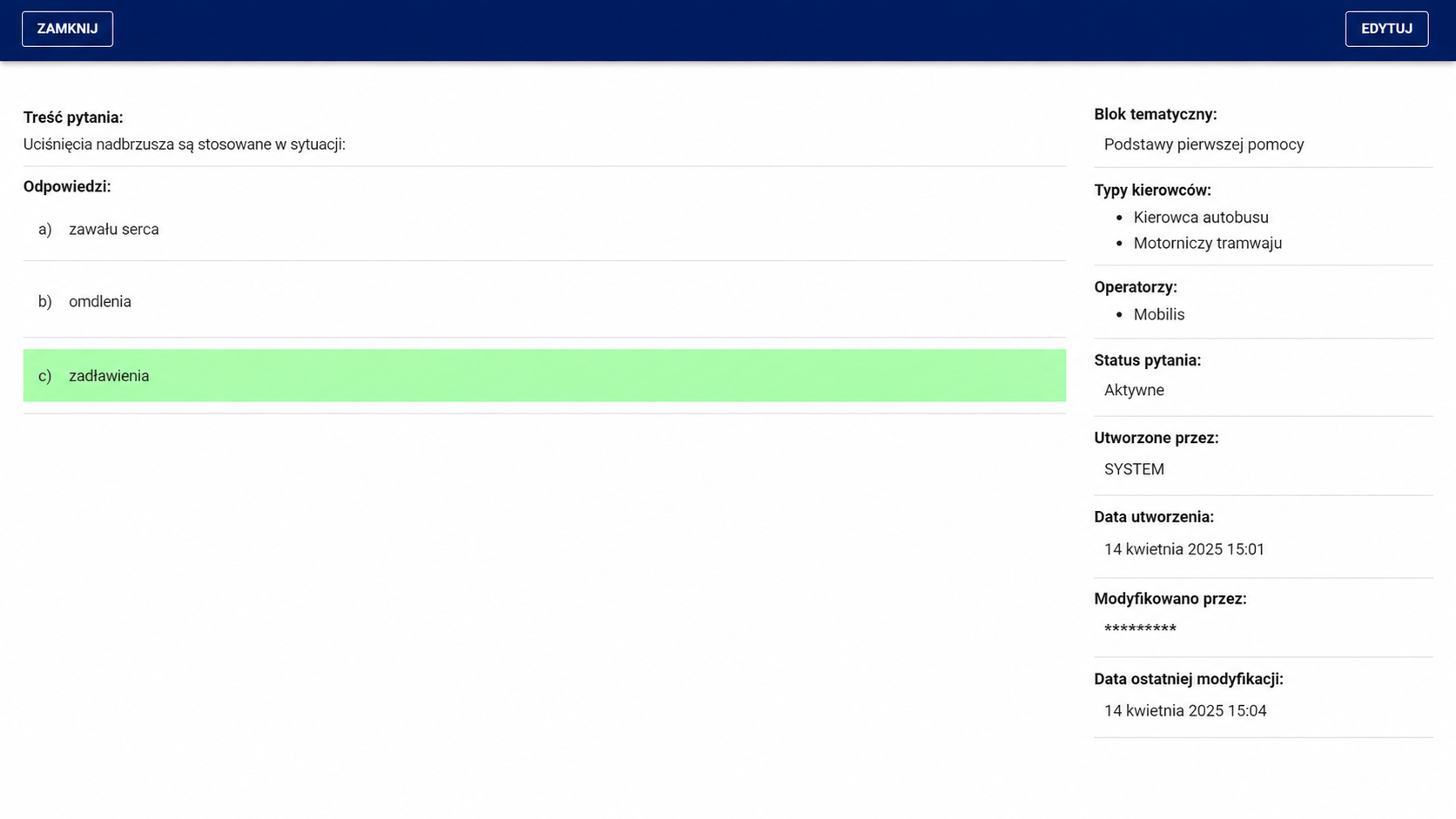
An important element of the solution is the Waiting Room, where the Transport Authority can review, approve, or reject changes submitted by Operators, including changes related to drivers, vehicles, certifications, and the examination question database.
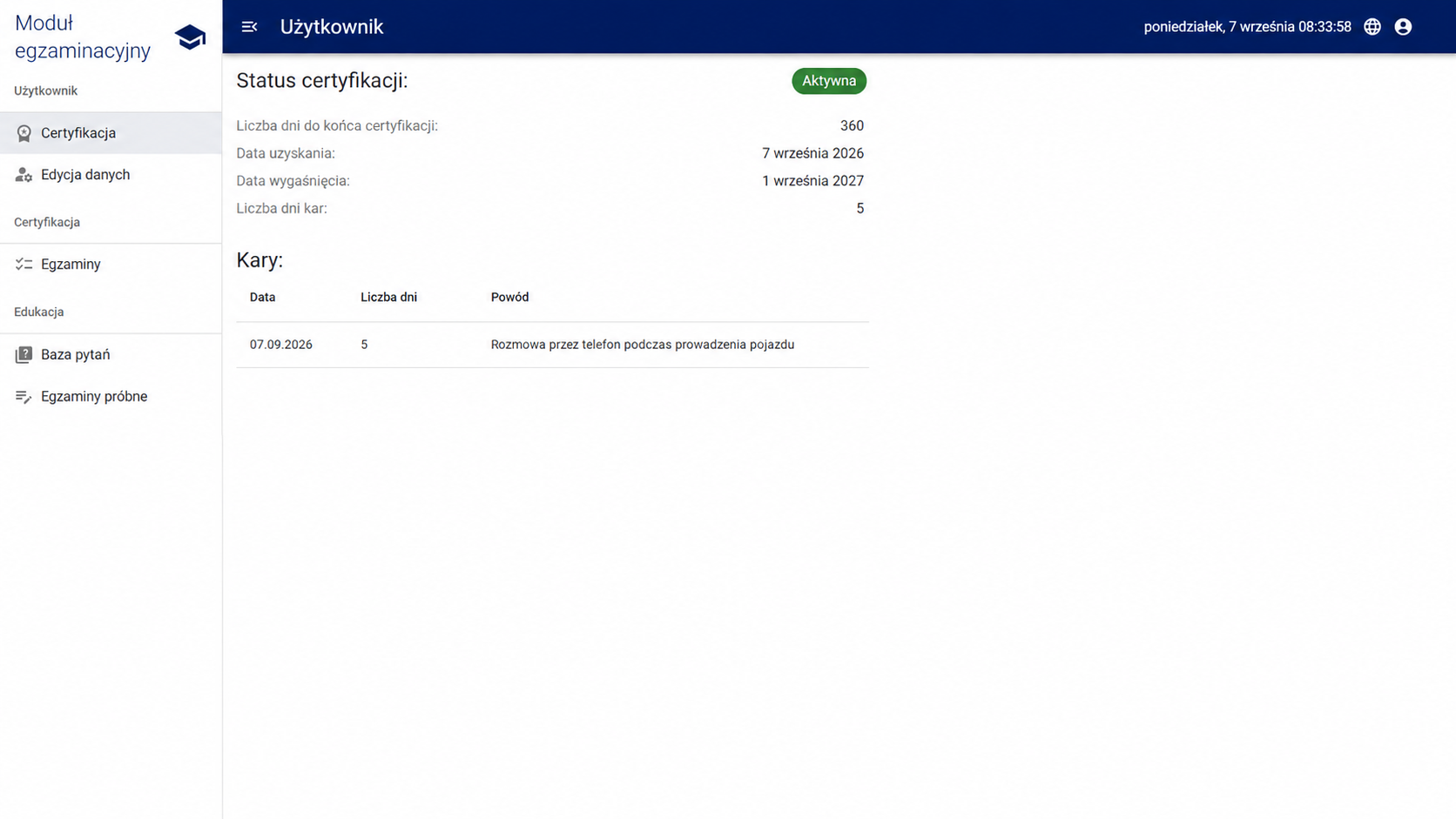
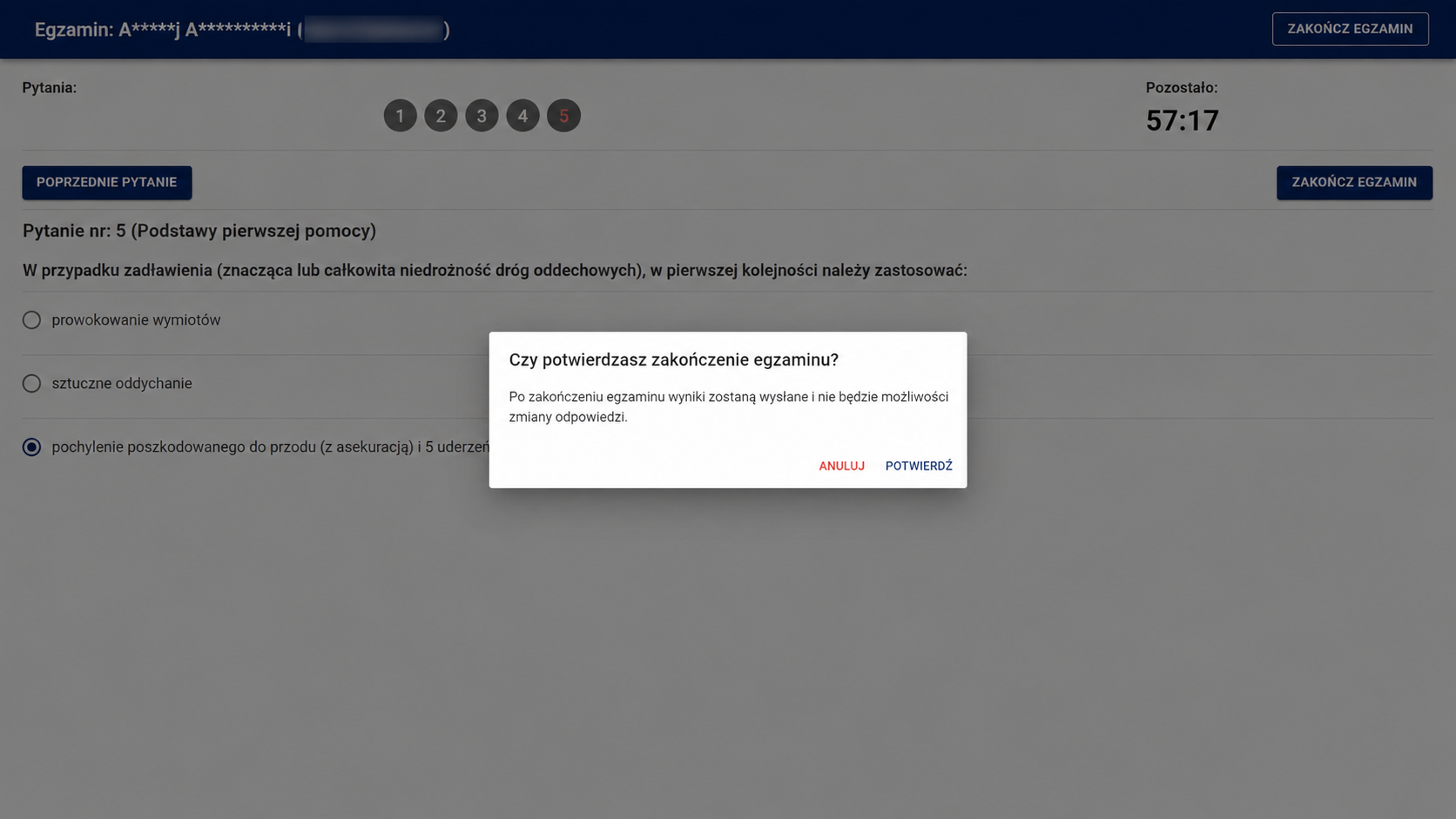
Once access is configured appropriately, the module can be made available directly to drivers, allowing the certification process to be carried out remotely, without requiring Operator staff to supervise the examination itself.
The driver-facing section includes three main areas: user information, certification, and education. Drivers can check their current certification status, its validity period, and any penalties imposed, as well as submit requests to update the data stored in their account.
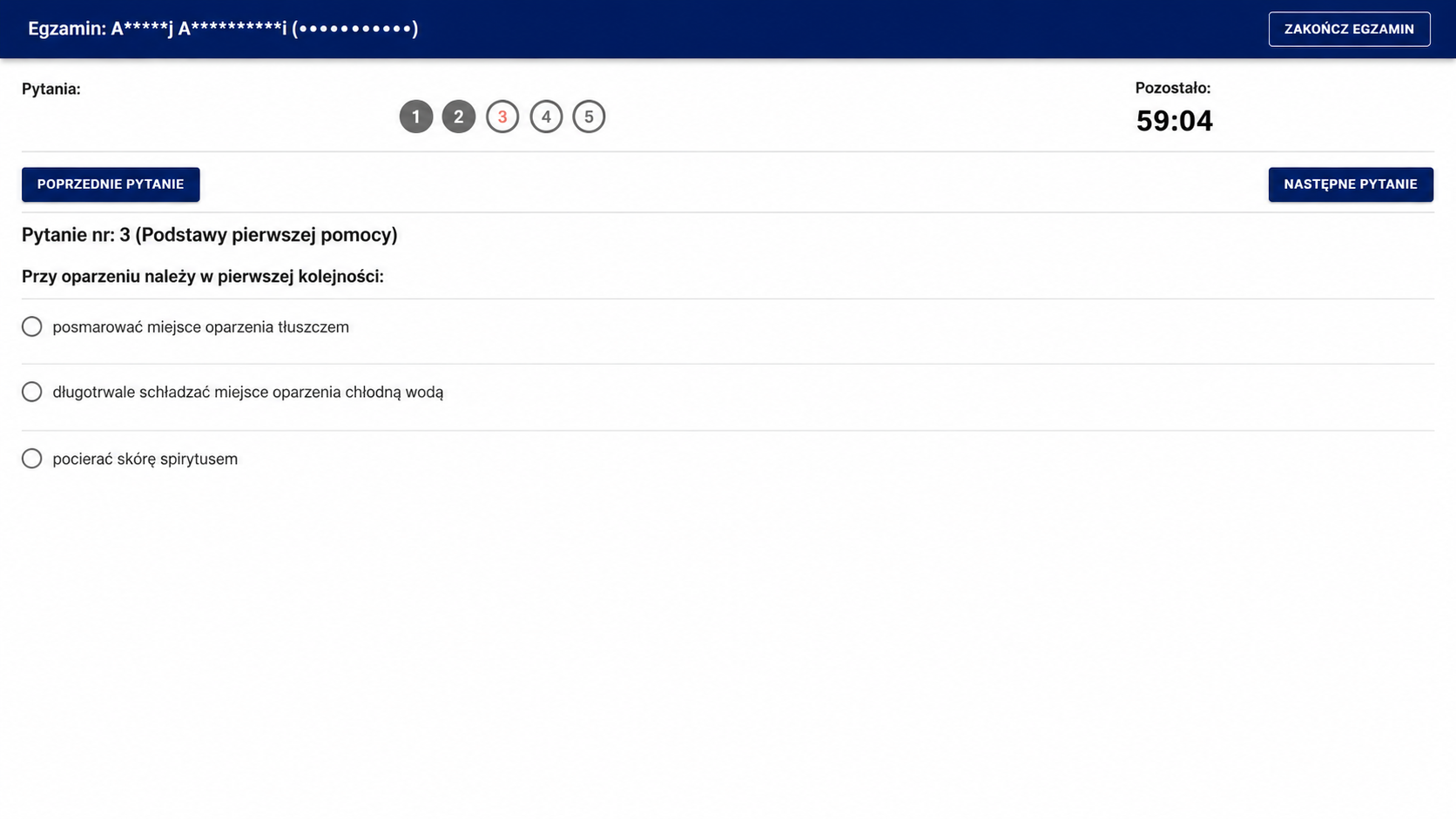
The certification section provides access to examinations assigned by the Transport Authority or Operator. Examination results may affect the driver’s entitlements and the validity period of their certification.
The education section provides access to a question database divided into thematic areas, as well as practice examinations, allowing drivers to prepare for the formal certification process.
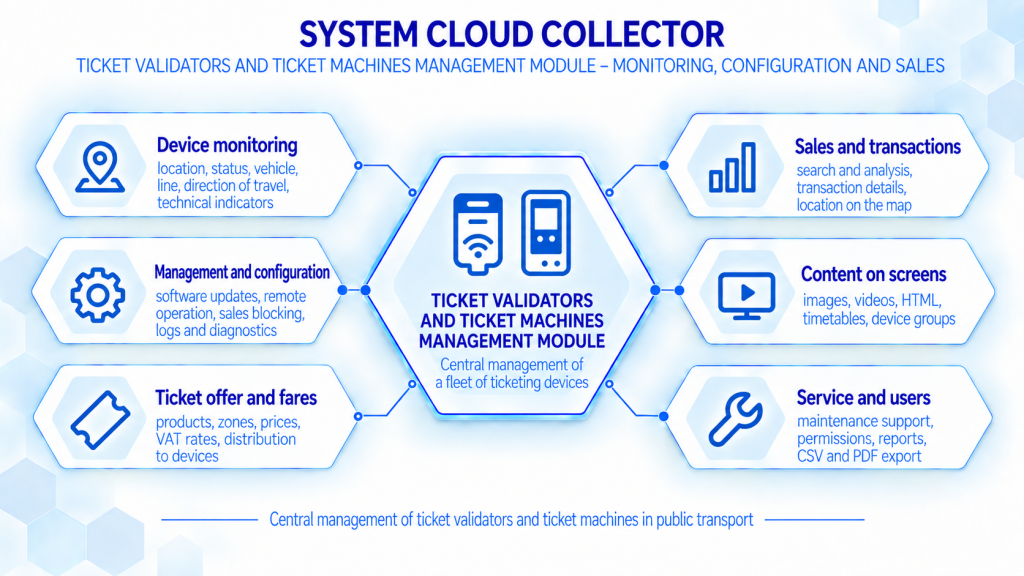
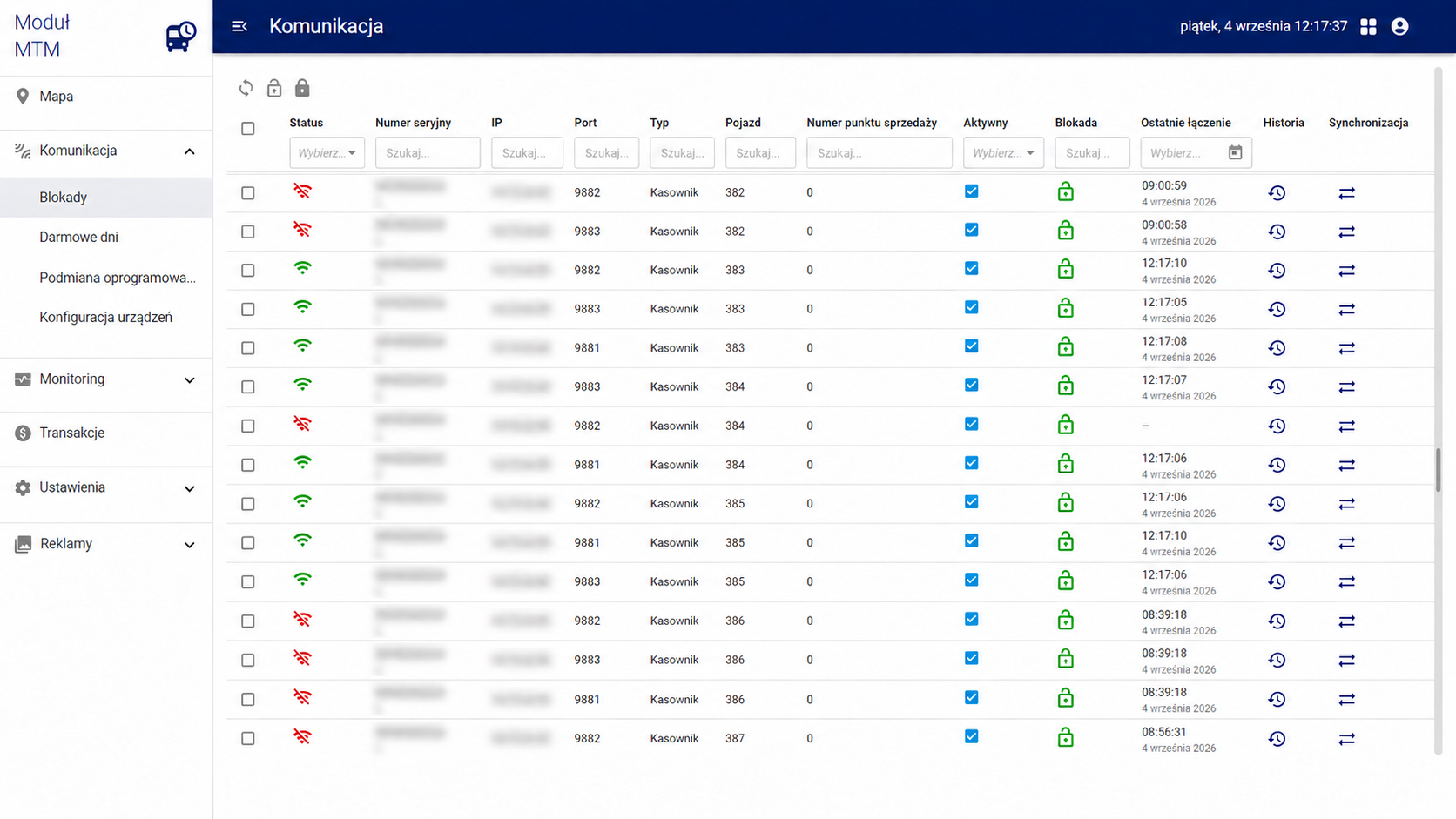
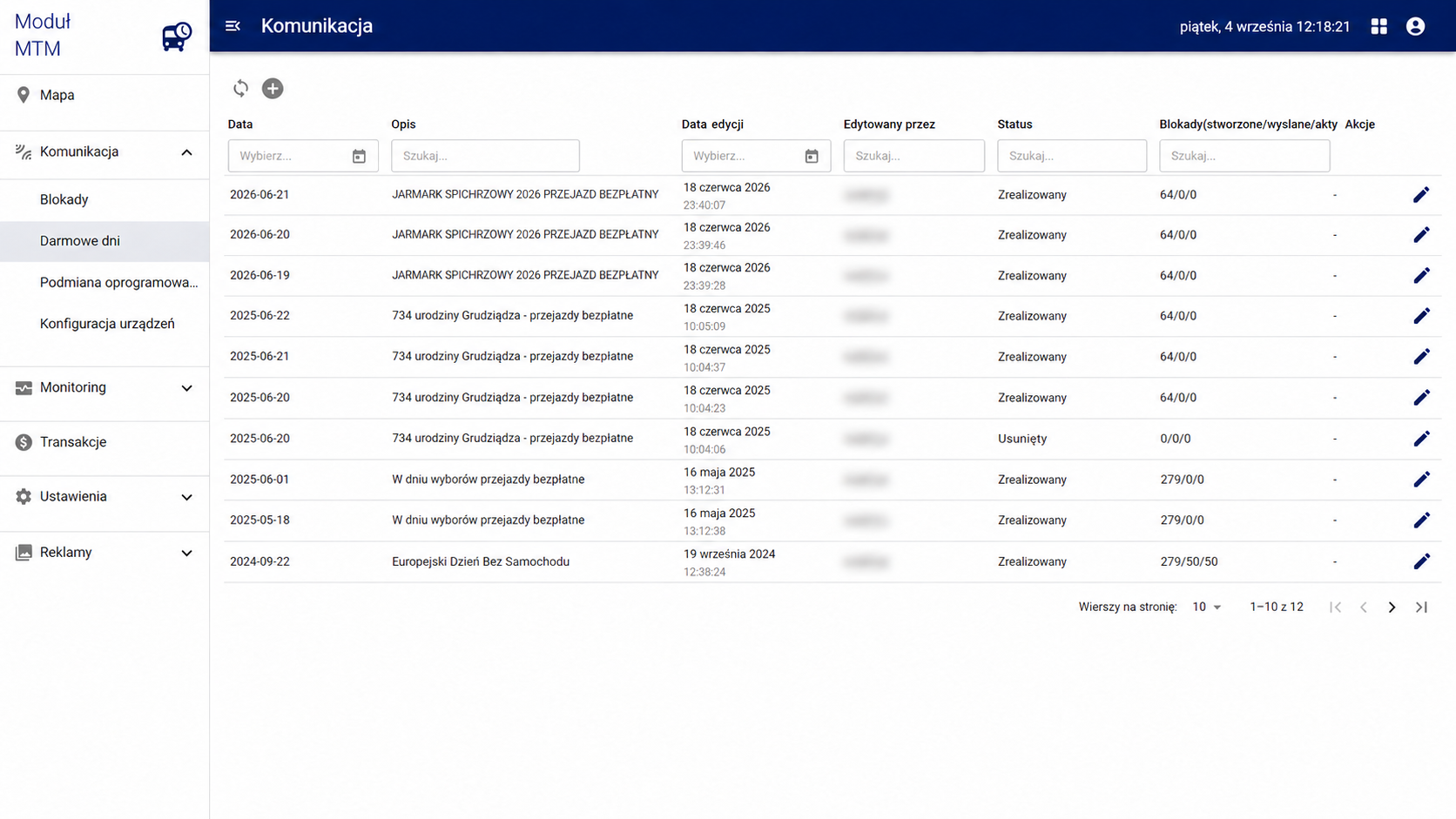
MTM enables remote management of individual devices or entire device groups, including:
- software and configuration updates,
- verification of correct distribution of new versions,
- enabling and disabling ticket sales,
- defining free travel days,
- restarting devices and selected components,
- remote screen preview,
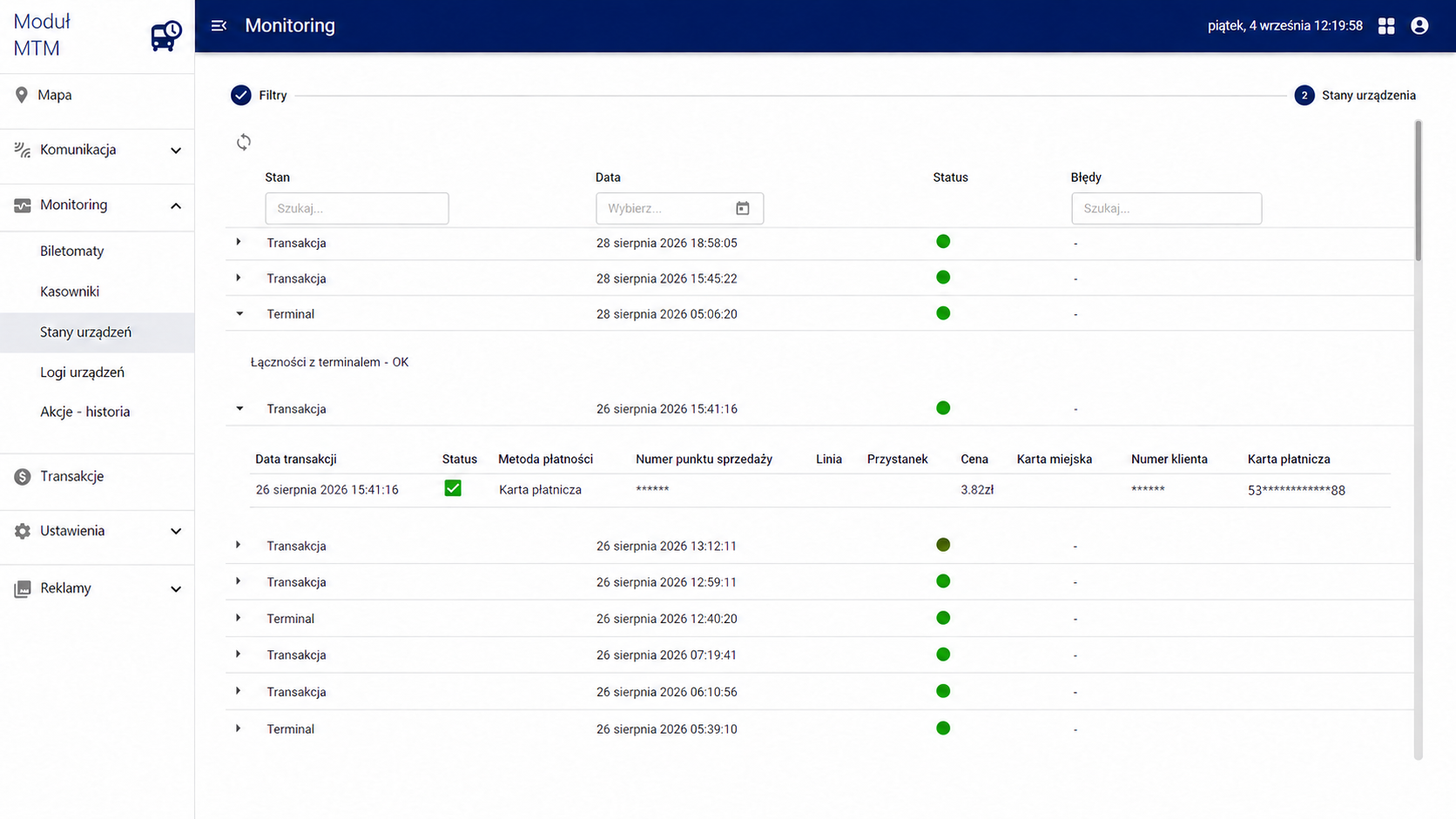
- downloading logs and analyzing event and operation history.
The system also enables centralized management of the ticketing offer, including products, fare structures, passenger profiles, zones, prices, and VAT rates. Changes are prepared centrally and then distributed to the appropriate devices.
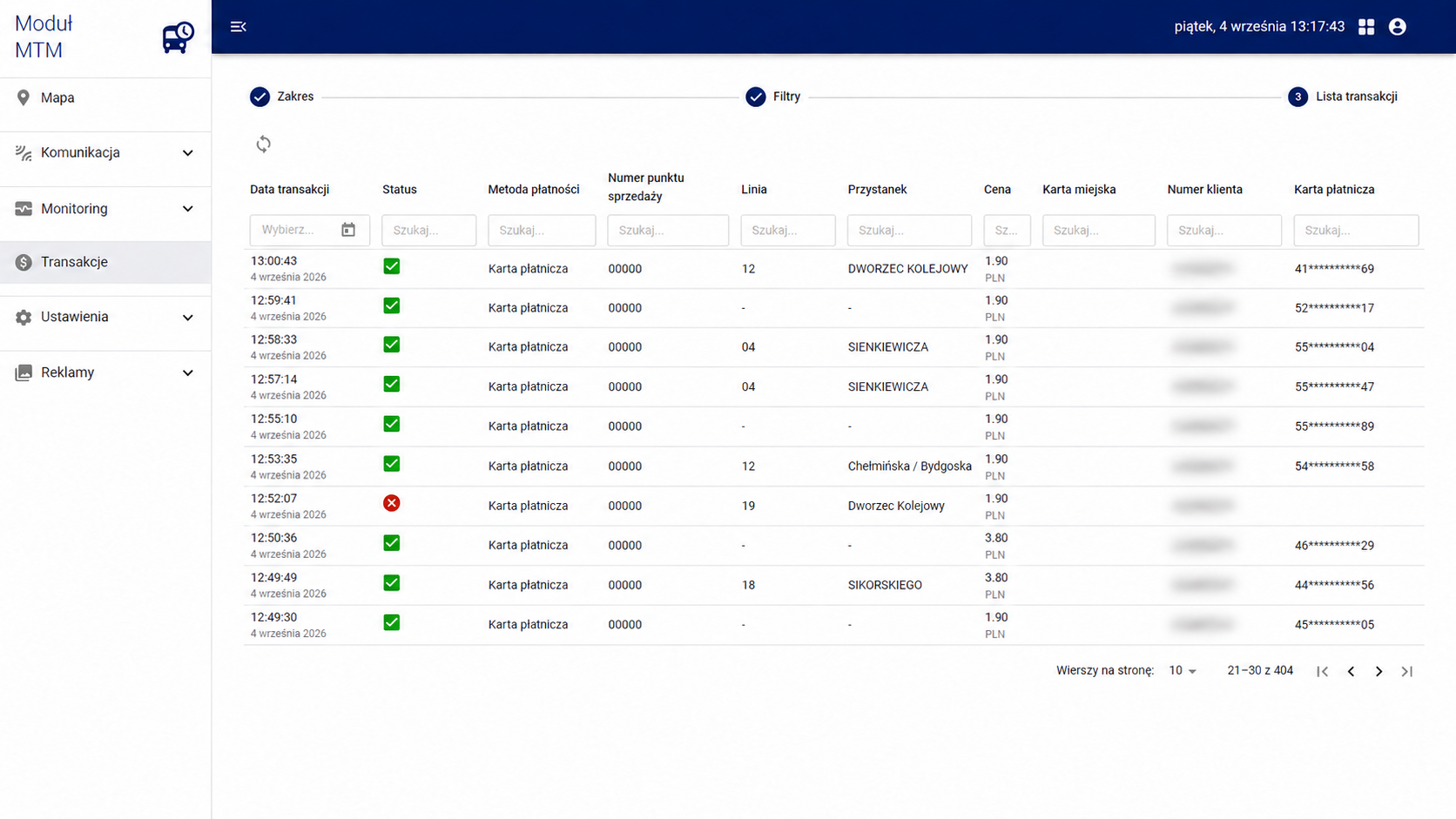
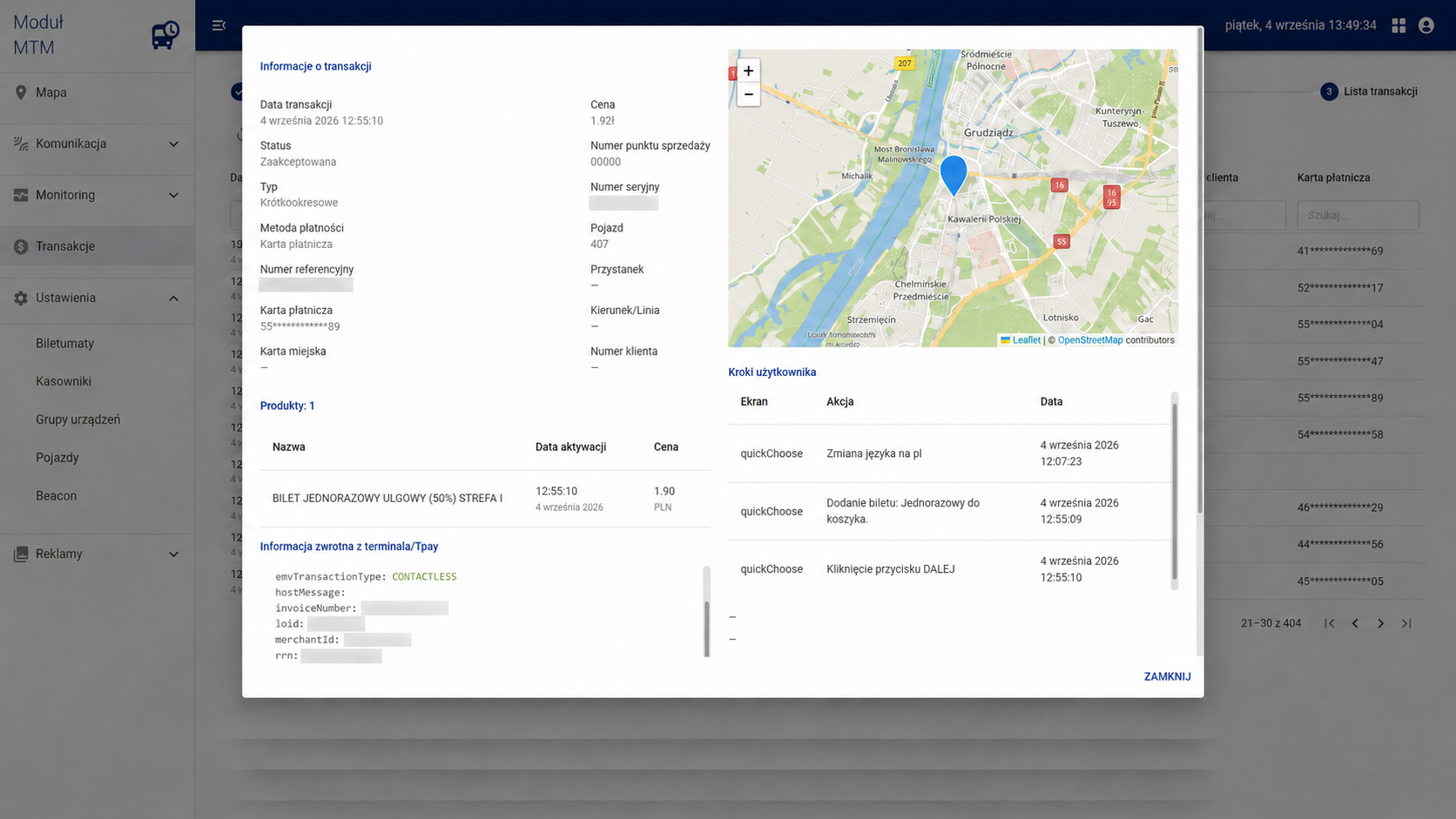
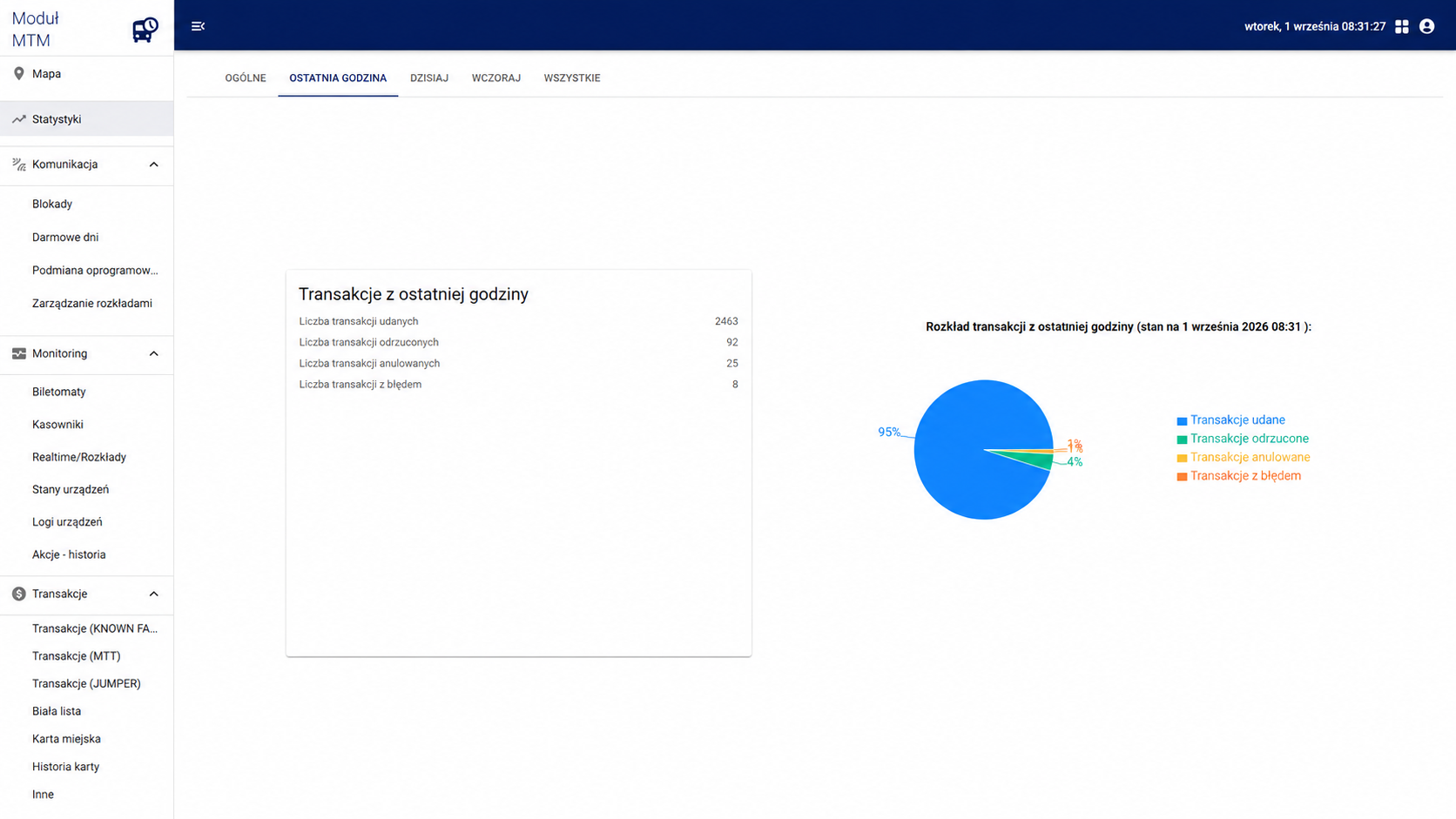
MTM supports searching and analyzing transactions by parameters such as vehicle, device, line, ticket type, payment method, and status. For each individual sale, detailed information is available about the purchased products, payment process, device, and the successive steps performed by the passenger. The system can also display the location of the transaction on a map.
In projects using fiscalization, such as validators deployed in Wolsztyn, the system generates a receipt or VAT receipt when a transaction is successfully completed. The passenger can then download the document in PDF format after scanning a 2D code displayed on the device.
The platform also supports service operations by allowing service technicians and their permissions to be defined, completed activities to be recorded, device operation history to be analyzed, and diagnostic logs to be downloaded.
MTM can also be used to manage content displayed on validator and ticket vending machine screens, including images, video materials, and HTML content. Materials can be assigned to specific devices, groups, time periods, days of the week, or geographical areas.
Access to system functions is controlled through user accounts, roles, and assigned device groups. The system also provides reporting and data filtering mechanisms, as well as export of reports to CSV and PDF formats.
MTM enables centralized management of a distributed fleet of ticketing devices, from configuration and sales through technical monitoring to diagnostics and servicing.
The software is a module of the Cloud Collector Data Warehouse and, depending on the configuration, can integrate with the BEESSET eTicket Warehouse. This allows data from onboard devices to be combined with information from other sales channels and analyzed within a single, consistent environment.
Learn more about MTM software.
Related Articles
See all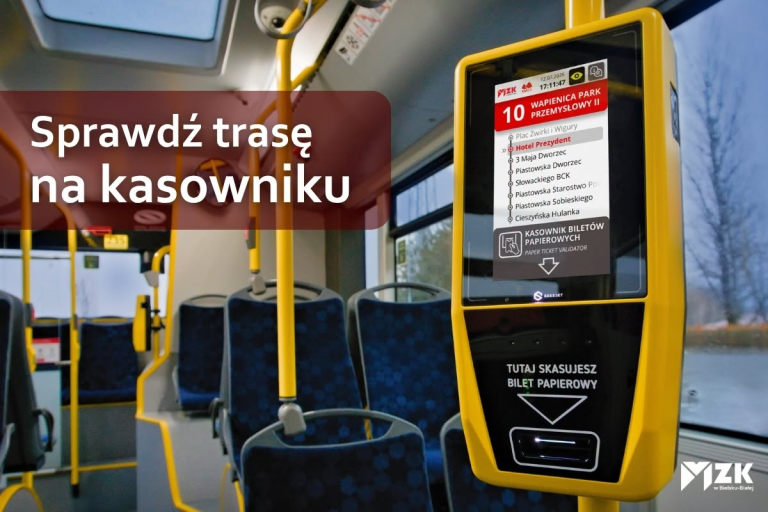
14/09/2026
New NV1 Validator Interface in MZK Bielsko-Biała Buses
As part of the continuous development of the software used in NV1 paper ticket validators installed in the newest buses operated by MZK Bielsko-Biała, together with Pixel Sp. z o.o. we have developed a new dedicated graphical interface aligned with the current visual identity. The validator screen now provides passengers not only with functions related […]
More information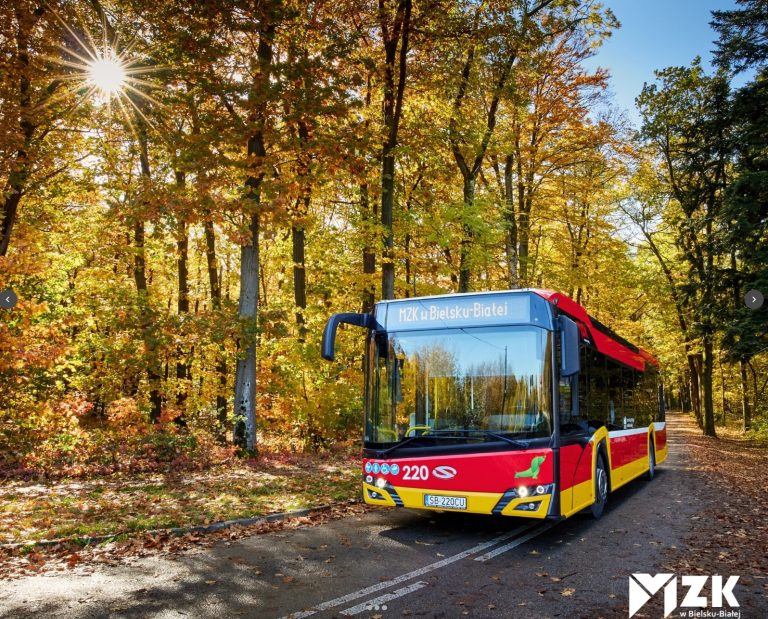
17/08/2026
Beesset as part of MZK Bielsko-Biała’s digital transformation
Bielsko-Biała is one of the cities where, over the past few years, we have had the opportunity to participate in a number of projects related to the digital transformation of public transport. Working under various cooperation models and subcontracting arrangements, we have delivered solutions including passenger information systems, such as the www.rozklady.bielsko.pl portal, components of […]
More information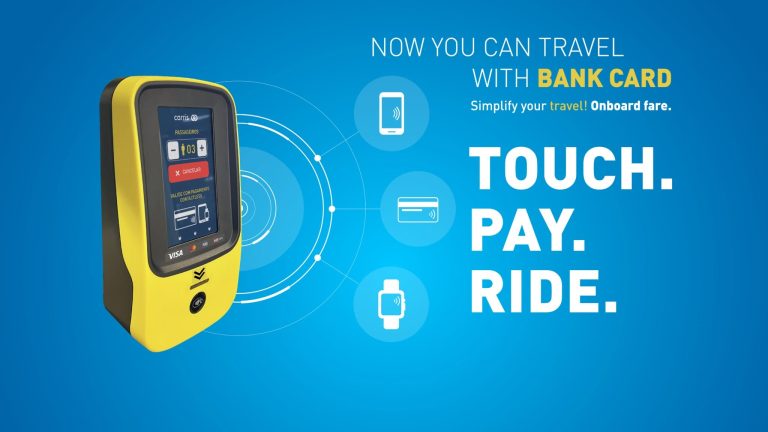
10/08/2026
Beesset co-develops fare payment system for Carris in Lisbon
In November 2025, a new MTT / Pay-as-You-Go fare payment system was launched in Lisbon, allowing Carris passengers to use contactless cards both as a means of payment and as a travel identifier. Beesset participated in the project as a subcontractor to APDU, responsible for developing the back-office portal – the Merchant Portal – supporting […]
More information